How Do Investors Calculate the Maximum Hard Money Loan for an East Los Angeles Property?
When an East Los Angeles investor finds a property with strong potential, one of the first questions is often: How much can I actually borrow?
The answer is not based on the purchase price alone. Hard money lenders typically look at several parts of the investment deal, including the property's current value, purchase price, renovation budget, After Repair Value (ARV), Loan to Value (LTV), Loan to Cost (LTC), and the investor's exit strategy.
For investors researching Hard Money Real Estate Services, understanding these numbers before submitting a loan request can make it easier to evaluate a property and avoid taking on more debt than the project can support.
GRO Los Angeles Hard Money Real Estate uses an asset based approach and considers property value, project details, and the planned exit when structuring financing. Its programs can include purchase financing, renovation funding, construction financing, bridge loans, and other investment property financing options.
What Determines the Maximum Hard Money Loan?
There is no single formula that works for every investment property.
A lender may calculate several potential loan limits and then use the amount that fits the program and the property.
The main numbers investors should understand are:
- Purchase price
- Current property value
- Renovation costs
- After Repair Value
- Loan to Value
- Loan to Cost
- Borrower experience
- Exit strategy
For example, an investor may find an East Los Angeles property listed for $500,000 and estimate $100,000 in improvements. That creates a total project cost of approximately $600,000.
However, the lender may also consider what the property is expected to be worth after the work is completed.
This is why investors should calculate the entire project before assuming a specific loan amount.
How LTV Affects Your Maximum Loan
Loan to Value, or LTV, compares the loan amount with the value of the property.
The basic formula is:
LTV = Loan Amount ÷ Property Value × 100
For example, if a property is worth $600,000 and the lender allows a 75% LTV, the maximum loan based on that calculation would be:
$600,000 × 75% = $450,000
The actual loan could be different because the lender may use the purchase price, current value, ARV, or another valuation method depending on the loan program.
GRO's website currently lists different leverage levels depending on the borrower tier and program. Its published information shows maximum LTV levels that can reach 90% for certain experienced borrowers.
That means investors should not assume that every property automatically qualifies for the highest available leverage.
Why ARV Matters for Fix and Flip Investors
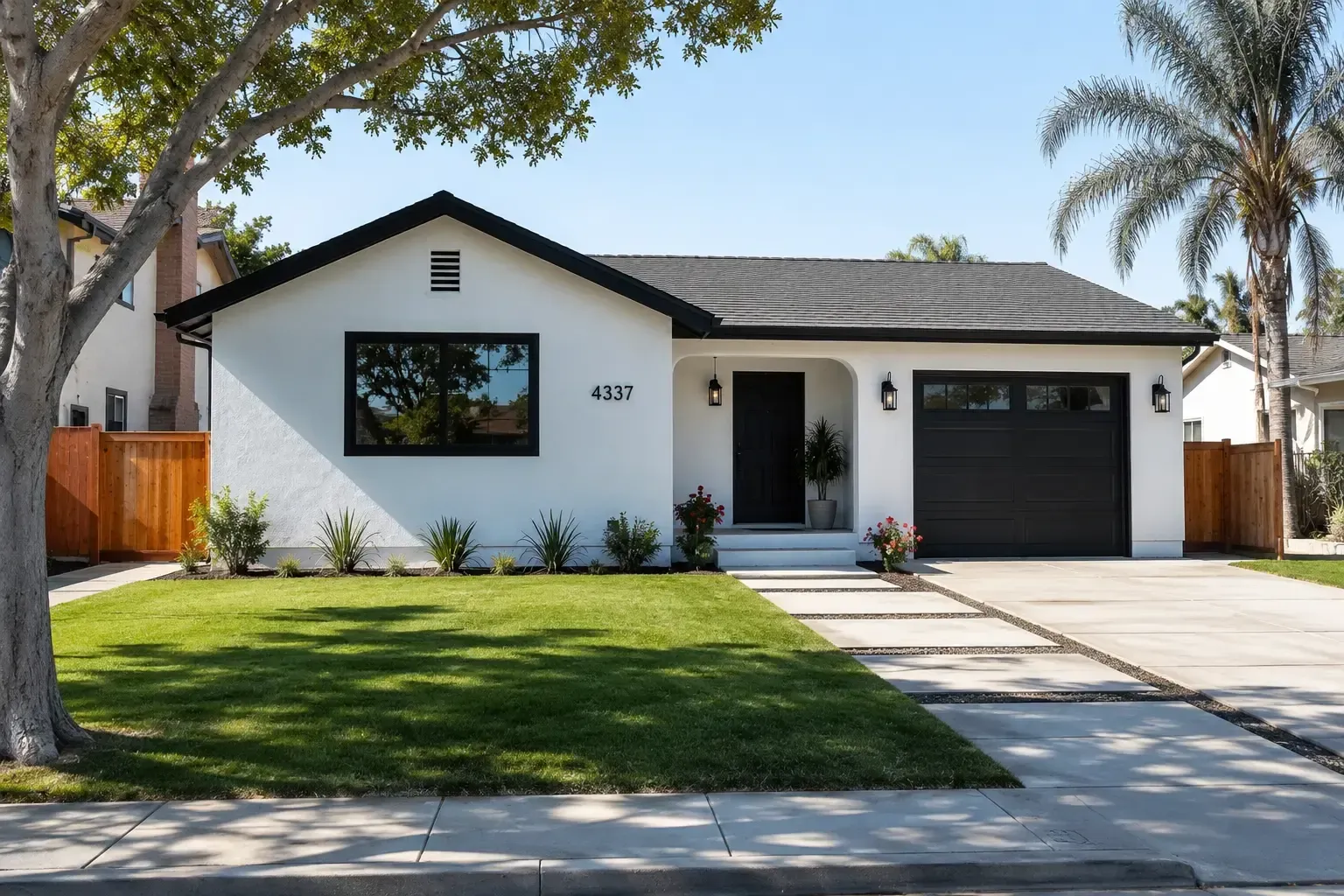
After Repair Value, commonly called ARV, is the estimated value of a property after planned improvements are completed.
ARV is especially important for investors purchasing properties that need substantial renovation.
| Project Item | Example Amount |
|---|---|
| Purchase Price | $500,000 |
| Renovation Budget | $100,000 |
| Total Project Cost | $600,000 |
| Estimated ARV | $800,000 |
| Example 75% ARV Limit | $600,000 |
In this example, 75% of the $800,000 ARV equals $600,000.
That does not automatically mean an investor will receive a $600,000 loan. The lender may apply additional limits based on purchase price, LTC, borrower experience, property condition, and other underwriting factors.
Still, ARV gives investors an important way to determine whether the financing structure makes sense.
How LTC Changes the Calculation
Loan to Cost, or LTC, looks at the total cost of the project rather than only the property's value.
The formula is:
LTC = Total Loan Amount ÷ Total Project Cost × 100
Suppose an East Los Angeles investor purchases a property for $500,000 and expects $100,000 in renovation expenses.
The total project cost is:
$500,000 + $100,000 = $600,000
If a lender allows a maximum LTC of 90%, the calculation would be:
$600,000 × 90% = $540,000
Again, this is only one possible lending limit.
GRO currently advertises programs that can reach up to 93% LTC, along with purchase and rehabilitation financing.
The actual amount available depends on the specific deal and applicable lending program.
Purchase Price Is Still Important
Even when ARV is strong, investors should not ignore the purchase price.
A property that appears attractive because of a high projected ARV may still create problems if the acquisition price and renovation budget consume too much of the property's potential value.
For example:
Purchase: $550,000
Repairs: $125,000
Total project cost: $675,000
Projected ARV: $800,000
The investor needs to determine whether the expected value provides enough room for financing costs, holding costs, selling expenses, and the desired profit.
This is where careful deal analysis becomes more important than simply finding the highest possible loan amount.
How Renovation Costs Affect the Loan
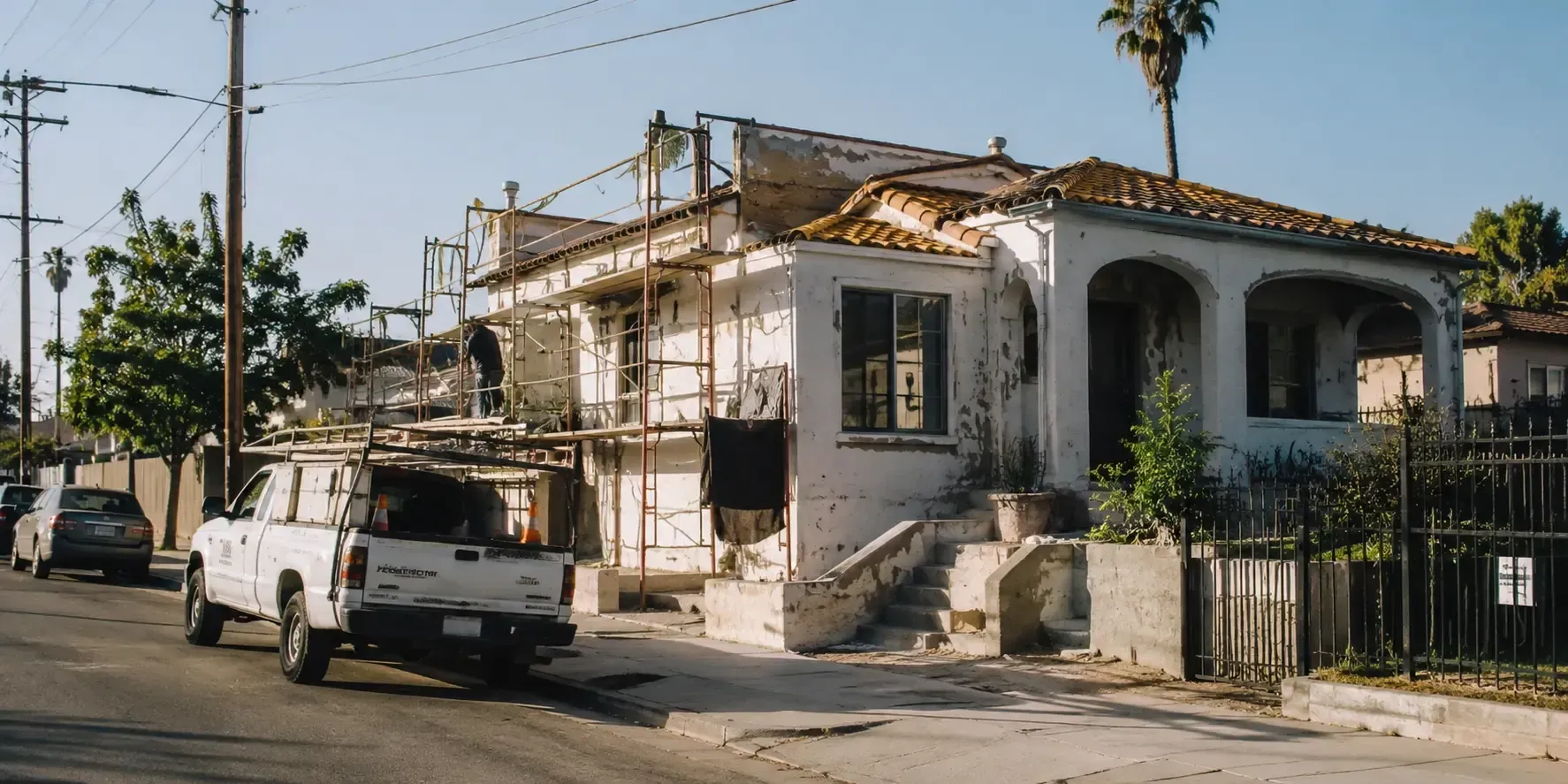
Rehabilitation costs can significantly change the financing calculation.
Investors should create a detailed scope of work before requesting financing.
The budget may include:
- Roofing
- Plumbing
- Electrical work
- Flooring
- Kitchen improvements
- Bathroom renovations
- Exterior repairs
- Windows and doors
- Painting
- Labor
- Materials
- Permits when required
A vague repair estimate can make it harder to determine the true project cost.
A detailed budget also helps investors understand how much cash they may need to contribute during the project.
GRO's current lending information includes rehab financing and draw structures for qualifying projects.
Does Investor Experience Affect the Maximum Loan?
It can.
Hard money programs may offer different terms based on an investor's experience and completed deals.
GRO currently describes borrower tiers based on completed transactions, ranging from Bronze for 1 to 2 deals through Platinum for investors with 10 or more completed deals. The published program information also shows different leverage and rate ranges across those tiers.
This means two investors could look at similar properties but receive different financing terms.
For investors building a portfolio, maintaining a strong track record can therefore become an important part of future financing.
Do Not Forget the Exit Strategy
A maximum loan calculation is incomplete without an exit strategy.
The lender needs to understand how the investor plans to repay the loan.
Common exit strategies include:
Selling the renovated property: A common approach for fix and flip investors.
Refinancing: An investor may refinance into longer-term financing after completing renovations.
Holding as a rental: The investor may use rental income and property performance to support long-term financing.
Selling another property: A bridge strategy may use proceeds from another transaction to repay the short-term loan.
A strong exit strategy helps demonstrate how the project can move from purchase to repayment.
What Should East Los Angeles Investors Calculate Before Applying?
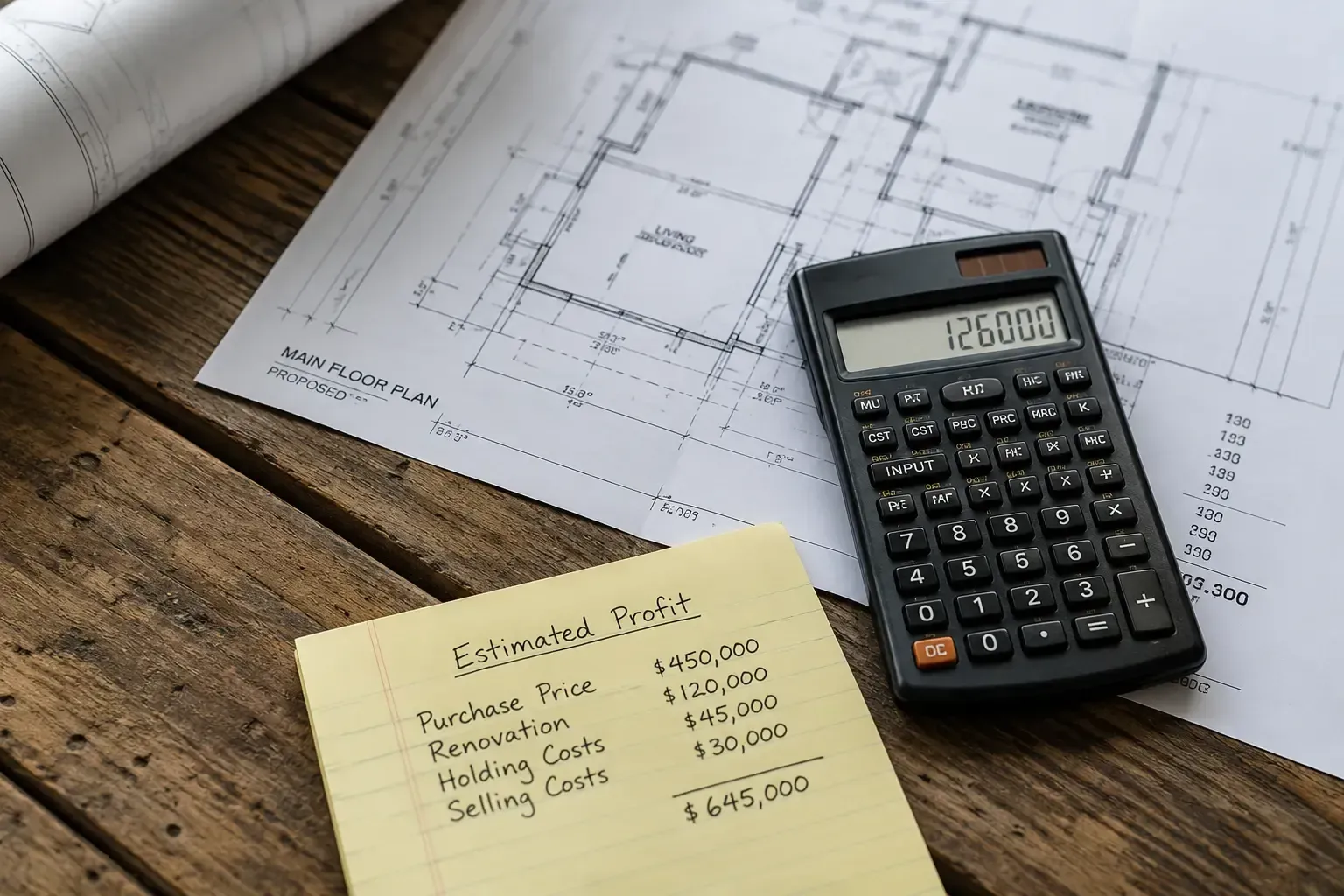
Before contacting a lender for Hard Money Real Estate Services, investors should prepare a basic deal worksheet.
At minimum, calculate:
- Purchase price
- Down payment
- Renovation budget
- Estimated ARV
- Expected loan amount
- LTV
- LTC
- Closing costs
- Holding costs
- Estimated selling costs
- Expected sale price
- Expected profit
- Exit strategy
This allows investors to see whether the deal works before spending time on a financing application.
A Simple Example
Imagine an investor finds an East Los Angeles property for $450,000.
The estimated renovation cost is $90,000, making the total project cost $540,000.
The investor believes the completed property could be worth $720,000.
A simplified analysis might look like this:
Calculation Amount Purchase Price: $450,000
Estimated Repairs: $90,000
Total Project Cost: $540,000
Estimated ARV: $720,000
75% of ARV: $540,000
90% of Project Cost: $486,000
In this example, the investor can see that different lending limits produce different results.
A lender may use the lower applicable limit or another underwriting calculation depending on the loan program.
The purpose of the exercise is not to guarantee a loan amount. It is to help the investor understand the financial structure before moving forward.
When Should You Talk With a Hard Money Lender?
It is better to contact a lender before making assumptions about financing.
An investor should have the purchase price, estimated repairs, property details, comparable sales, projected ARV, and exit strategy available when discussing the deal.
GRO Los Angeles emphasizes direct lending, flexible terms, property value, project timelines, and exit strategies when structuring investment financing.
Getting a deal reviewed early can help an investor determine whether the property's numbers fit the available financing structure.
Final Thoughts
Calculating the maximum hard money loan for an East Los Angeles property requires more than multiplying the purchase price by a percentage.
Investors should compare LTV, LTC, ARV, purchase price, renovation costs, borrower experience, and the exit strategy before deciding how much financing they need.
For anyone researching Hard Money Real Estate Services, the most useful approach is to understand the entire project rather than focus only on the maximum loan amount.
A property may qualify for substantial financing, but the best loan is one that supports the project's budget, timeline, and repayment plan without putting unnecessary pressure on the investor.
Frequently Asked Questions
How do hard money lenders calculate the maximum loan amount?
Lenders may consider the property's value, purchase price, ARV, renovation budget, LTV, LTC, borrower experience, and exit strategy. The applicable lending program determines which limits are used.
What is ARV in hard money lending?
ARV means After Repair Value. It is the estimated value of an investment property after planned renovations have been completed.
Can hard money finance both the property purchase and repairs?
Some hard money programs can finance both acquisition and eligible renovation costs. The amount and draw structure depend on the property, project, and lending program.