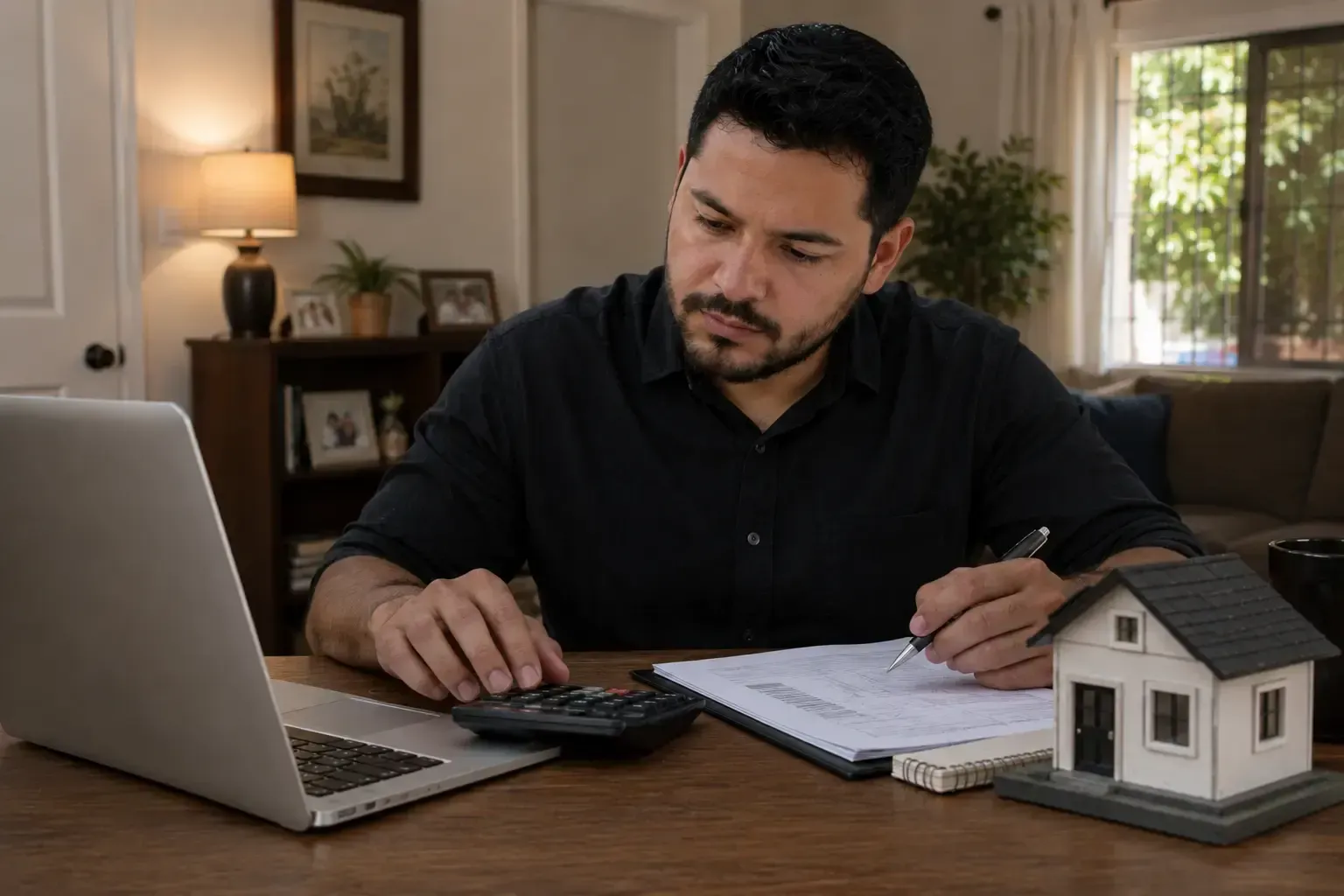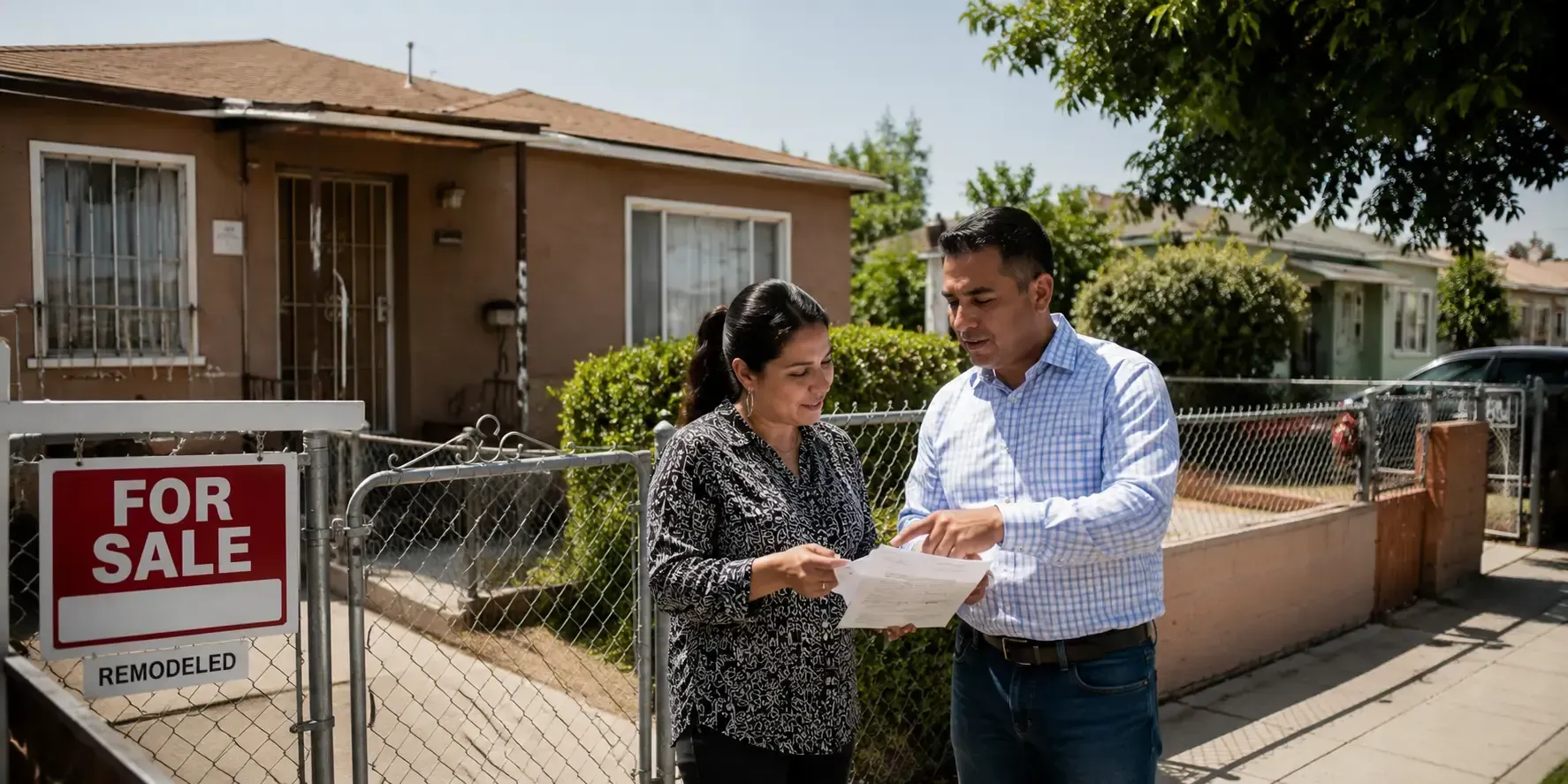
What Credit Score Do I Need for a Hard Money Loan in East Los Angeles, California?
Key Takeaways and Insights
Hard money loans prioritize the value of the property over your personal credit score. This asset-based approach allows real estate investors in East Los Angeles to secure rapid funding even with a lower FICO score. By focusing on the property's potential equity and your experience, private lenders provide the speed and flexibility needed to win deals in competitive markets.
* There is often no strict minimum credit score for private real estate funding.
* Lenders focus primarily on the Loan-to-Value (LTV) and After Repair Value (ARV).
* Partnering with local, experienced lending services offers a massive advantage in fast-moving markets.

Many real estate investors worry about personal credit when looking for property funding. Traditional banks rely heavily on your FICO score. They use it as a strict barrier to entry. If your score falls below a certain number, conventional lenders will simply decline your application.
Hard money lenders operate differently. Real estate investing requires speed and flexibility.
When you find a great fix-and-flip opportunity in East Los Angeles, you cannot wait months for bank approval. You need capital quickly. This fundamental difference in how loans work means credit scores take a back seat.
If you are wondering what credit score is necessary to secure private funding, the answer is often surprising. Asset value matters far more than your credit history.
The Truth About FICO Scores and Private Funding
Conventional mortgage lenders usually want a credit score of 680 or higher. Some require scores over 720 for investment properties. They also want a low debt-to-income ratio. They require years of tax returns and pay stubs.
Hard money lenders are asset-based lenders. This means the primary collateral for the loan is the real estate itself. Because the property secures the loan, your personal credit score is a secondary factor.
Many private lenders have no strict minimum credit score requirement at all. Others might prefer a score around 600 or 620. However, even if your score falls into the 500s, you can often still secure funding. A lower credit score will not automatically disqualify you. It might simply change your loan terms slightly. You might need to bring a larger down payment to the table. You might face a slightly higher interest rate. The deal can still move forward if the property numbers make sense.
How Asset-Based Lending Actually Works
When you apply for private financing, the lender focuses on the property value. They look closely at two main metrics. The first is the Loan-to-Value ratio (LTV). The second is the After Repair Value (ARV).
The LTV is the loan amount compared to the current value of the property. The ARV is the estimated value of the property after you complete all renovations.
If you find a distressed property in East Los Angeles for a great price, a private lender sees the potential. Let us say you buy a house for $400,000. It needs $50,000 in repairs. Once finished, comparable sales show the house will sell for $600,000. The lender bases their risk assessment on that $600,000 future value.
Because there is $150,000 of potential equity in the deal, the lender feels secure. If you default on the loan, the lender can take back the property and sell it without losing money. This built-in safety net is exactly why your personal credit score is less important. The property itself provides the security the lender needs.
Comparing Hard Money vs. Traditional Bank Loans
To understand why investors prefer private financing, it helps to see the differences clearly. The data below outlines how these two lending models compare.
| Loan Feature | Traditional Bank Loan | Hard Money Loan |
|---|---|---|
| Minimum Credit Score | Typically 680 to 720+ | Very flexible (Often no strict minimum) |
| Approval Speed | 30 to 45 days or more | 5 to 10 days |
| Primary Focus | Borrower income and credit history | Property value and potential equity |
| Condition of Property | Must be move-in ready | Distressed or needing major repairs |
| Loan Terms | 15 to 30 years | 6 to 24 months |
Why Experience Often Outweighs Your Credit Score
Your track record is another crucial factor that lenders consider. Private lenders want to partner with successful investors. If your credit score took a hit recently, but you have successfully flipped five houses in the past two years, you are still an excellent candidate for a loan.
Experience shows lenders that you understand the process. It proves you know how to manage contractors. It shows you can accurately estimate renovation costs. A strong portfolio of past projects builds deep trust with private lenders.
Even if you are a newer investor, you can bridge the gap. Partnering with a seasoned contractor or an experienced co-borrower can strengthen your application. Lenders want to see a clear, realistic plan for the property. A detailed scope of work and a solid exit strategy matter immensely.
Finding Reliable Hard Money Loan Services in East Los Angeles
Working with a local lender provides distinct advantages. Real estate is intensely local. Neighborhood trends change from one street to the next. National lenders simply do not understand the specific nuances of the Southern California market.
East Los Angeles offers incredible opportunities for investors. The area boasts high housing demand and dynamic neighborhood growth. A local lender understands zoning laws in the 90022 zip code. They know which property types perform best. They recognize realistic ARV estimates because they fund projects in the exact same neighborhoods every day.
When you seek professional hard money loan services, prioritize localized expertise. You want a lending partner who can visit the site. You need someone who can release repair draws quickly to keep your contractors working.
By choosing a lender based in your target market, you gain an advisory partner. They can warn you about overly optimistic appraisals. They can help you structure the loan to maximize your profit margin.
To see how local expertise can accelerate your next project, you can learn more about GRO Los Angeles Hard Money Real Estate. Working with a team situated right in your market makes the entire process smoother.
Strategies for Securing Your Next Property
Many investors use private financing to build long-term wealth. Flipping houses generates active income. Holding properties generates passive income. Sometimes, the best strategy is a mix of both.
The BRRRR method is very popular in California. This stands for Buy, Rehab, Rent, Refinance, Repeat. You use a short-term private loan to buy and fix a distressed property. Once the property is renovated, you place a tenant inside.
With the property stabilized and generating income, you can then refinance it into a long-term conventional loan. Because the property now has a higher value and consistent cash flow, traditional banks are much more willing to approve the refinance. You can pull your initial capital out and move on to the next deal.
For investors interested in holding assets for cash flow, you might want to explore specific rental property loans. These specialized products cater directly to landlords building rental portfolios.
Steps to Prepare Your Loan Application
Even without strict credit score rules, you still need to present a strong case to the lender. Preparation is vital. Here are the steps you should take before requesting funds.
First, gather all details about the property. You need the purchase contract and the exact address. Lenders will immediately run their own comparable sales analysis.
Second, create a detailed budget. Write down every repair the property needs. Include costs for labor and materials. A vague budget signals inexperience. A detailed budget shows you are a professional.
Third, clarify your exit strategy. How will you pay the lender back? Will you sell the property on the open market? Will you refinance it into a permanent rental loan? You must give the lender a clear path to repayment.
Finally, organize your entity documents. Most investors purchase real estate using a Limited Liability Company (LLC) or a corporation. Have your operating agreement and articles of incorporation ready. Private lenders prefer lending to business entities rather than individuals.
Moving Forward With Your Investment Goals
Real estate investing should not be blocked by an arbitrary number on a credit report. The private lending industry exists to fund good properties and sound business plans.
Do not let a low credit score stop you from pursuing profitable deals. Focus your energy on finding great properties. Work on building accurate repair estimates. Develop strong relationships with reliable contractors in your area.
When you bring a profitable deal to a private lender, they will work with you to make it happen. The focus will always remain squarely on the asset. If the property holds strong potential, the capital will follow.
If you are ready to evaluate a property or discuss funding options, you can easily reach out to our team. Discussing your scenario with a professional can provide the clarity you need to move forward.
Frequently Asked Questions
Do I need income verification for a hard money loan?
No, you typically do not need traditional income verification. Hard money lenders do not usually ask for W-2 forms or standard tax returns. The loan approval is based on the value of the real estate and the profitability of your project.
How fast can I close a deal with private financing?
Private lenders can close much faster than conventional banks. Depending on the complexity of the deal and the title work, closing generally takes between 5 and 10 days. This speed allows investors to compete with all-cash buyers.
Can I get a loan if I have a recent foreclosure or bankruptcy?
Yes, it is still possible. Because the loan is secured by the new property, lenders care less about past financial mistakes. You will need to explain the situation, and you may face stricter down payment requirements, but funding is still achievable.