Navigating Commercial Real Estate Loans in Los Angeles: Strategies for Investors
Key Insights and Takeaways
Navigating the complex Los Angeles commercial property market requires specialized financing that prioritizes speed and asset value over rigid institutional criteria. By leveraging alternative capital solutions like bridge and fix-and-flip loans, investors can confidently acquire and reposition lucrative assets. Partnering with a localized private lender ensures tailored underwriting that perfectly aligns with regional market dynamics and aggressive project timelines.
* Traditional banks often reject high-potential distressed properties due to stringent historical cash flow requirements, making private capital essential for value-add investors.
* Short-term funding solutions empower borrowers to close rapidly on competitive acquisitions and fund extensive renovations.
* Presenting a comprehensive loan package featuring detailed pro forma financials and construction budgets significantly accelerates the private lending approval process.
Acquiring commercial property in Southern California requires swift execution and reliable capital. The competitive nature of the local market leaves little room for delays caused by traditional banking bureaucracies. Investors need financing structures that align tightly with their timeline, acquisition strategy, and project scope. Working directly with Los Angeles Hard Money provides borrowers with immediate access to private capital designed specifically for complex property transactions. The right funding mechanisms empower local investors to acquire, renovate, and stabilize highly profitable assets efficiently.
Understanding Commercial Real Estate Requirements
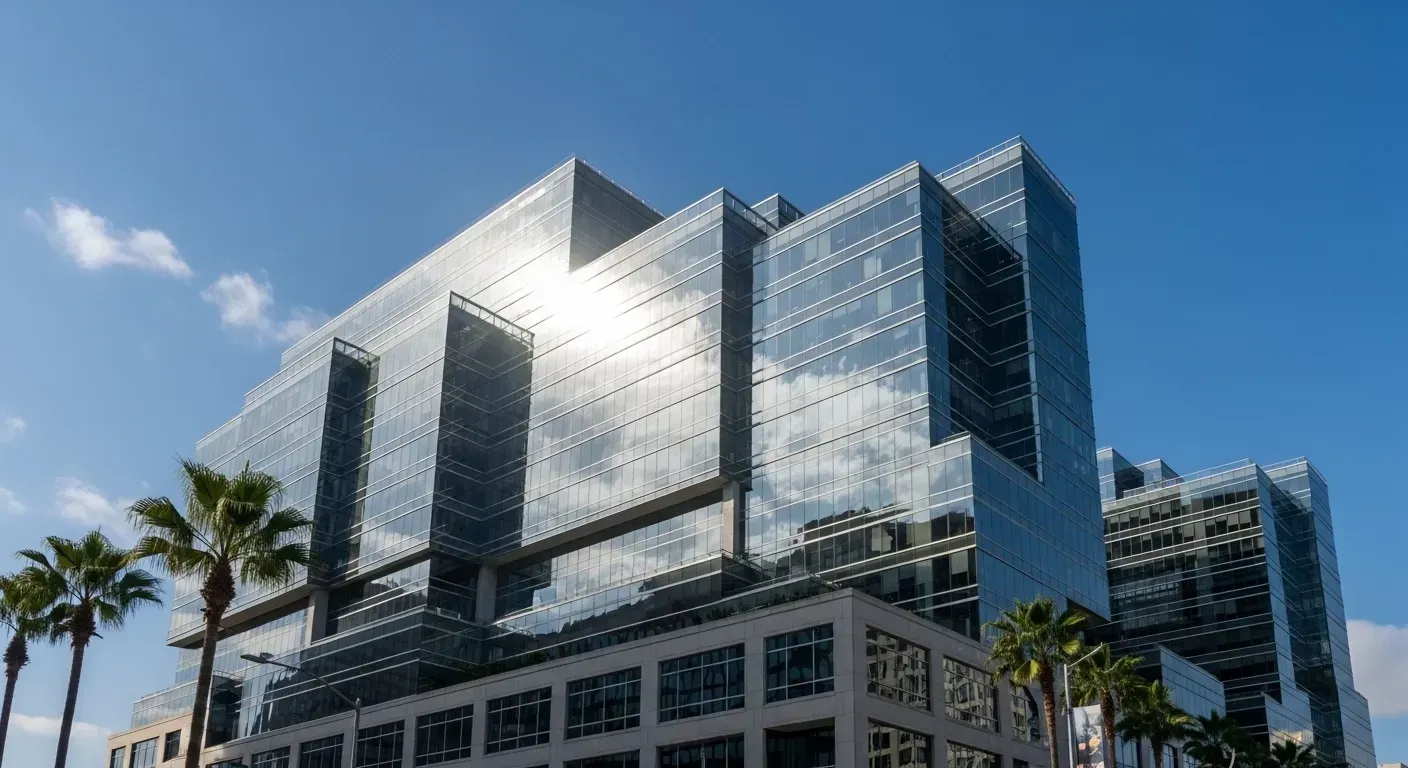
The Los Angeles landscape features distinct market variations, from the dense high-rises of Downtown to the sprawling industrial parks of the San Fernando Valley. Traditional institutional lenders heavily scrutinize historical cash flows and personal tax returns when evaluating these deals. This rigid underwriting model aggressively penalizes opportunistic investors who aim to acquire vacant, distressed, or underperforming buildings.
Private capital focuses instead on the intrinsic future value of the asset and the fundamental viability of the sponsor's business plan. To explore these specialized financing products, review our commercial real estate loans tailored precisely for local acquisitions. Private financing allows investors to bypass red tape and secure properties based on their underlying potential.
Alternative Financing Structures for Market Dominance
When targeting acquisitions that require significant repositioning, standard mortgages rarely apply. Local investors must utilize strategic, flexible capital to bridge the gap between initial purchase and final stabilization.
Leveraging Short-Term Acquisition Capital
Sometimes an investor locates a premium asset but lacks the 45 to 60 days required by an institutional bank for approval. Transitional funding solves this exact timing problem. By securing bridge loans, borrowers obtain the necessary capital to close the transaction rapidly. Once the property is securely in their portfolio and preliminary improvements are completed, the investor can seamlessly refinance into permanent long-term debt or sell the asset for a profit.
Rehabilitating Distressed Assets
The Greater Los Angeles area features countless aging commercial structures primed for adaptive reuse. Converting an outdated warehouse into creative office space requires a lending partner who inherently understands construction draw schedules and after-repair values. For projects requiring extensive physical renovations, fix and flip loans offer a distinct advantage. These specialized loans fund both the initial property acquisition and the subsequent heavy construction phases.

Navigating Specific Asset Classes in California
Los Angeles boasts a diverse and highly nuanced commercial landscape. Each distinct asset class dictates a unique approach to underwriting, risk assessment, and loan structuring.
Industrial and Logistics Properties
With the ports of Los Angeles and Long Beach handling massive volumes of international trade, industrial properties remain incredibly lucrative. Warehouses and local distribution centers require funding that accounts for highly specialized tenant improvements, such as heavy electrical power upgrades, reinforced concrete flooring, or advanced climate control systems.
Retail and Mixed-Use Developments
Consumer habits continue to shift dramatically, forcing retail centers to adapt to survive. Investors frequently purchase aging neighborhood strip malls to convert them into experiential retail hubs or mixed-use complexes featuring ground-floor storefronts with residential apartments above. Financing these hybrid properties requires a lender completely comfortable with varied revenue streams and complex municipal zoning regulations.
Multifamily Housing Complexes
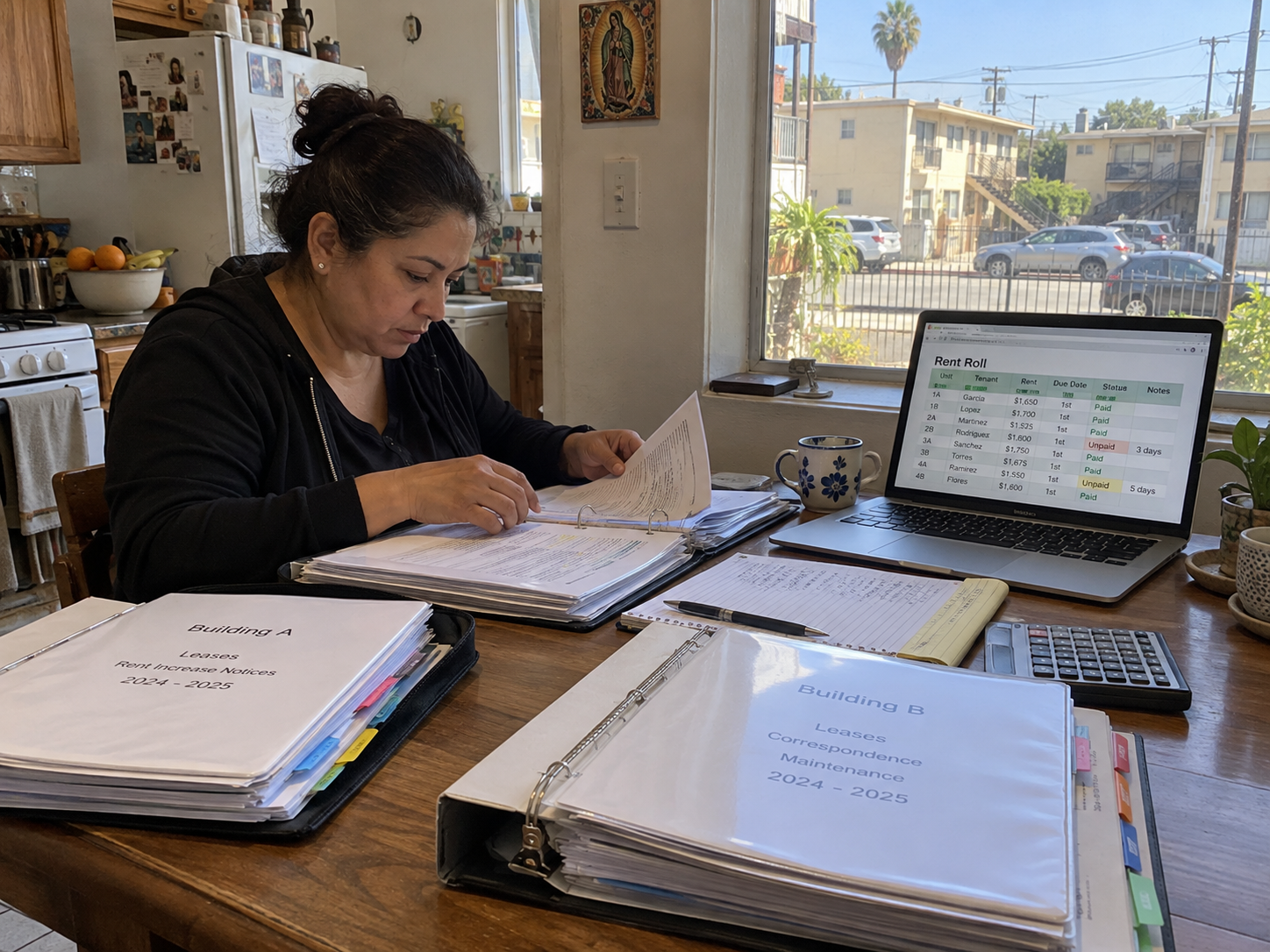
While occasionally grouped with residential properties, apartment buildings containing five or more units fall firmly into the commercial lending category. The chronic housing shortage throughout Los Angeles drives persistent demand for multifamily assets. Value-add investors rely heavily on specialized financing to acquire buildings with deferred maintenance, modernize the units, and bring the rent roll up to current market rates.
The Strategic Advantage of Local Private Capital
National banks operate on rigid algorithms and centralized credit committees located thousands of miles away from Southern California. They often fail to grasp the deeply nuanced neighborhood dynamics of Los Angeles. A commercial property located in Silver Lake presents an entirely different risk profile than a comparable building located in Torrance.
Learn more about how our localized underwriting perspective allows us to successfully fund deals that institutional lenders routinely decline. We evaluate every property based on granular local market fundamentals, upcoming zoning updates, and realistic exit strategies. This localized approach mirrors the core tactics discussed in our recent analysis of strategic approaches to securing rental property loans in Los Angeles. Ultimate success hinges entirely on matching the specific property type with the most appropriate lending vehicle.
Essential Components of a Funding Proposal
While private money lenders prioritize the physical collateral over personal credit scores, borrowers must still present a coherent and highly professional loan package. Preparing the correct documentation accelerates the entire underwriting process and ensures a remarkably smooth closing.
- Executive Summary: Provide a concise, targeted overview of the property, the exact requested loan amount, and the overarching business plan.
- Pro Forma Financials: Detail the projected monthly income and carrying expenses expected post-renovation.
- Construction Budget: Include highly detailed line items for all planned physical improvements, supported directly by written contractor bids.
- Sponsor Track Record: Lenders want to see concrete evidence of past success. A portfolio detailing previously completed projects builds immense credibility and can often result in highly favorable loan terms.
- Entity Documentation: Commercial transactions are rarely conducted under an individual's personal name. Prepare all articles of incorporation, operating agreements, and certificates of good standing for your holding company.
Securing Your Next Los Angeles Investment
Market conditions constantly fluctuate, but the underlying demand for well-located, modernized commercial space in Los Angeles remains incredibly robust. Capitalizing on these lucrative opportunities requires a dedicated lending partner who operates with total transparency, aggressive speed, and deep regional expertise.
Whether you are acquiring a multi-tenant retail plaza or repositioning an aging industrial facility, structuring the financing correctly is the most critical step in your entire project timeline. Reach out to our dedicated underwriting team today to discuss your highly specific scenario and initiate the funding process immediately. Contact us directly to expertly evaluate your next major commercial transaction.

Frequently Asked Questions
How do commercial real estate loans differ from residential mortgages?
Commercial loans are evaluated primarily on the direct income-producing potential of the property itself rather than the personal wage income of the borrower. They typically feature significantly shorter amortization schedules, different interest rate structures, and stricter prepayment parameters than standard residential home loans.
What credit requirements exist for private commercial funding?
Private lenders focus heavily on the core quality of the real estate collateral and the borrower's actual equity position in the deal. While credit history is reviewed to check for recent major bankruptcies or foreclosures, a low FICO score is rarely an automatic disqualifier if the underlying asset demonstrates strong cash flow potential and an adequate loan-to-value ratio.
How quickly can a commercial hard money loan close?
Because private lenders utilize specialized, asset-based underwriting processes, transactions can be funded in a fraction of the time required by traditional institutional banks. Most commercial hard money loans can be fully approved and completely funded within 10 to 14 days, assuming the borrower provides all necessary financial documentation and a clean preliminary title report is readily available.