How to Qualify for a Hard Money Loan in a Competitive Market
Navigating the competitive Southern California real estate market requires fast, reliable capital that traditional banks simply cannot provide. By understanding the asset-based underwriting criteria of private lenders, both experienced developers and new investors can secure funding in a matter of days. Structuring a professional deal presentation and leveraging specialized financing allows investors to confidently scale their property portfolios.
* Private loans prioritize property equity and project profitability over personal income and credit history.
* Securing financing requires a substantial down payment, a detailed construction budget, and a clear exit strategy.
* Asset-based lending enables investors to bypass strict banking limits and rapidly acquire distressed properties in highly competitive markets.
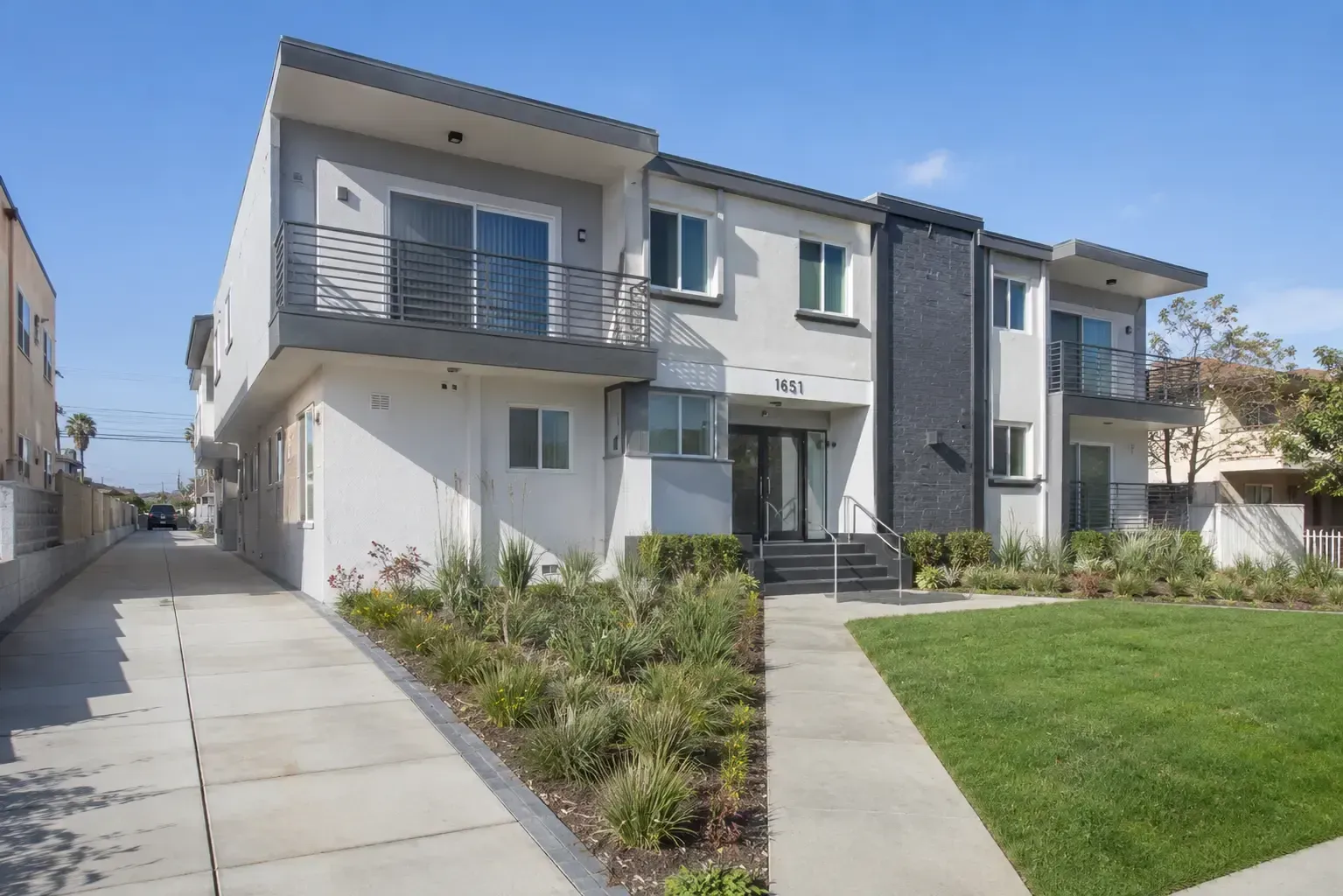
The real estate landscape across Southern California operates at a breakneck pace. From residential rehabilitation projects in Long Beach to multi-family developments in Pasadena, investors face fierce competition for high-yield properties. When an undervalued asset hits the market, the timeline to secure funding dictates who wins the deal. Traditional banking institutions require weeks of underwriting, extensive income verification, and exhaustive credit checks. This rigid structure often disqualifies profitable deals before they even reach the closing table. Real estate professionals need alternative financing mechanisms that prioritize property equity and project viability over standard corporate lending metrics.
Operating out of East Los Angeles, California, GRO Los Angeles Hard Money provides specialized capital solutions tailored for seasoned developers and ambitious new investors. Our financing structures empower borrowers to bypass conventional delays. Whether you are an experienced landlord expanding a rental portfolio or an entrepreneur undertaking a first property flip, understanding the mechanics of private capital gives you a distinct advantage in a crowded marketplace.
Navigating Hard Money Loan Services in Los Angeles
To thrive in areas like Glendale, Santa Clarita, and the greater Los Angeles County region, real estate investors must understand how private lending evaluates risk. Unlike conventional banks that scrutinize individual income and complex debt ratios, private lenders focus strictly on the underlying asset. This approach provides a strategic advantage for self-employed contractors, full-time real estate developers, and individuals who write off significant business expenses.
When you leverage professional hard money loan services, the approval process shifts from a focus on personal financial history to the profitability of the specific real estate transaction. The lender evaluates the current value of the property, the projected cost of renovations, and the conservative future value. By structuring loans around these asset-based metrics, lenders issue funds in a matter of days. Rapid deployment of capital is critical when bidding against cash buyers in tight markets.
Core Qualifications for Private Real Estate Financing
While private lenders offer remarkable flexibility, they operate with highly specific underwriting standards. Qualifying for a loan requires preparation and a clear understanding of what private capital firms look for in a viable real estate deal.
- Substantial Equity or Down Payment: Because the property serves as the primary collateral, lenders require the borrower to hold a financial stake in the project. For an acquisition, this typically translates to a down payment ranging from fifteen to twenty-five percent. If you already own the property, the lender will calculate the existing equity to determine the maximum allowable loan amount.
- A Clear and Viable Exit Strategy: Lenders need to know exactly how you plan to repay the short-term loan. Your exit strategy must be realistic and carefully documented. Common exit strategies include selling the renovated property on the retail market, securing a long-term conventional mortgage once the property stabilizes, or utilizing specialized financing based on the new rental income.
- Comprehensive Project Scope: If the loan involves construction or renovation funds, borrowers must present a detailed scope of work. This includes line-item budgets for materials, labor estimates from licensed contractors, and a realistic timeline for project completion. Lenders verify these numbers against local market averages to ensure the budget is sufficient to reach the projected final value.
Comparing Conventional Financing and Private Capital
To fully grasp the strategic advantage of private funding, investors must compare the structural differences between traditional and private underwriting processes. The data provided below outlines the primary distinctions across key lending criteria.
| Feature Evaluated | Conventional Bank Loane | Private Real Estate Financing | Ideal Borrower Profile |
|---|---|---|---|
| Primary Underwriting Focus | Personal credit score and W-2 income | Asset equity and project profitability | Real estate investors and developers |
| Typical Approval Timeline | Thirty to sixty days | Five to fourteen days | Buyers needing immediate deal funding |
| Property Condition Limits | Requires move-in ready or minor repairs | Funds distressed properties and major construction | Fix-and-flip entrepreneurs |
| Portfolio Loan Limits | Strictly capped by federal banking guidelines | Unlimited based on individual asset viability | Landlords scaling multiple properties |
| Self-Employed Underwriting | Highly complex with extensive tax audits | Streamlined process focusing on the business entity | Independent contractors and business owners |
The Role of Alternative Financing in Portfolio Growth
Securing the initial property represents just one phase of the investment lifecycle. Once a property is fully renovated and tenant-ready, investors need a long-term financial solution. Debt Service Coverage Ratio financing offers a seamless transition from short-term bridge capital.
Instead of analyzing personal income, this specific loan evaluates the gross rental income of the property against the total monthly debt obligation. If the monthly rent covers the mortgage payment, property taxes, and insurance, the property essentially qualifies itself. This product is highly popular for investors holding multi-family units in Long Beach or single-family rentals in Pasadena. It allows property owners to cash out their initial equity, repay their short-term renovation debt, and retain the asset for long-term cash flow. By utilizing these specialized loan products, landlords continually recycle their capital into new acquisitions.
Overcoming Limited Credit History for New Entrepreneurs
The real estate sector constantly attracts a younger demographic of entrepreneurs eager to break into the residential or commercial market. Investors between the ages of twenty-five and thirty-five often face a frustrating paradox. They have the drive, the local market knowledge, and the down payment capital, but they lack the extensive credit history required by standard banking institutions.
Specialized financing solutions resolve this issue entirely. Because private lenders prioritize the asset over the borrower, a limited personal credit history is rarely an obstacle. If a new investor locates a deeply discounted property in East Los Angeles, secures a reliable contracting team, and presents a highly profitable post-renovation value, they can secure funding. The lender mitigates risk through the property equity. This system allows newer entrepreneurs to build a track record of successful transactions. Over time, these completed projects build personal wealth and establish a strong reputation within the private lending community.
Structuring a Winning Deal Presentation
Securing private financing in a competitive market requires absolute professionalism. Lenders review dozens of applications weekly. To guarantee swift approval, your deal presentation must be immaculate and highly detailed.
Start with a comprehensive property analysis. Include high-quality photos of the current property condition. Provide a detailed comparative market analysis showing at least three recent sales of similar, fully renovated homes in the immediate half-mile radius. This substantiates your projected value after repairs are complete.
Next, organize your construction budget. Lenders appreciate line-item breakdowns that separate plumbing, electrical, roofing, and cosmetic upgrades. Ensure you include a contingency fund of ten to fifteen percent to cover unexpected structural issues. Finally, present your corporate entity documents cleanly. Having your company paperwork, operating agreements, and dedicated business bank accounts ready demonstrates that you treat real estate as a legitimate corporate enterprise.
Executing Your Next Real Estate Transaction in Los Angeles
Speed, preparation, and the right financial partners dictate success in Southern California real estate. Whether you are targeting a massive commercial space or a local residential flip, having immediate access to capital removes the friction from the purchasing process. GRO Los Angeles Hard Money provides the expertise and funding necessary to close deals efficiently.
Our team at our East Los Angeles headquarters understands the unique nuances of the local market. We evaluate properties quickly and deploy capital without the bureaucratic delays of standard banking. If you have a viable deal under contract or are actively bidding on properties, you need a lender ready to move at your pace. Take the next step in securing your funding by reaching out to our underwriting team. You can discuss your specific project requirements and submit your deal details by visiting our Contact Us Page. Our specialists are available to review your exit strategy and outline the best loan product for your exact needs
Frequently Asked Questions
What property types qualify for private financing in Los Angeles?
Private financing covers a vast array of investment properties. This includes single-family residential fix-and-flips, multi-family apartment buildings, mixed-use commercial spaces, and ground-up construction projects. The primary requirement is that the property must be strictly used for business and investment purposes, not as a primary owner-occupied residence.
How quickly can a loan be funded after initial approval?
Because the underwriting process focuses on the physical asset rather than deep personal financial audits, funding occurs rapidly. Once the property appraisal is complete and title work is cleared, deals typically close and fund within five to ten business days. This speed is a critical advantage when competing against all-cash buyers in competitive regions.
Do I need a perfect credit score to secure a private real estate loan?
No. While lenders review credit reports to check for severe derogatory marks like recent bankruptcies or active foreclosures, a low credit score is not an automatic disqualifier. The final decision relies heavily on the quality of the real estate deal, the margin of available equity, and a realistic strategy for project completion and loan repayment.