Why Real Estate Developers in Los Angeles Are Turning to Hard Money Financing
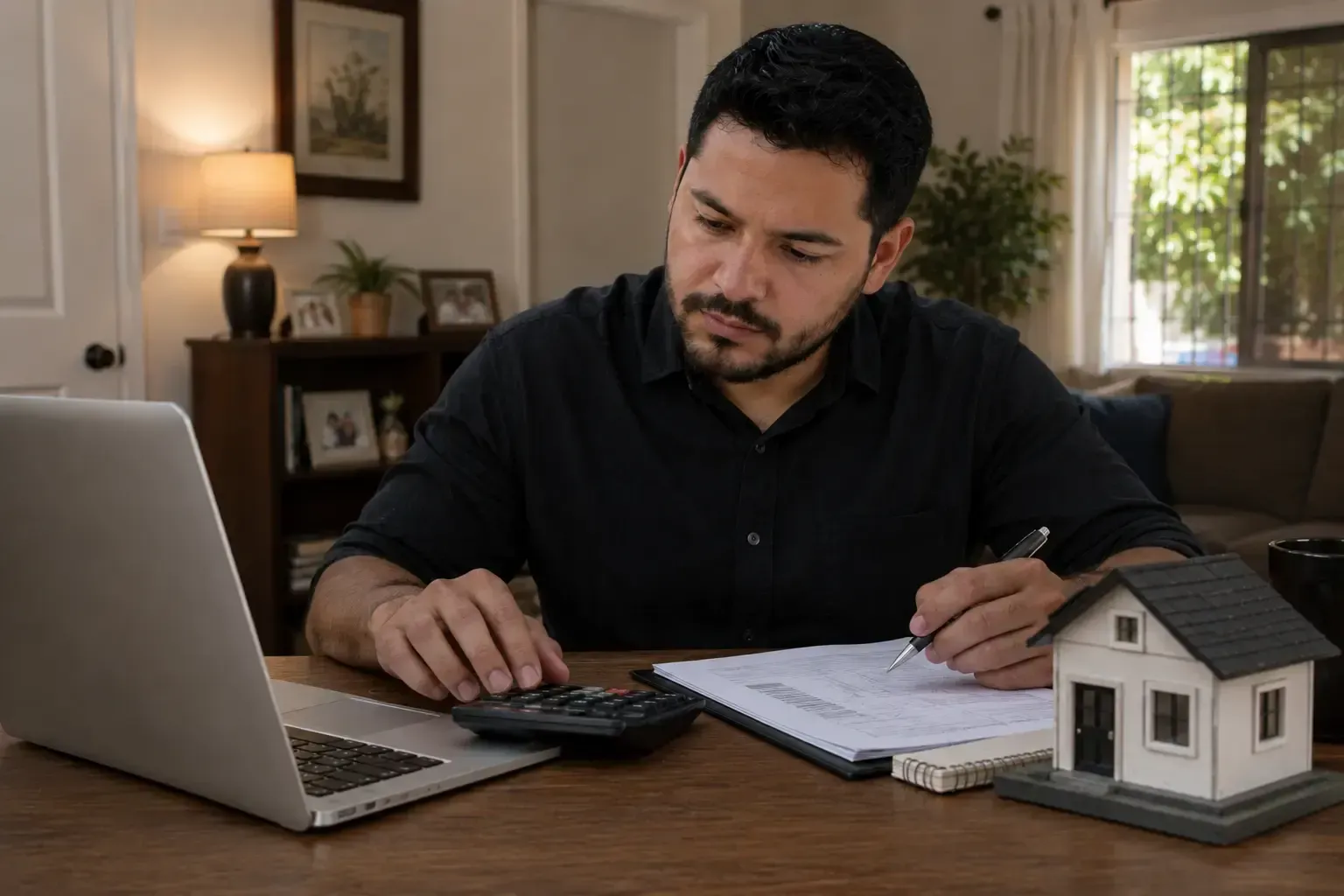
Securing capital remains the most critical hurdle for real estate developers operating in Los Angeles. The Southern California property market presents unique challenges driven by high acquisition costs, aggressive competition, and strict local zoning regulations. Experienced property flippers and commercial builders know that waiting on conventional bank approvals often results in lost opportunities. As a result, seasoned investors are completely restructuring how they approach project funding.
Professionals aged 30 to 60 who already possess investment capital and business experience are shifting away from traditional financial institutions. Instead of relying on slow, paper-heavy bank loans, these business-oriented borrowers are leveraging alternative financing to scale their portfolios quickly. This shift highlights a broader trend in the industry where speed, flexibility, and asset value take precedence over personal credit scores and lengthy underwriting processes.

The Shifting Landscape of Los Angeles Real Estate
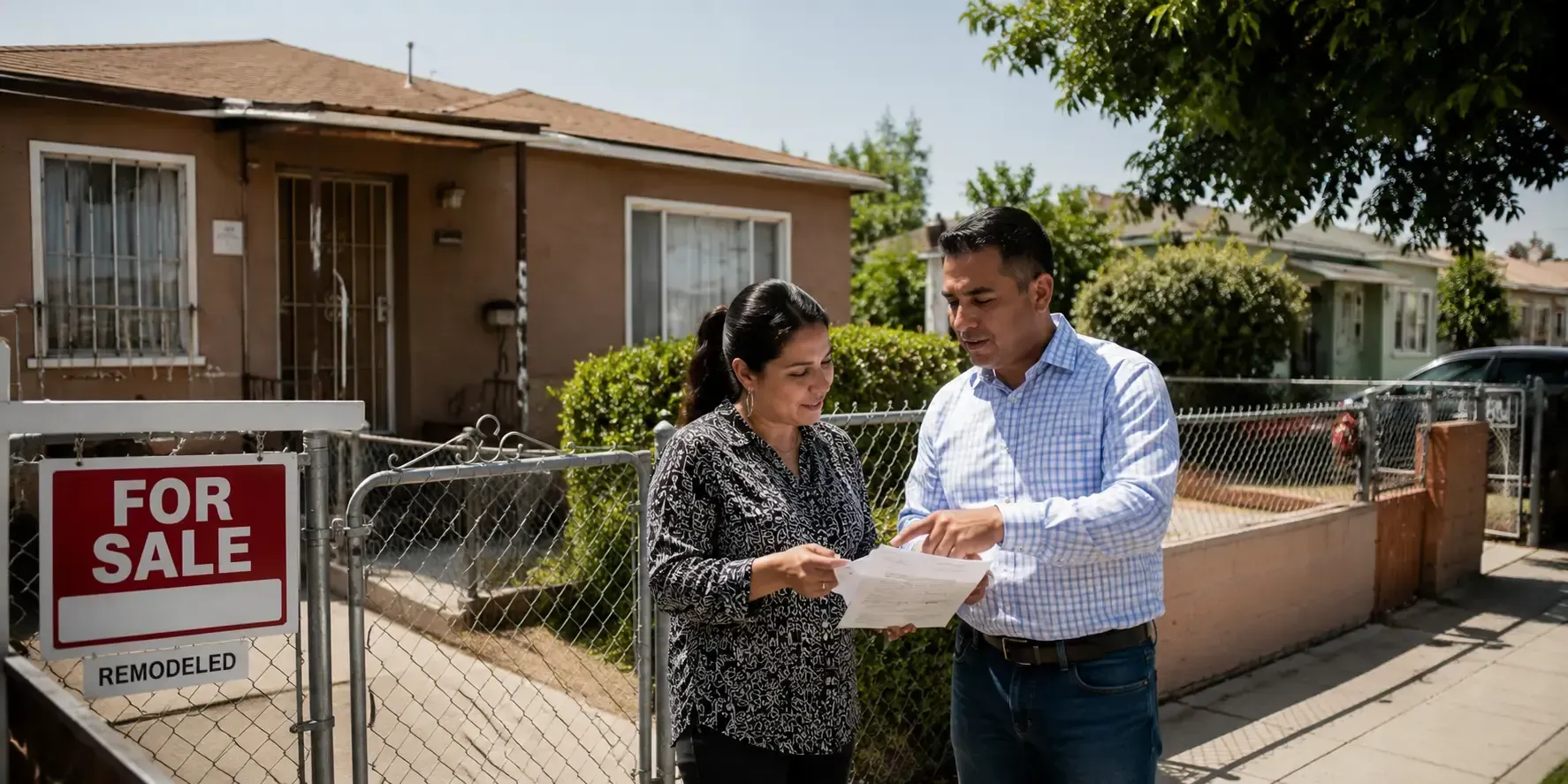
Los Angeles is a market defined by its scarcity of available land and a high demand for modernized housing. Developers are constantly seeking ways to maximize the potential of existing parcels through extensive renovations, ground-up developments, or the addition of accessory dwelling units. When a prime piece of real estate hits the market, multiple offers are generated within hours. Cash buyers and well-capitalized firms easily outbid those relying on conventional mortgages.
For self-employed entrepreneurs and experienced landlords, traditional lending models are fundamentally flawed. Conventional banks focus intensely on debt-to-income ratios, personal tax returns, and historical earnings. This rigid framework severely limits the purchasing power of active developers who reinvest their profits back into their businesses. Furthermore, traditional lenders are notably risk-averse when it comes to distressed properties or construction projects that require significant rehabilitation.
Maximizing Leverage with Hard Money Real Estate Services
To navigate this highly competitive environment, professionals are actively utilizing Hard Money Real Estate Services. Hard money lending operates on an entirely different set of principles compared to institutional banking. The primary focus of a hard money loan is the underlying asset. Lenders evaluate the current value of the property and its projected after-repair value rather than dissecting the borrower's personal financial history.
This asset-based lending approach aligns perfectly with the needs of investors seeking high loan limits and fast closings. Real estate developers value property performance over paperwork. By securing funds based on the viability of the project itself, developers can acquire distressed assets, fund extensive renovations, and bring the property to market faster than traditional banking timelines would ever allow.
Overcoming Traditional Financing Delays
Time is the most expensive variable in real estate development. A conventional commercial or residential mortgage can take anywhere from 45 to 60 days to close. During this waiting period, a developer is exposed to market fluctuations, holding costs on other properties, and the very real threat of a seller backing out.
Alternative financing models eliminate this friction. Private lenders specialize in expedited underwriting. Because the loan is secured by the real estate itself, the approval process is streamlined. Developers can often secure funding within a matter of days. This capability empowers investors to make cash-equivalent offers, negotiate better purchase prices, and immediately begin pulling permits from the Los Angeles Department of Building and Safety.
Core Strategies Fueled by Alternative Financing
Different investment strategies require specialized capital structures. Whether a developer is rehabilitating a single-family home in the San Fernando Valley or erecting a multi-family complex in Downtown Los Angeles, tailored loan products are essential.
Revitalizing Distressed Assets
The backbone of the local investment market relies on identifying undervalued properties. Developers frequently utilize fix and flip loans to acquire aging homes, gut them, and install modern amenities. These short-term loans provide the necessary capital for both the purchase and the renovation costs. Because conventional lenders rarely finance homes with structural defects or missing functional components, private capital is the only reliable way to fund these highly profitable transformations. Experienced flippers depend on this liquidity to manage multiple projects simultaneously without tying up their personal cash reserves.
Developing Ground-Up Projects
With available housing inventory at historic lows, the city requires massive infill development. Building new structures demands a sophisticated funding approach. Investors turn to construction loans to manage the entire lifecycle of a ground-up project. These loans are typically disbursed in structured draws based on completed project milestones. As the developer pours the foundation, frames the structure, and completes the roofing, the lender releases funds. This keeps the project moving forward without requiring the developer to front all the construction costs upfront.
Navigating Transitional Phases
There are frequent instances where an investor needs immediate capital to secure a property while waiting for long-term financing to clear. This is where bridge loans become a critical tool. Bridge financing serves as a temporary financial solution that covers the gap between acquisition and permanent stabilization. Commercial property owners and portfolio refinancers frequently use this strategy to acquire an underperforming asset, improve its tenant roll, and then refinance into a conventional, lower-interest commercial loan once the property is generating stable income.
Comparing Financial Avenues
Understanding the mechanical differences between funding sources is crucial for managing project timelines and maximizing return on investment. The following data outlines the stark contrasts between institutional lending and private real estate financing.
| Feature | Traditional Bank Loans | Hard Money Real Estate Loans | Ideal Borrower Profile |
|---|---|---|---|
| Approval Timeline | 45 to 60 days | 5 to 10 days | Investors requiring immediate capital |
| Primary Collateral | Borrower's credit and income | The property and its projected value | Asset-rich, self-employed developers |
| Term Length | 15 to 30 years | 6 to 24 months | Short-term flippers and builders |
| Property Condition | Must be turnkey and habitable | Can be severely distressed | Value-add developers and renovators |
Building a Profitable Portfolio with GRO Los Angeles Hard Money Real Estate
Finding the right capital partner is just as important as finding the right property. Active investors need lenders who understand the nuances of the local market and the operational realities of real estate development. GRO Los Angeles Hard Money Real Estate provides an investor-focused approach designed to facilitate rapid growth.
By prioritizing fast closings and high loan limits, GRO Los Angeles Hard Money Real Estate supports everyone from seasoned commercial buyers to ambitious entrepreneurial developers. Their tiered borrower system accommodates different levels of experience. Newer investors in their late twenties utilizing the BRRRR strategy can access vital capital, while established landlords in their sixties can seamlessly execute complex cash-out refinancing maneuvers.
The primary advantage of partnering with a specialized local lender is the elimination of bureaucratic red tape. When you work with a team that values the merit of the deal over arbitrary credit metrics, you gain a significant competitive edge in one of the tightest real estate markets in the country. Success in Los Angeles real estate requires aggressive action, strategic planning, and unhindered access to reliable capital.
Frequently Asked Questions
What is the typical closing timeline for a hard money loan in Los Angeles?
While traditional bank loans can take up to two months, private real estate loans are designed for speed. Depending on the complexity of the deal and the readiness of the title work, funding can typically be secured within five to ten business days. This rapid turnaround allows developers to confidently place highly competitive offers on coveted properties.
Do alternative real estate lenders require a perfect credit score?
No. While your financial history is reviewed, it is not the primary deciding factor. These are asset-based loans. The lender focuses heavily on the current value of the property, the scope of work, and the after-repair value. If the real estate deal is highly profitable and structurally sound, it can often secure funding regardless of minor blemishes on a personal credit report.
Can I use short-term private financing for large commercial properties?
Yes. Short-term alternative financing is frequently used for commercial real estate lending. Investors use these funds to purchase abandoned retail spaces, underperforming multi-family complexes, or mixed-use buildings. Once the property is renovated and fully leased, the investor will typically refinance the short-term debt into a long-term traditional commercial mortgage.
Can hard money loans help investors compete in the Los Angeles market?
Yes. Fast closings and flexible underwriting allow investors to submit competitive offers in fast-moving Los Angeles real estate markets where traditional financing may take too long.