East LA Real Estate Investors: Securing Properties Fast With Bridge Loans

John Constantine • March 18, 2026

East Los Angeles doesn't wait for slow banks. You spot a distressed multi-family property near City Terrace. The numbers make sense. The After Repair Value is solid. But traditional lenders want 45 days to close. That is a deal-killer. In the hyper-competitive local real estate market, speed isn't just an advantage. It is the entire game.


Drive down Whittier Boulevard or through the winding streets of El Sereno. You will see it firsthand. Real estate investors are aggressively competing for limited inventory. According to recent data from the California Association of Realtors, Southern California housing inventory remains historically tight. When a good deal pops up, cash buyers and experienced flippers pounce. If your capital is tied up in another project, you miss out. Period.

The Bridge Loan Solution for East LA Real Estate

What exactly is a bridge loan? It is short-term financing designed to close the gap between an immediate property purchase and a long-term financial solution. You buy the property now. You fix it. You refinance or sell it later. It is that simple.

Big banks hate risk. They hate properties that need a new roof or foundational work. They demand endless paperwork, tax returns, and appraisals that take weeks to schedule. Bridge loans bypass this bureaucracy entirely. Hard money lenders look at the asset's value, not just your personal tax returns. This asset-based lending approach means you can close in days.

Why GRO Los Angeles Hard Money Real Estate Dominates

Not all lenders understand the East LA market. GRO Los Angeles Hard Money Real Estate does. As the premier local lender, GRO knows exactly why a duplex in Lincoln Heights holds massive potential compared to a generic condo elsewhere. They provide the capital you need, exactly when you need it. No excuses. Just funds.

Imagine finding a fourplex in Boyle Heights. The seller needs to liquidate an inherited property fast. They will take a massive discount for a 10-day close. A conventional mortgage cannot accommodate that timeline. You call GRO Los Angeles Hard Money Real Estate. They evaluate the deal, issue a term sheet, and fund the bridge loan. You secure the asset. Once stabilized and renovated, you refinance into a conventional 30-year loan, pulling your initial cash back out. The bridge loan did its job. You won the deal.

Mitigating Real Estate Risk with Short-Term Debt

Debt scares amateurs. Professionals use it as a tool. Bridge loans carry higher interest rates than conventional mortgages. That is a fact. But they are short-term instruments. You aren't holding this note for thirty years. You are holding it for six to twelve months.

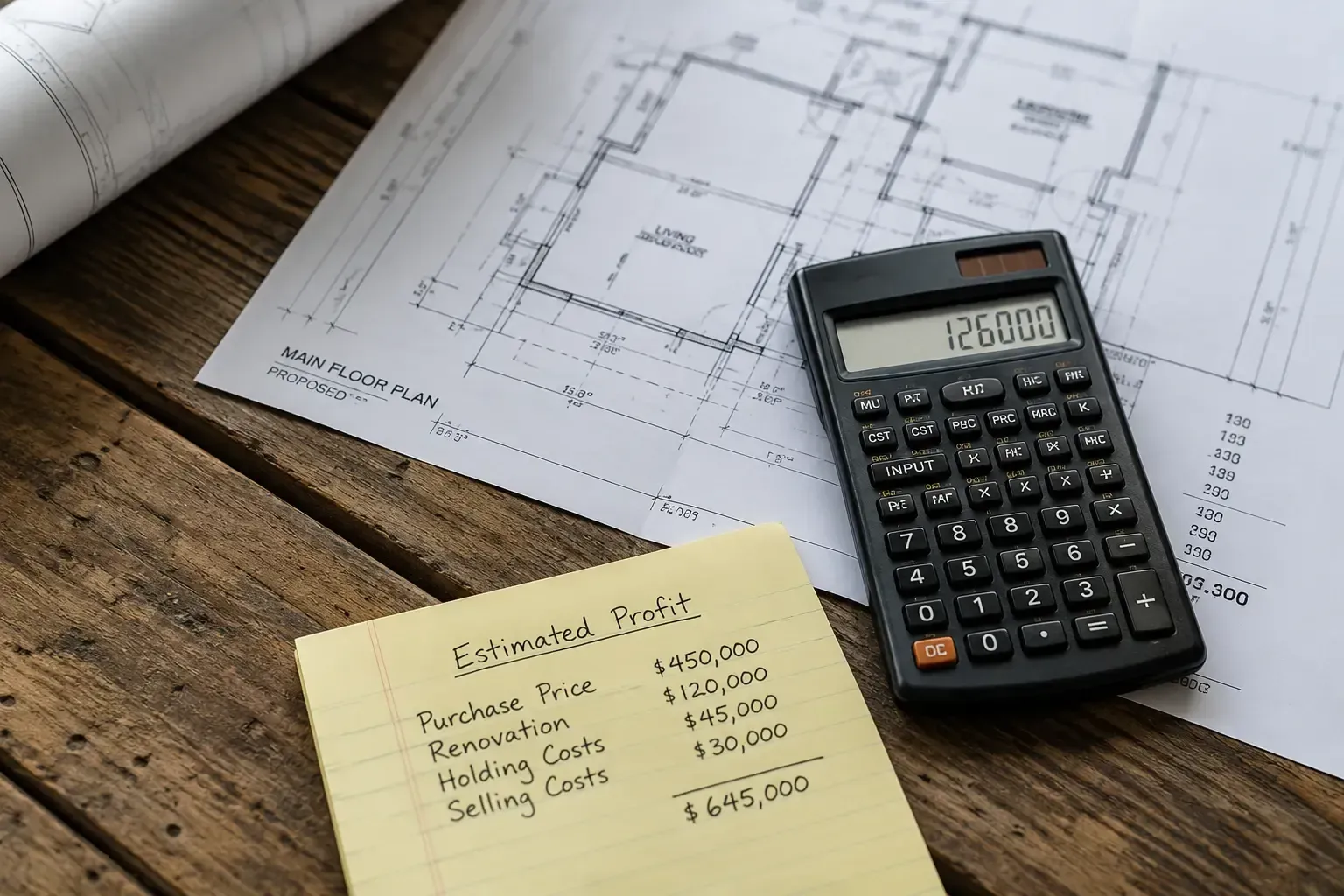
The cost of the capital is simply a line item in your renovation budget. When you factor in the massive discount you secured by closing in ten days, the slightly higher interest rate becomes statistically irrelevant. The math works.

Many novice investors obsess over finding the lowest possible interest rate. They will shop around for weeks to save half a percent. This is a massive tactical error. In the real estate business, cheap money is often slow money. Slow money loses deals. If you lose a property that had $150,000 of built-in equity because you were waiting on a bank to approve a lower rate, you didn't save money. You lost a fortune.

The East LA Housing Stock Advantage

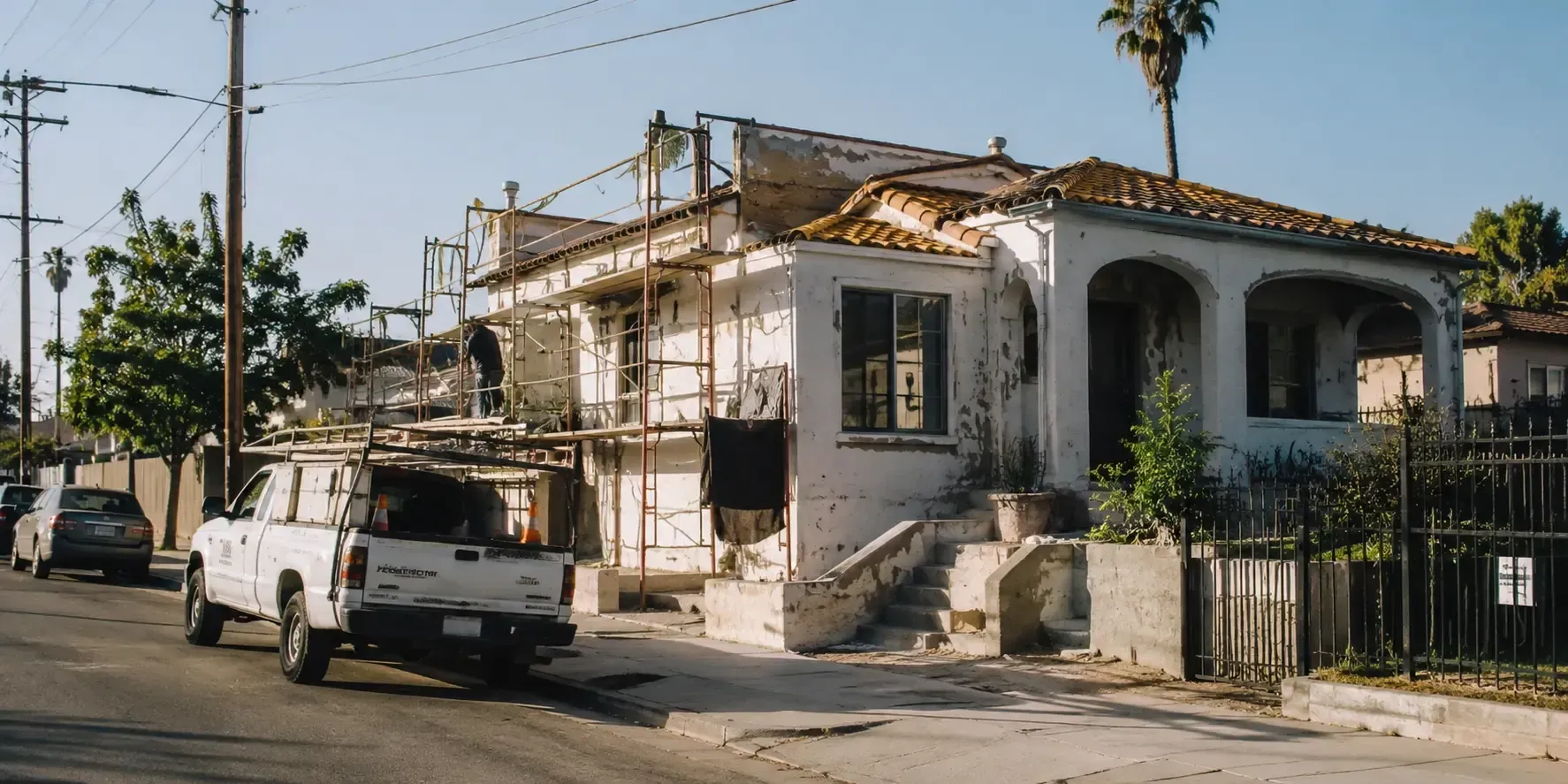
Walk through historic East LA neighborhoods. Much of the housing stock dates back to the 1920s and 1930s. These are beautiful, historic structures. They also have 100-year-old plumbing, outdated wiring, and severe deferred maintenance. Traditional banks run screaming from these properties. Fannie Mae and Freddie Mac have strict property condition guidelines. If a home lacks a functioning kitchen or a certified roof, a conventional lender will deny the loan.

This creates an incredible opportunity for real estate investors. The buyer pool for distressed assets is tiny compared to turnkey homes. Less competition means better purchase prices. A bridge loan doesn't care about a missing kitchen sink. Hard money lenders base their funding on what the property will become, not what it is today. They finance your vision.

Market Trends: Why You Must Move Now

Real estate in East Los Angeles continues to appreciate rapidly. The Urban Land Institute consistently points to transit-oriented neighborhoods as high-growth zones. The Metro L Line extension and local infrastructure improvements are pushing property values higher. Getting a foothold in this market requires aggressive, decisive tactics. You cannot afford to wait on the sidelines.

With national interest rates fluctuating, as tracked by FRED Economic Data, traditional mortgage approvals have tightened. Banks are nervous. Meanwhile, the National Association of Realtors reports that cash and hard money offers continue to dominate competitive markets. Sellers want certainty. A pre-approval letter from a conventional bank is merely a suggestion. A proof of funds letter from GRO Los Angeles Hard Money Real Estate is a guarantee.

Furthermore, recent zoning updates from the Los Angeles Department of City Planning have made it easier to add Accessory Dwelling Units (ADUs) to existing residential lots. This is a goldmine for East LA investors. You buy a single-family home on a large lot using a bridge loan. You rehab the main house and build an ADU in the back. You have just doubled the rental income potential. Traditional banks won't finance speculative ADU construction on an initial purchase. Hard money will.

Frequently Asked Questions

  • How fast can a bridge loan close in East Los Angeles?

    A bridge loan can typically close in 5 to 10 days. Unlike traditional mortgages that require extensive underwriting and 30 to 45 days of processing, hard money lenders focus on the asset's value, allowing real estate investors to move with cash-like speed.

  • What are the typical interest rates for bridge loans?

    Bridge loan interest rates usually range from 8% to 12%, depending on the borrower's experience and the specific real estate deal. While higher than conventional loans, they are short-term solutions meant to be refinanced or paid off within 6 to 12 months.

  • Can I use a bridge loan for renovation costs?

    Yes. Many bridge loans are structured to cover both the property acquisition and the renovation budget. Lenders hold the repair funds in escrow and release them in draws as construction milestones are completed, keeping your out-of-pocket costs minimal.

  • Why choose GRO Los Angeles Hard Money Real Estate?

    GRO Los Angeles Hard Money Real Estate specializes in the local market. They offer rapid funding, transparent terms, and asset-based underwriting. Their deep understanding of East LA neighborhoods ensures real estate investors get the reliable capital needed to secure profitable deals quickly.


By John Constantine July 7, 2026
Key Insights and Takeaways Securing the right construction loan in 2026 requires understanding specialized draw schedules, underwriting protocols, and regional market dynamics. Homeowners must evaluate prospective lenders based on their localized expertise and ability to deploy capital efficiently during the building phases. A strategic partnership with an experienced regional lender minimizes project delays and ensures adequate funding from foundation to completion. Construction financing disperses capital in scheduled tranches based on project milestones rather than a single lump sum. Partnering with a locally embedded lender ensures adherence to regional zoning laws and prevents municipal permitting delays. Borrowers must provide highly detailed builder budgets and comprehensive project timelines to secure optimal lending terms.
By John Constantine July 2, 2026
Key Insights and Takeaways Choosing between an affordable older home and new construction requires a strategic evaluation of upfront costs versus long-term maintenance liabilities. While existing homes offer lower entry barriers and significant value-add opportunities, newly built properties provide energy efficiency and predictable carrying costs. Buyers must align their choice with local market dynamics and secure appropriate financing to maximize their real estate investment. Older properties provide excellent opportunities to force appreciation through targeted, strategic renovations. New construction commands a premium price but delivers long-term savings through comprehensive warranties and superior energy efficiency. Leveraging specialized financing options based on the property type is critical for maintaining healthy cash flow and maximizing overall returns.
By John Constantine June 25, 2026
Key Insights and Takeaways Preparing a property for sale requires a strategic blend of physical improvements, proactive financial planning, and professional marketing execution. Homeowners who methodically address necessary repairs and utilize targeted financing options consistently secure better terms and experience faster sales. By following a structured checklist, sellers can easily maximize their property value and navigate complex market transitions with complete confidence. * Address deferred maintenance and prioritize high-ROI renovations like minor kitchen and bathroom updates before listing. * Utilize short-term financial solutions to bridge the liquidity gap between selling your current asset and purchasing a new property. * Invest capital into professional staging and high-quality photography to capture buyer interest in a highly competitive digital landscape. 
By John Constantine June 24, 2026
Navigating the competitive Southern California real estate market requires fast, reliable capital that traditional banks simply cannot provide. By understanding the asset-based underwriting criteria of private lenders, both experienced developers and new investors can secure funding in a matter of days. Structuring a professional deal presentation and leveraging specialized financing allows investors to confidently scale their property portfolios. * Private loans prioritize property equity and project profitability over personal income and credit history. * Securing financing requires a substantial down payment, a detailed construction budget, and a clear exit strategy. * Asset-based lending enables investors to bypass strict banking limits and rapidly acquire distressed properties in highly competitive markets.
June 20, 2026
East Los Angeles represents a dynamic and highly competitive sector for commercial and residential property acquisition. Real estate investors face exceptionally tight windows to secure valuable assets before competing buyers submit their offers. Speed dictates who closes the deal and who misses out on a lucrative opportunity. Institutional financing simply moves too slowly for this aggressive environment. Savvy investors require rapid capital deployment to capitalize on transitional properties, distressed assets, and value-add multi-family units. GRO Los Angeles Hard Money Real Estate partners with serious professionals to deliver the necessary liquidity for these time-sensitive acquisitions. By bypassing the bureaucratic delays of traditional banks, investors can execute their strategies with confidence.
By John Constantine June 16, 2026
Key Insights and Takeaways The Los Angeles housing market in 2026 is steadily transitioning to favor home buyers, characterized by rising inventory and extended days on the market. Securing flexible financing gives purchasers the speed and leverage needed to capitalize on stabilizing property prices and increased seller concessions. Focusing on strategic neighborhoods like East Los Angeles CA offers significant opportunities for value-add investments. * Market data for 2026 projects active inventory growth of 8.7 percent, giving buyers much wider property selection. * Specialized financing such as fix and flip or bridge loans provides the necessary speed to acquire distressed properties before competitors. * Neighborhoods like East Los Angeles CA present excellent opportunities for buyers willing to force appreciation through strategic renovations.
By John Constantine June 4, 2026
Key Insights and Takeaways Navigating the complex Los Angeles commercial property market requires specialized financing that prioritizes speed and asset value over rigid institutional criteria. By leveraging alternative capital solutions like bridge and fix-and-flip loans, investors can confidently acquire and reposition lucrative assets. Partnering with a localized private lender ensures tailored underwriting that perfectly aligns with regional market dynamics and aggressive project timelines. * Traditional banks often reject high-potential distressed properties due to stringent historical cash flow requirements, making private capital essential for value-add investors. * Short-term funding solutions empower borrowers to close rapidly on competitive acquisitions and fund extensive renovations. * Presenting a comprehensive loan package featuring detailed pro forma financials and construction budgets significantly accelerates the private lending approval process.
By John Constantine May 26, 2026
The Los Angeles property market requires decisive action and strategic capital management. Investors seeking to build a robust portfolio of income-producing assets understand that traditional financing avenues often lack the agility required for competitive acquisitions. Whether you are targeting a duplex in Echo Park or a multi-unit complex in the San Fernando Valley, having capital ready to deploy is an absolute necessity. 
By John Constantine May 19, 2026
Securing a profitable investment property in Los Angeles requires exact timing and calculated financial execution. Off-market deals often surface through private networks, distressed seller situations, or direct-to-seller marketing campaigns. When these opportunities arise, the seller typically dictates the timeline. They want certainty of execution and a fast closing process. Investors who rely on conventional bank financing often lose these bids to cash buyers or those with highly liquid capital backing. To remain competitive across Southern California, experienced buyers structure their funding strategies well before a property goes under contract.
By John Constantine May 12, 2026
Securing capital remains the most critical hurdle for real estate developers operating in Los Angeles. The Southern California property market presents unique challenges driven by high acquisition costs, aggressive competition, and strict local zoning regulations. Experienced property flippers and commercial builders know that waiting on conventional bank approvals often results in lost opportunities. As a result, seasoned investors are completely restructuring how they approach project funding.  Professionals aged 30 to 60 who already possess investment capital and business experience are shifting away from traditional financial institutions. Instead of relying on slow, paper-heavy bank loans, these business-oriented borrowers are leveraging alternative financing to scale their portfolios quickly. This shift highlights a broader trend in the industry where speed, flexibility, and asset value take precedence over personal credit scores and lengthy underwriting processes.