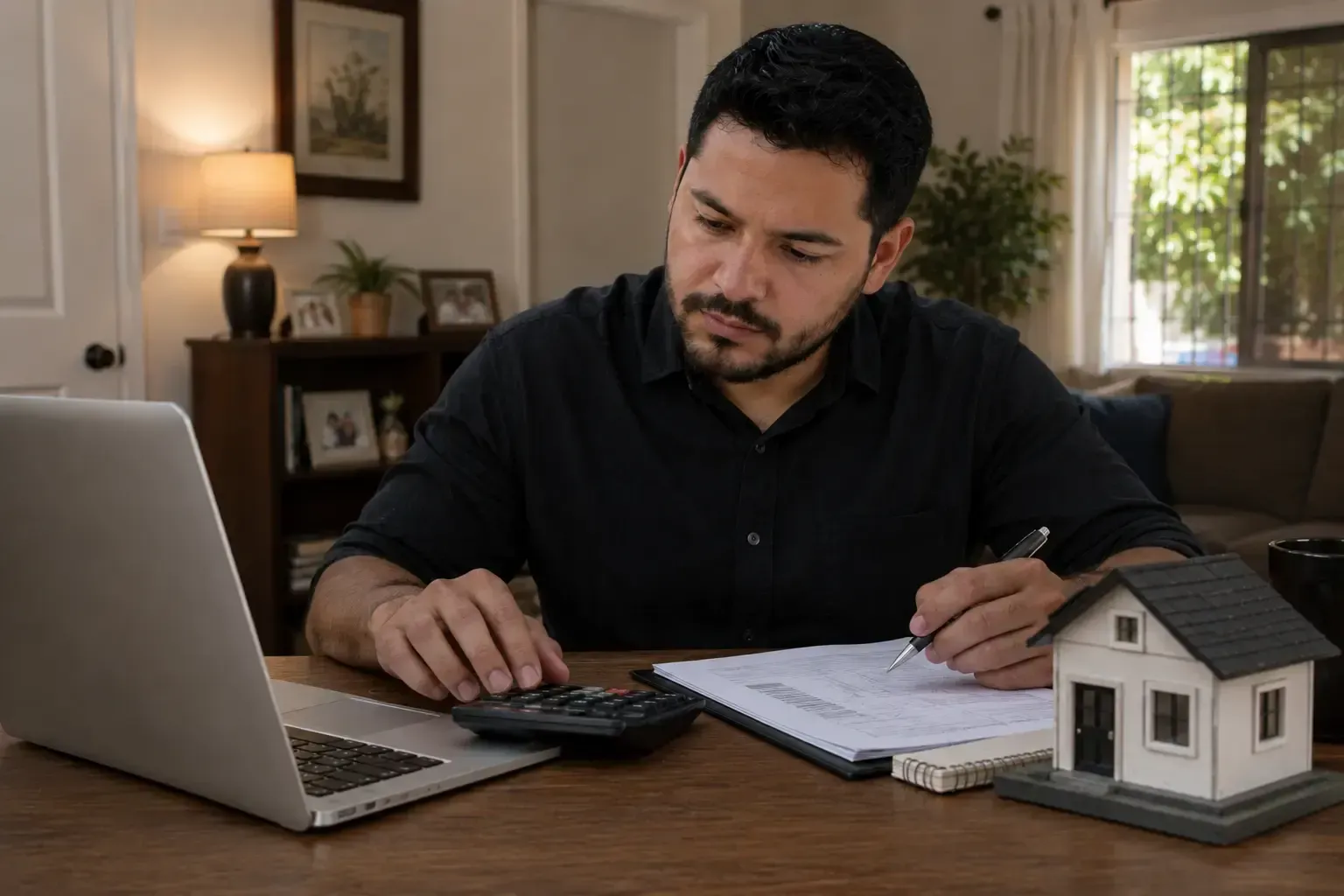
Strategic Bridge Loans for Property Investors in East Los Angeles
Real estate transactions rarely align perfectly with your existing capital reserves. When you locate an ideal property, waiting for traditional bank approvals frequently results in losing the deal to a faster buyer. This timing gap is exactly where short-term financing becomes a critical tool for serious investors. Based directly in East Los Angeles CA, Los Angeles Hard Money provides the rapid capital necessary to secure properties without unnecessary delays. We understand local market dynamics and structure our financing to keep your investment strategies moving forward smoothly. Relying on private capital allows you to bypass the bureaucratic hurdles of conventional institutions and act with the speed of a cash buyer.

Understanding the Mechanics of a Bridge Loan
A bridge loan is a short-term financing option designed to cover the specific interval between buying a new property and securing long-term financing. Instead of focusing heavily on a borrower's personal credit score or debt-to-income ratio, private lenders evaluate the hard asset itself. The property acts as the primary collateral for the funding. This asset-based approach allows for significantly faster approval times compared to standard mortgages.
When you utilize bridge loans, you gain immediate liquidity to act on time-sensitive opportunities. Terms typically range from six to eighteen months. During this period, investors execute their specific business plans. This might involve extensive renovations, leasing up a vacant commercial space, or simply stabilizing the property's rent roll to qualify for permanent bank financing later. Lenders typically base the loan amount on either the current Loan-to-Value (LTV) or the projected After-Repair Value (ARV), giving investors the necessary leverage to maximize their purchasing power.
Elevating Real Estate Services with Fast Capital
Navigating competitive property markets requires more than just a keen eye for valuable assets. Professional investors, brokerages, and comprehensive Real Estate Services require immense financial agility to thrive. Traditional financial institutions move at a glacial pace. They require extensive historical documentation, lengthy underwriting processes, and strict regulatory compliance. This sluggish pace routinely kills promising deals before they even reach the closing table.
Private lending fills this critical void in the market. By partnering with a specialized lender, real estate professionals can make highly competitive offers. This negotiating power routinely results in better purchase prices and much more favorable contract terms. Sellers consistently prioritize buyers who can close quickly and reliably over those waiting on a thirty-day bank contingency. Having a dedicated capital partner allows property professionals to focus entirely on property management, new acquisitions, and scaling their portfolios rather than constantly chasing down funds.

The East Los Angeles CA Market Advantage
The property landscape in East Los Angeles CA presents a highly specific set of challenges and lucrative opportunities. Neighborhoods here are evolving rapidly. Strategic revitalization projects are transforming older, neglected properties into highly desirable modern residences and updated commercial spaces. Recognizing these local trends requires distinct on-the-ground experience.
We operate directly within this community. You can learn more about our local expertise to see exactly how deep our regional roots go. National lenders rely heavily on generic algorithms and distant appraisers to assess property values. They completely miss the nuanced neighborhood shifts that local experts recognize immediately. We assess the specific block, the surrounding community developments, and the true future value of East LA properties. This localized underwriting means we can successfully fund profitable deals that out-of-state banks mistakenly reject.
Primary Scenarios for Short-Term Financing
Investors utilize these specific financial instruments for a wide variety of strategic reasons. The inherent flexibility of private capital makes it adaptable to nearly any transitional property situation you might encounter.
- Property Rehabilitation: Purchasing distressed real estate requires immediate capital for both the acquisition and the subsequent repairs. Traditional banks heavily penalize or outright reject uninhabitable properties. Investors use private capital to buy the asset, complete the renovations, and then sell the home for a profit. For specialized residential projects, you can explore our dedicated fix and flip loans. You can also study this exact strategy in our previous breakdown detailing fast real estate funding for fix and flipinvestors.
- Ground-Up Developments: Securing an empty plot of land and starting the initial phases of building requires incredibly flexible funding. Developers often need a reliable capital source to manage the gap between land acquisition and the stabilization of a newly built structure. If your upcoming project involves starting completely from scratch, our construction loans provide the necessary draw schedules to keep your crew working without interruption.
- Auction Purchases: Buying real estate at a public auction demands immediate and non-refundable capital. You cannot include standard financing contingencies in your bid. Having a pre-approved short-term loan ensures you have the cash ready to wire the moment you win the property.
- Time-Sensitive Acquisitions: Sometimes a seller needs to liquidate an asset immediately due to personal circumstances. An investor who can close in seven days will often secure the property at a steep discount compared to market value. Private capital facilitates this required speed.

The Evaluation and Underwriting Process
Understanding how a private lender evaluates a transaction helps you prepare a stronger loan request. The process prioritizes common sense and actual property value over strict bureaucratic checklists.
First, the lender reviews the target property and your proposed exit strategy. If you plan to renovate and sell, the lender will heavily scrutinize your construction budget and the local market comparables. Second, an appraisal or valuation confirms the current worth and the projected future value. Finally, the underwriting team verifies the legal title of the property to ensure no hidden liens will complicate the transaction. Because this process removes the heavy scrutiny of personal tax returns and W2 forms, the entire timeline shrinks from months down to a matter of days.
Executing Your Strategy with the Right Partner
The ultimate success of your real estate investment heavily depends on the reliability of your chosen capital source. Unexpected delays in funding can completely derail your renovation timelines, artificially increase your holding costs, and severely damage your reputation with local sellers and agents.
Working with a dedicated local lender removes these costly uncertainties. We actively streamline the application and underwriting phases to respect your time. Our team evaluates the property value accurately, reviews your specific exit strategy carefully, and provides clear lending terms without hidden fees. We prioritize transparency and execution speed above all else. When you are ready to evaluate a new property or need immediate capital for an active deal, contact our lending team to discuss your scenario directly.
Frequently Asked Questions
How long does it take to secure funding?
Unlike traditional bank mortgages that can take thirty to sixty days, private short-term financing moves rapidly. Depending on the complexity of the property and the clarity of title, funding can typically be secured and wired in as little as seven to fourteen days.
What are the typical interest rates for short-term private loans?
Interest rates for private financing are generally higher than conventional thirty-year mortgages, reflecting the speed, flexibility, and asset-based nature of the loan. Rates vary based on the specific project risk, your experience level, and the loan-to-value ratio, typically ranging from eight to twelve percent.
Do I need a perfect credit score to qualify?
No. While lenders will run a standard background check to look for recent bankruptcies or foreclosures, your personal credit score is not the primary deciding factor. The approval relies heavily on the equity in the property and the viability of your business plan.