Inside Los Angeles Hard Money Lending: Fast Real Estate Funding for Fix and Flip Investors
Navigating the Los Angeles real estate market requires aggressive capital deployment and strict adherence to acquisition timelines. Bidding wars remain common across highly desirable neighborhoods, from the evolving commercial corridors of the San Fernando Valley to the established residential blocks of the Westside. For experienced property developers, portfolio builders, and real estate entrepreneurs, liquidity dictates success. Securing a distressed property or a prime multi-family asset often comes down to who can fund the deal first.
Traditional financial institutions operate on rigid schedules. Their underwriting departments prioritize personal debt to income ratios, extensive credit histories, and strict property condition requirements. This standard banking model directly conflicts with the operational realities of real estate investing. Properties requiring extensive rehabilitation rarely qualify for conventional mortgages.
GRO Los Angeles Hard Money Real Estate provides the specialized financial infrastructure required for high-level property acquisition. By shifting the underwriting focus from the individual borrower to the underlying asset, investors gain the speed and flexibility necessary to capitalize on time-sensitive opportunities.

The Mechanics of Deal Based Underwriting
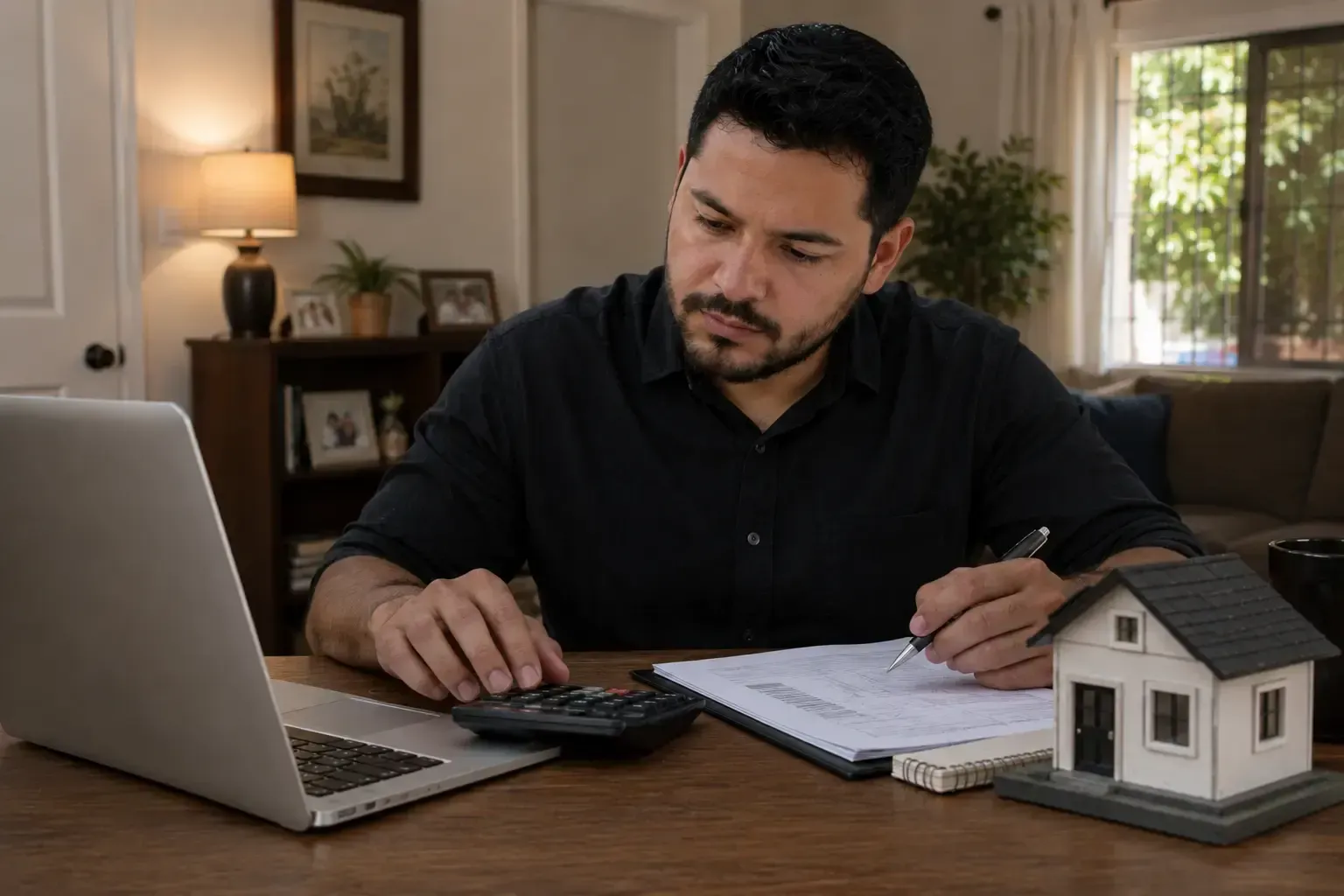
To understand the utility of private lending, investors must first understand deal-based underwriting. Conventional banks assess risk by scrutinizing the borrower. They demand months of bank statements, tax returns, and W-2s to ensure the individual can service the debt from their personal income.
Private lending operates on a fundamentally different risk assessment model. The primary focus remains the viability of the real estate transaction itself. Lenders evaluate the current value of the property, the scope of the proposed renovations, and the projected After Repair Value. If the margins are strong and the exit strategy is clear, the capital follows the asset.
This asset-centric approach empowers self-employed entrepreneurs and mid-career professionals who may have complex tax situations or multiple business entities. A 45-year-old developer with substantial capital tied up in active projects might not fit a traditional bank's risk profile, but they represent an ideal candidate for private financing. The loan is secured by the real estate, significantly reducing the friction of the approval process.
Essential Hard Money Real Estate Services for Los Angeles Investors
Strategic capital is a tool for wealth generation. Leveraging specialized Hard Money Real Estate services provides investors with distinct tactical advantages in a highly competitive geographic region. Different investment strategies require different financial structures.
Fix and Flip Financing
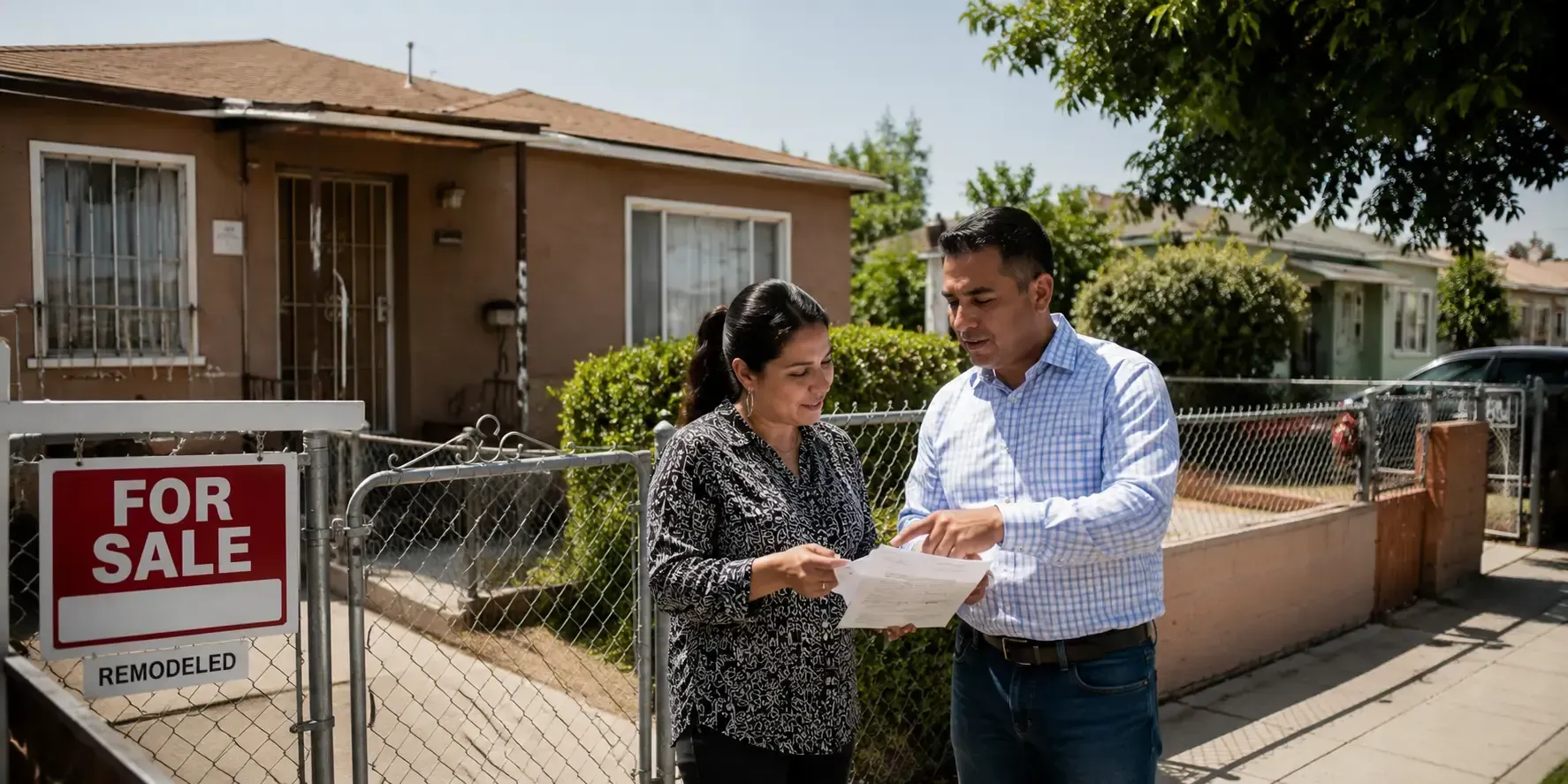
The quintessential strategy for active real estate investors involves acquiring distressed homes, executing strategic renovations, and returning the modernized properties to the market. Fix and flip financing is designed specifically for this cycle. Loans are structured to cover a significant percentage of the initial purchase price while simultaneously funding the rehabilitation budget.
Funds for the renovation are typically held in escrow and released through a draw schedule. As the investor completes specific phases of construction, inspectors verify the work, and the next tranche of capital is released. This ensures the project remains funded through completion without requiring the investor to drain their personal liquid reserves. In Los Angeles neighborhoods where a simple cosmetic update can yield substantial returns, this type of financing accelerates project turnover.
Bridge Loans and Portfolio Expansion
For established landlords and property managers managing multiple assets, bridge financing serves as a critical stabilization tool. A bridge loan provides short-term capital to close a gap between two transactions.
Consider an investor seeking to acquire a lucrative 10-unit apartment building in Koreatown. They plan to fund the purchase by selling two smaller duplexes in Long Beach. If the seller of the Koreatown property demands a fast closing, the investor cannot wait for their Long Beach properties to sell. A bridge loan secures the new asset immediately. Once the legacy properties are sold, the proceeds pay off the short-term private loan. This prevents experienced portfolio builders from missing rare market opportunities due to temporary illiquidity.
Ground-Up Construction Loans
Los Angeles faces a well-documented housing shortage. Savvy developers are increasingly turning to ground-up construction to maximize the value of underutilized lots. Traditional banks are notoriously hesitant to fund new construction without pre-existing tenant commitments or massive down payments. Private construction financing evaluates the local zoning laws, the demand for housing in the specific zip code, and the developer's execution history.
Analyzing the Financing Landscape
Evaluating the appropriate capital source requires a clear understanding of the differences between traditional channels and private funding. The table below outlines the operational realities of both options for California real estate investors.
| Financing Feature | Traditional Bank Lending | GRO Private/Hard Money Financing | Strategic Application |
|---|---|---|---|
| Approval Timeline | 30 to 60+ Days | 5 to 10 Days | Securing highly contested properties and distressed assets. |
| Underwriting Focus | Personal Credit, DTI, Income | Property Value, ARV, Exit Strategy | Self-employed investors and those with complex financials. |
| Property Condition | Must be habitable and move-in ready | Will fund heavy rehabs and empty lots | Fix and flip projects, major additions, and ground-up builds. |
| Capital Structure | Purchase price only | Purchase price plus renovation budget | Projects requiring substantial upfront construction capital. |
Capitalizing on Los Angeles Market Dynamics
The Los Angeles real estate ecosystem is incredibly diverse. The capital strategy required to flip a mid-century modern home in the Hollywood Hills differs drastically from the approach needed to stabilize a multi-tenant commercial space in Downtown LA.
Successful investors in the 30 to 65 demographic understand that location dictates the scope of work. They rely on accurate After Repair Value assessments to ensure their renovation budgets align with neighborhood ceilings. Over-improving a property in a working-class neighborhood compresses profit margins just as quickly as under-improving a luxury estate.
Local intelligence is a critical component of private lending. National banks utilize automated valuation models that often misinterpret the hyper-local nuances of Los Angeles streets. A property located north of a specific boulevard might command a 20 percent premium over an identical property located two blocks south. GRO Los Angeles Hard Money Real Estate operates within this specific geographic footprint. This localized expertise ensures that asset valuations are accurate, protecting both the lender and the investor from speculative errors.
Building Generational Wealth Through Leverage
Real estate remains one of the most reliable vehicles for long-term wealth accumulation. For professionals entering their peak earning years, transitioning from active income generation to passive asset management becomes a primary financial goal.
Strategic leverage accelerates this transition. Tying up all available liquid cash in a single property limits growth potential. By utilizing short-term private financing to acquire and stabilize assets, investors can subsequently refinance those properties with long-term conventional debt once the renovations are complete and the property is generating rental income.
This process, often referred to as the BRRRR method (Buy, Rehab, Rent, Refinance, Repeat), relies entirely on the initial acquisition capital provided by private lenders. It allows dedicated investors to control a larger asset base with a smaller initial cash outlay. Over time, property appreciation and tenant-paid debt paydown build substantial equity.
Securing the right financial partner is not just about funding a single transaction. It is about establishing a reliable capital pipeline that scales alongside your investment ambitions. When an unexpected off-market property becomes available, having immediate access to capital transforms a missed opportunity into a closed deal.
Frequently Asked Questions
What are the typical interest rates for hard money loans in Los Angeles?
Interest rates for private real estate financing generally range between 8 percent and 12 percent, depending on the specific loan program, the investor's experience level, and the loan-to-value ratio. While these rates are higher than conventional mortgages, the loans are designed to be short-term instruments usually lasting 6 to 24 months. The slightly higher cost of capital is offset by the ability to acquire deeply discounted properties and the speed of transaction execution.
How quickly can a hard money loan close compared to a traditional mortgage?
A traditional bank mortgage typically takes between 30 and 60 days to process, assuming there are no delays with appraisals or underwriting contingencies. Private financing through GRO Los Angeles Hard Money Real Estate can frequently be funded in as little as 5 to 10 days. This accelerated timeline allows investors to submit offers that compete directly with all-cash buyers, providing a massive advantage in competitive markets.
Does deal-based underwriting mean personal credit history is completely ignored?
While the primary focus of deal-based underwriting is the profitability and equity of the asset, personal credit is not entirely disregarded. A credit report is typically pulled to check for major red flags such as recent bankruptcies, active foreclosures, or significant outstanding judgments. However, lower credit scores caused by high credit utilization or minor past blemishes will not automatically disqualify an investor if the property metrics are strong and the exit strategy is viable.
Do hard money lenders require appraisals?
Yes, most lenders require either a formal appraisal or a broker’s price opinion (BPO) to confirm property value. This ensures the loan-to-value ratio is accurate and protects both the lender and investor.