Build Wealth Smarter: DSCR Loans for East Los Angeles Real Estate Entrepreneurs
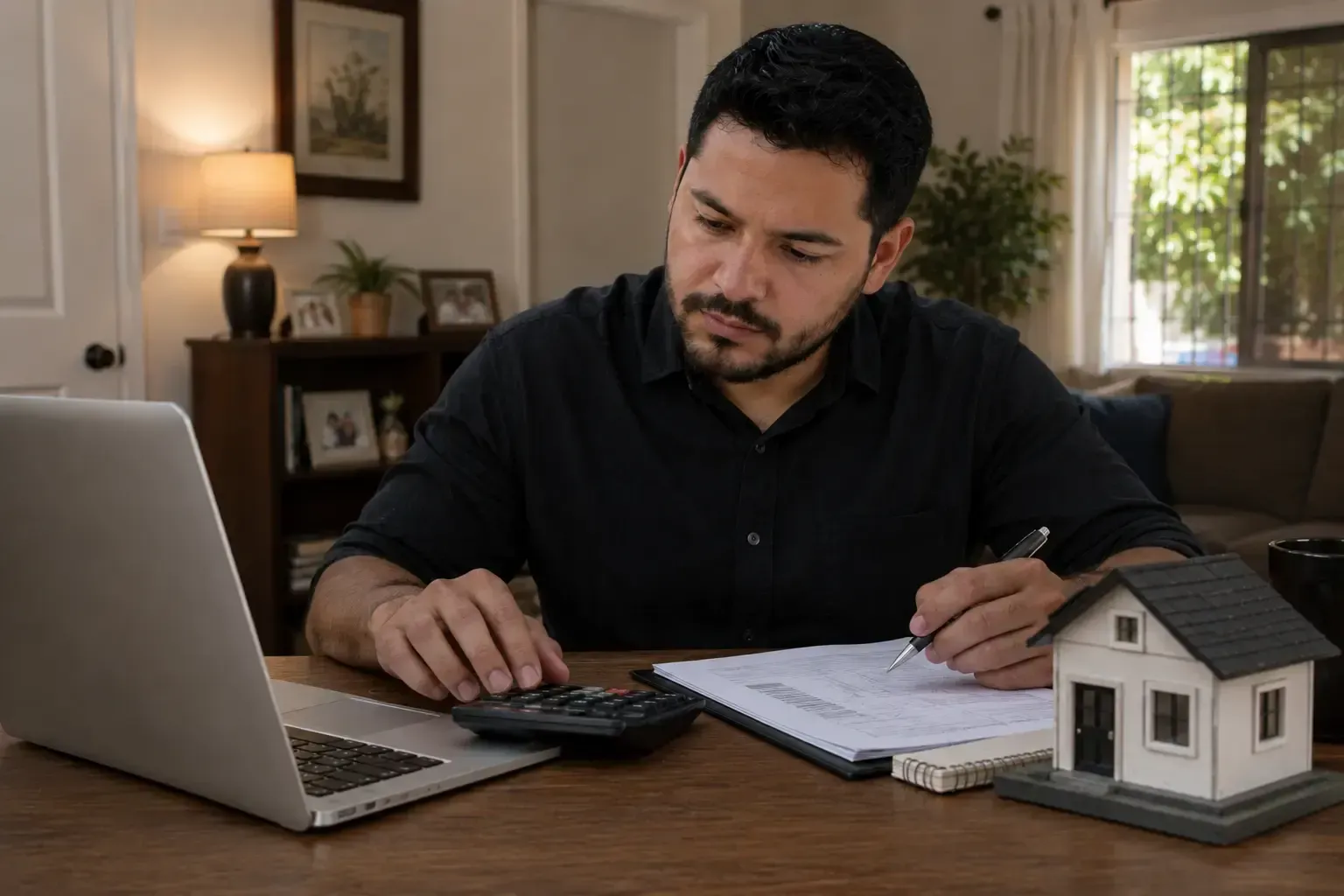
For homeowners in East Los Angeles, the transition from managing a primary residence to building an investment portfolio requires strategic financing. Traditional mortgages rely heavily on personal income, debt-to-income ratios, and extensive tax documentation. This creates a significant bottleneck for those looking to scale their property holdings quickly. Debt Service Coverage Ratio (DSCR) loans provide a highly practical alternative.
By evaluating the cash flow potential of the investment property rather than the borrower's personal income, these loans allow ambitious homeowners to acquire new assets efficiently. Holding income-producing assets is a proven method for combating inflation and generating generational wealth. Partnering with GRO Los Angeles Hard Money Real Estate ensures you have the local expertise necessary to navigate this specialized financing landscape and secure the right capital for your acquisitions.

What is a DSCR Loan in Real Estate?
A DSCR loan shifts the lender's focus from personal financials to the true income-generating capacity of the asset. The Debt Service Coverage Ratio itself is a straightforward calculation. It divides the property's expected annual gross rental income by its annual debt obligations. If a property in East Los Angeles generates enough rent to cover its principal, interest, taxes, and insurance, the deal stands on its own merit.
For example, if an investment property generates $3,000 per month in rent and the total monthly loan obligations are $2,500, the DSCR is 1.2. This structure is highly advantageous for self-employed individuals, independent contractors, or homeowners whose personal tax returns might not reflect their true purchasing power due to legal deductions.
Leveraging Local Opportunities in East Los Angeles
The East Los Angeles market presents unique advantages for budding property entrepreneurs. With high demand for quality rental housing and dynamic neighborhood revitalization efforts, property values and rental rates offer robust long-term growth potential. Proximity to downtown Los Angeles and ongoing improvements to public transit infrastructure make this area highly attractive to a diverse pool of renters.
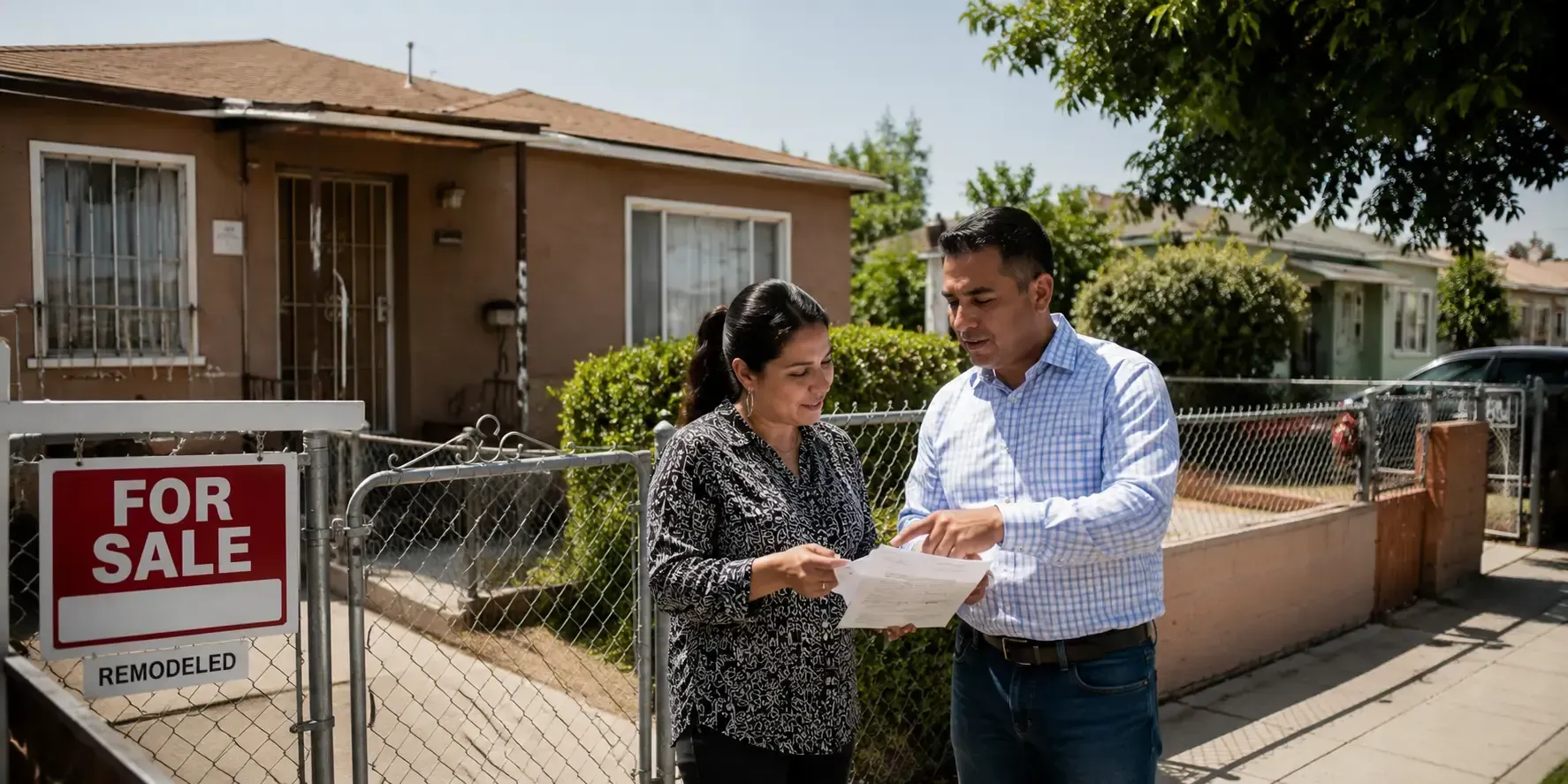
Homeowners who already understand the local nuances, from street parking dynamics to specific zoning regulations, possess a distinct competitive edge over out-of-state investors. By utilizing a DSCR loan, you can leverage liquid capital or the equity in your current home to acquire multi-family units or single-family rentals right in your own backyard. Understanding the local market is something we prioritize heavily, as detailed on our about us page.
Comparing Financing Options for Property Investment
Selecting the right financial tool dictates the success of your investment strategy. While DSCR loans are excellent for buy-and-hold strategies, other scenarios might require entirely different approaches. For instance, if a property requires significant renovations before it can generate rental income, exploring fix and flip loans might be the necessary first step. Similarly, investors needing fast, short-term capital to secure a property before organizing long-term financing frequently utilize bridge loans.
| Loan Type | Primary Approval Metric | Best Use Case | Typical Funding Speed |
|---|---|---|---|
| Conventional Mortgage | Personal Debt-to-Income | Primary residence purchases | 30 to 45 Days |
| DSCR Loan | Property Rental Cash Flow | Buy-and-hold rental properties | 14 to 21 Days |
| Fix and Flip Loan | After Repair Value (ARV) | Distressed properties needing rehab | 7 to 14 Days |
| Bridge Loan | Current Property Equity | Short-term acquisition and transition | 7 to 14 Days |
Strategies to Maximize Real Estate Returns with DSCR
Securing the property is only the first phase of wealth generation. Maximizing the return on investment requires a proactive approach to property management and strategic improvement. Increasing the gross rental income directly improves your DSCR ratio, which can lead to better refinancing terms or increased borrowing power down the road.
- Cosmetic Upgrades: Fresh paint, modernized kitchen fixtures, and updated durable flooring attract higher-paying tenants and reduce turnover rates.
- Operational Efficiency: Implementing water-saving landscaping and energy-efficient appliances reduces landlord-paid utility costs and increases net operating income.
- Strategic Additions: California legislation has made it easier to add an Accessory Dwelling Unit (ADU) to existing parcels. Converting an unused garage or building a backyard unit can drastically increase the monthly revenue of a single-family lot.
For extensive additions or major structural overhauls, you might require dedicated capital for the initial building phase. We recommend reading our detailed insights on how to maximize your property value using construction loans in East LA real estate. Once the work is complete and the property is fully tenanted, transitioning that short-term debt into a long-term DSCR loan stabilizes your portfolio. If your strategy involves ground-up builds rather than renovations, our specialized construction loans provide the necessary financial groundwork.
Scaling Your Portfolio Without Income Constraints
Traditional banks enforce strict limitations on the number of mortgaged properties a single individual can hold. Because DSCR loans do not rely on personal income, they effectively remove this artificial ceiling. This allows homeowners to scale from one investment property to five or ten at a pace dictated purely by their ability to locate profitable deals.
East Los Angeles offers a wide variety of property types suitable for this aggressive growth strategy. From classic mid-century bungalows that serve as highly desirable single-family rentals to multi-unit apartment complexes that maximize monthly cash flow, the opportunities are abundant. The core requirement is identifying properties where the projected market rent safely exceeds the carrying costs of the loan. A ratio of 1.2 or higher provides a built-in financial buffer that protects your investment against temporary vacancy periods or unexpected routine maintenance costs.
Taking the Next Step with GRO Los Angeles Hard Money Real Estate
Navigating the complexities of property investment requires a dependable and experienced financial partner. Our team understands the specific economic dynamics of the East Los Angeles market and the unique operational needs of homeowners looking to expand their personal wealth. We structure creative financing solutions that align directly with your specific investment goals. When you are ready to evaluate a potential property acquisition or want to discuss your broader funding options, reach out through our contact page to start a comprehensive conversation about your future in property investment.
Frequently Asked Questions
What is a good DSCR ratio for a loan in East Los Angeles?
A standard baseline for a highly competitive DSCR loan is a ratio of 1.20. This indicates that the property generates 20 percent more rental income than its monthly mortgage, tax, and insurance expenses combined. Ratios between 1.0 and 1.15 are sometimes acceptable depending on the borrower's real estate experience and the size of the initial down payment.
Can I use a DSCR loan if I am currently just a homeowner?
Yes. DSCR loans serve as an excellent entry point for current homeowners looking to acquire their first dedicated investment property. Because the loan underwriting is based on the cash flow of the new property rather than your personal W-2 income, it remains highly accessible for first-time investors aiming to expand their assets.
Do DSCR loans require a high personal credit score?
While DSCR loans prioritize property income over personal income, lenders still review personal credit histories to gauge overall financial responsibility. A mid-tier credit score is usually sufficient for approval. The exact numerical requirements vary based on the specific loan program and the amount of equity you are bringing to the transaction.