Maximizing Property Value: A Strategic Checklist for Home Sellers
Key Insights and Takeaways
Preparing a property for sale requires a strategic blend of physical improvements, proactive financial planning, and professional marketing execution. Homeowners who methodically address necessary repairs and utilize targeted financing options consistently secure better terms and experience faster sales. By following a structured checklist, sellers can easily maximize their property value and navigate complex market transitions with complete confidence.
* Address deferred maintenance and prioritize high-ROI renovations like minor kitchen and bathroom updates before listing.
* Utilize short-term financial solutions to bridge the liquidity gap between selling your current asset and purchasing a new property.
* Invest capital into professional staging and high-quality photography to capture buyer interest in a highly competitive digital landscape.

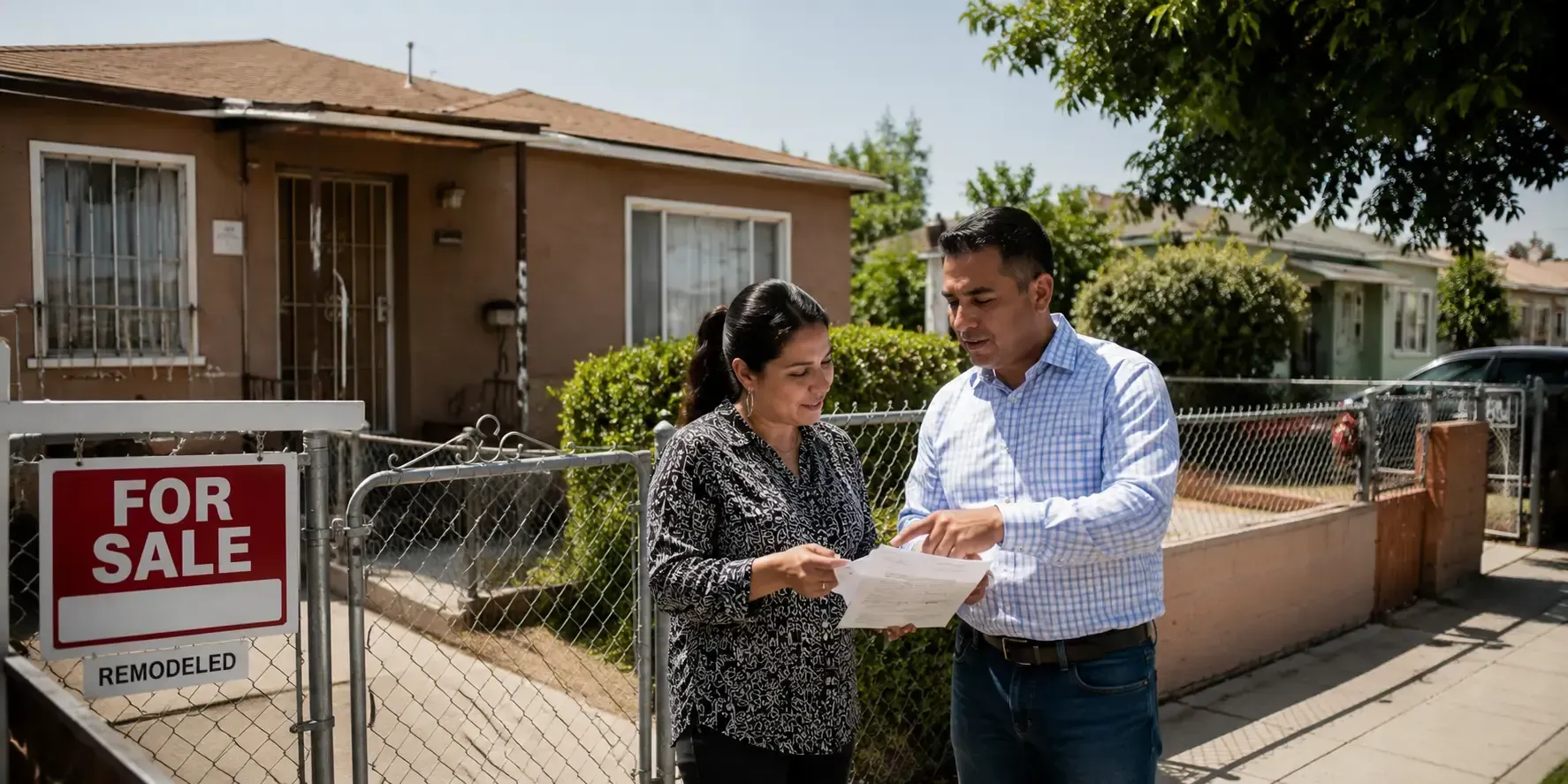
Selling a property requires meticulous planning and a clear understanding of buyer expectations. Homeowners who approach the sales process systematically often secure higher offers and experience shorter listing periods. Whether you are upgrading to a larger property or downsizing, preparing your home for the market demands a calculated combination of financial readiness, aesthetic improvements, and targeted marketing. By following a structured approach, you can navigate the complexities of property sales with complete confidence. For comprehensive property financing solutions, GRO Los Angeles Hard Money Real Estate provides the resources needed to facilitate smooth transitions and maximize your real estate investments.
Essential Real Estate Preparation: Evaluating Your Asset
The first step in any successful property sale involves an objective assessment of the physical structure. Buyers scrutinize every detail, making it vital to address deferred maintenance before officially listing the property. Start by conducting a thorough walkthrough of both the interior and exterior of the home. Note cracked tiles, leaky faucets, peeling paint, and squeaky hinges. Minor repairs consistently yield significant returns by presenting a well-maintained facade to prospective buyers.
Curb appeal serves as the critical first impression for any listing. Enhance your exterior by power washing walkways, trimming overgrown foliage, and applying a fresh coat of paint to the front door. Buyers will begin judging the property before they even step out of their vehicles.
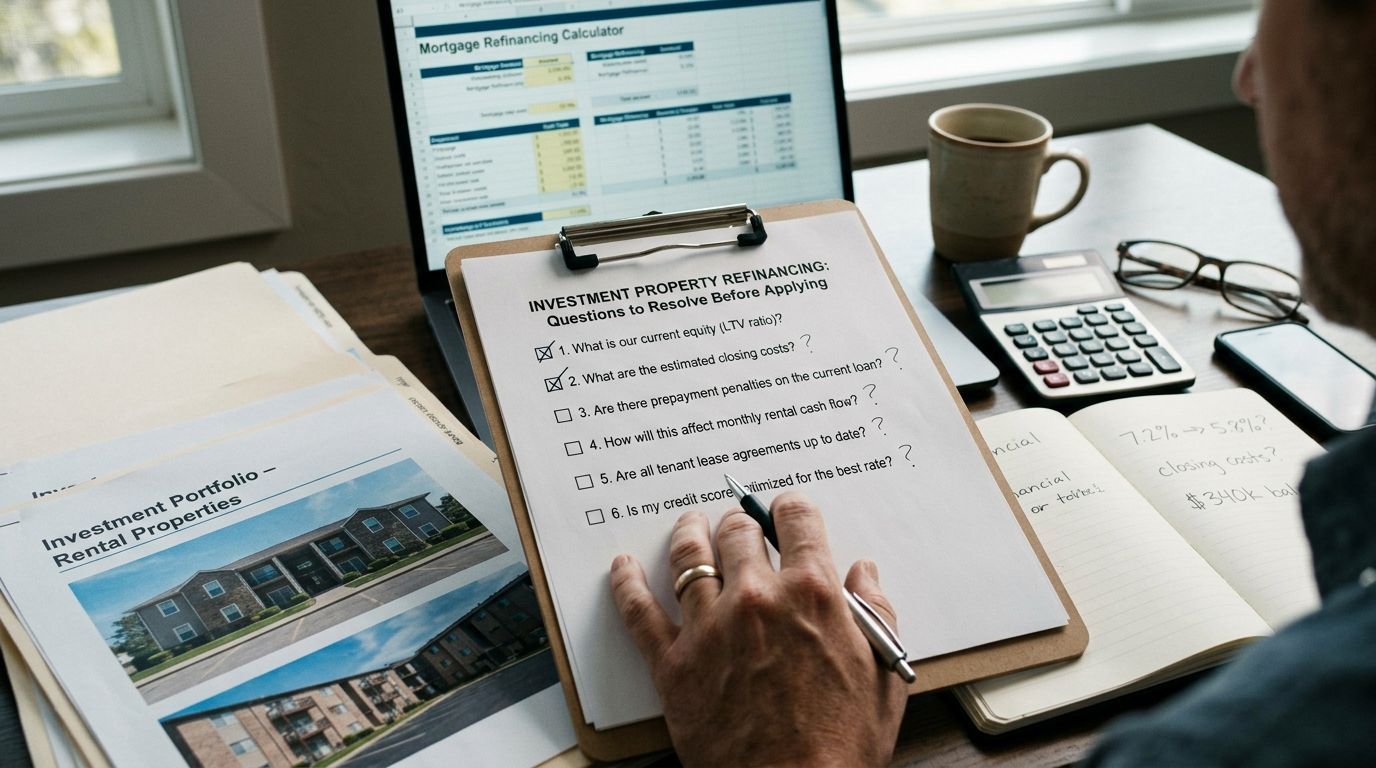
If your property requires extensive work before hitting the market, understanding your capital options is absolutely critical. Some sellers choose to leverage short-term financing to fund necessary renovations without liquidating personal assets. If you are navigating a fast-paced environment and need to secure capital quickly, it is highly beneficial to know how to qualify for a hard money loan in a competitive market. This strategy allows you to optimize your asset and command a premium price without depleting your savings.
Financial Strategy and Bridge Financing
Homeowners frequently face a timing dilemma when selling. Purchasing a new residence while waiting for the current property to sell creates a distinct gap in liquidity. Managing this transition requires careful financial structuring and realistic expectations. Establishing an accurate asking price based on comparable neighborhood sales sets the foundation for a successful transaction. Overpricing a home leads to extended days on the market, which can eventually stigmatize the listing and lead to lowball offers.
To navigate the financial gap between selling and buying, many proactive homeowners utilize bridge loans. These specialized financial instruments provide the necessary liquidity to secure a new property before the existing one officially closes. This approach eliminates the need for contingent offers, making your bid on a new home significantly more attractive to sellers who prioritize certainty and speed. By securing transitional funding, you maintain full control over your moving timeline and alleviate the stress of coordinating simultaneous closings.

Executing High-Impact Renovations
Not all home improvements offer equal returns. Prioritizing projects that maximize property value is a core component of this preparation checklist. Kitchens and bathrooms consistently remain the primary focal points for prospective buyers. Updating cabinetry hardware, installing modern lighting fixtures, and applying fresh coats of neutral paint can dramatically alter a space without requiring a massive capital outlay.
For properties requiring structural changes or major additions to maximize market value, specialized funding can effectively accelerate the timeline. Homeowners undertaking significant rebuilds or ground-up additions might explore construction loans to finance the project efficiently. Alternatively, real estate investors preparing distressed properties for immediate resale frequently rely on fix and flip loans to acquire, renovate, and sell the asset within a heavily compressed timeframe.
When deciding where to allocate your renovation budget, consider the data on average returns for standard home improvements.
| Renovation Type | Estimated Cost Range | Average ROI | Buyer Appeal Impact |
|---|---|---|---|
| Minor Kitchen Remodel | $15,000 - $25,000 | 75% - 80% | Very High |
| Bathroom Update | $5,000 - $12,000 | 65% - 70% | High |
| Fresh Exterior/Interior Paint | $3,000 - $7,000 | 100% - 110% | Very High |
| Garage Door Replacement | $2,000 - $4,000 | 90% - 95% | Medium |
| Landscaping Enhancements | $1,500 - $5,000 | 100%+ | High |
Staging and Professional Marketing
A pristine property requires equally impressive marketing to attract serious, qualified buyers. Professional staging highlights the architectural strengths of a home while allowing buyers to visualize themselves living comfortably in the space. Remove personal photographs, declutter countertops, and arrange furniture to promote clear walkways and maximize natural light. Pay attention to sensory details by eliminating harsh odors and utilizing warm, inviting lighting throughout the house.
Once the physical space is perfectly arranged, high-quality photography and virtual tours become your primary marketing tools. The vast majority of property searches begin online. If your listing features poorly lit, cluttered, or awkwardly framed images, potential buyers will simply scroll past your property. Invest in a professional real estate photographer who understands how to capture angles, manipulate natural lighting, and represent the spatial flow accurately.
Partnering with Industry Experts
Successfully executing a property sale requires a dedicated team of experienced professionals. From real estate agents to escrow officers and specialized lenders, aligning yourself with knowledgeable partners streamlines the entire process and mitigates risks. At GRO Los Angeles Hard Money Real Estate, we understand the distinct nuances of the local market and recognize the critical nature of reliable, rapid financing.
Our team is fully dedicated to providing tailored lending solutions that empower property owners and real estate investors to achieve their specific financial objectives. You can learn more about our firm and our unwavering commitment to efficient, transparent lending practices. If you are preparing to sell, renovate, or transition between properties and require immediate capital, we encourage you to contact us to discuss your exact funding requirements.
Frequently Asked Questions
How far in advance should I start preparing my home for sale?
Homeowners should ideally begin the preparation process three to six months before listing the property. This extended timeline allows ample opportunity to address deferred maintenance, execute strategic structural upgrades, and thoroughly declutter the property without feeling rushed. Careful, methodical planning prevents last-minute stress and ensures the home hits the market in peak condition.
Which repairs should be prioritized before listing a property?
Focus heavily on structural integrity, safety issues, and glaring cosmetic defects that immediately catch the buyer's eye. Prioritize repairing active roof leaks, updating faulty electrical panels, and resolving hidden plumbing issues. Cosmetically, applying fresh neutral paint to the walls, replacing heavily worn carpets, and ensuring impeccable front landscaping offer the most cost-effective ways to immediately improve buyer perception.
How can short-term financing assist during the selling process?
Short-term financing provides crucial liquidity during transitional real estate periods. Instruments like bridge loans allow sellers to leverage the equity in their current home to fund the down payment on a new property before the original home officially sells. Additionally, short-term renovation loans provide the rapid capital needed to upgrade a distressed property, directly increasing its final market sale price.