How to Choose the Best Lender for Your Construction Loan in 2026
Key Insights and Takeaways
Securing the right construction loan in 2026 requires understanding specialized draw schedules, underwriting protocols, and regional market dynamics. Homeowners must evaluate prospective lenders based on their localized expertise and ability to deploy capital efficiently during the building phases. A strategic partnership with an experienced regional lender minimizes project delays and ensures adequate funding from foundation to completion.
- Construction financing disperses capital in scheduled tranches based on project milestones rather than a single lump sum.
- Partnering with a locally embedded lender ensures adherence to regional zoning laws and prevents municipal permitting delays.
- Borrowers must provide highly detailed builder budgets and comprehensive project timelines to secure optimal lending terms.
Building a custom home requires substantial financial planning and precise execution. The year 2026 introduces distinct shifts in lending practices that directly impact prospective builders and homeowners. Finding the right financial partner is critical for keeping your project on schedule and fully capitalized. Homeowners must navigate fluctuating material costs alongside highly specialized funding requirements. Securing capital from an institution that understands both the broader financial climate and your specific regional market will ultimately define the success of your project.
Navigating the Real Estate Lending Landscape in 2026
The financial environment for property development continues to evolve. Recent changes in underwriting protocols require borrowers to present highly detailed project scopes before securing capital. Lenders now place heavier emphasis on the proposed timeline and the credentials of your chosen general contractor. Homeowners must understand that building a property from the ground up carries different risk profiles than purchasing an existing structure.
Market conditions heavily influence how financial institutions disburse funds. Choosing between purchasing an existing structure and building a new one requires careful financial calculation. If you are still weighing these options, reviewing how affordable homes vs new construction offer different value propositions can provide necessary clarity. Once you commit to new construction, aligning yourself with a specialized lender becomes your primary objective. General banks often lack the agility required for custom builds, making alternative lending a superior option for aggressive timelines.
How Construction Financing Differs from Standard Mortgages
Homeowners often assume that securing funds for a new build mirrors the traditional mortgage process. This assumption frequently leads to costly delays. Standard mortgages provide a single lump sum based on the current appraised value of an existing asset. Construction financing operates on a draw schedule based on the future completed value of the property.
As your general contractor completes specific phases of the project, the lender deploys capital in scheduled tranches. This structured release of funds requires a lender with robust operational efficiency. If an inspector approves the pouring of the foundation, the financial institution must release the corresponding funds immediately to keep the crew working. Slow processing times can stall your entire build. You need a partner capable of executing rapid draw disbursements without administrative bottlenecks.
The Importance of Local Expertise in East Los Angeles
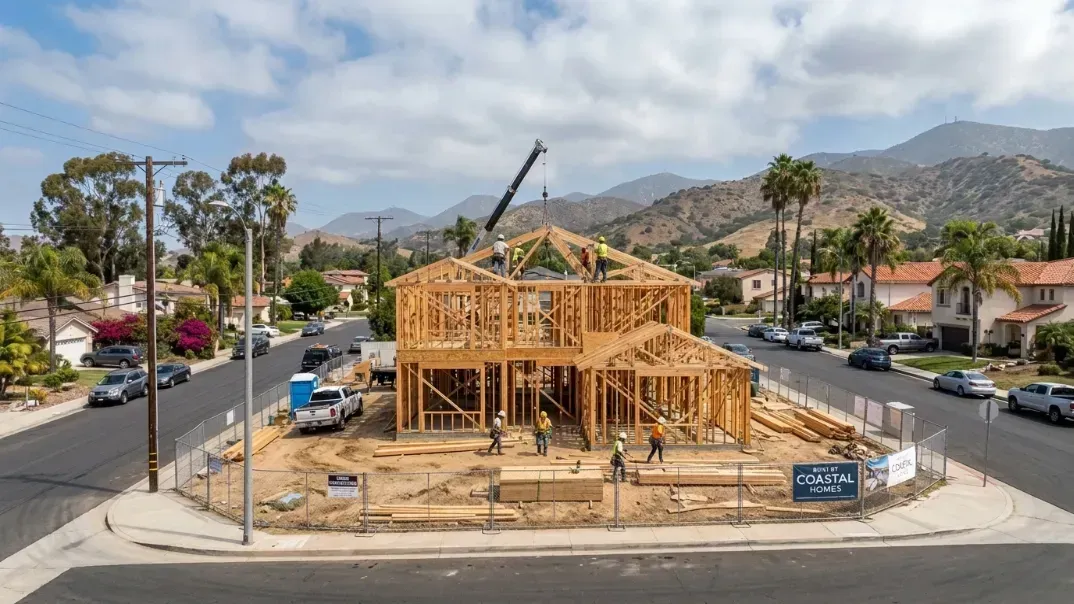
Property development is an inherently local endeavor. Zoning laws, permitting timelines, and environmental regulations vary dramatically by municipality. A lender operating across the country might not understand the specific bureaucratic nuances of building in East Los Angeles CA 90022. This lack of localized knowledge can result in mismatched funding schedules and project delays.
Working with a firm embedded in your immediate geographic area provides a distinct strategic advantage. Local lenders understand regional property value ceilings and neighborhood specific development trends. They also maintain established relationships with local appraisers and inspectors. For homeowners operating in this specific region, utilizing a localized expert like GRO Los Angeles Hard Money Real Estate ensures your funding aligns perfectly with regional municipal timelines. A localized approach reduces friction during the critical early stages of your build.
Selecting the Proper Loan Product for Your Build
Every residential project requires a specific type of capital structure. Attempting to force a generic loan product into a complex development project often leads to immediate capital shortfalls. Understanding the exact financial tools available will help you select a partner equipped to serve your needs.
Dedicated Construction Financing
If you are starting with a vacant lot or planning a complete teardown, you require a product specifically designed for ground up development. These products account for architectural planning, permitting fees, and raw material procurement. You can explore the exact mechanics of these specialized construction loans to understand how the draw schedules will align with your builder.
Renovation and Fix and Flip Capital
Not all projects involve starting entirely from scratch. If you are purchasing an existing distressed property with the intention of performing a massive structural renovation, your funding needs differ. In these scenarios, you require capital that covers both the initial property acquisition and the heavy rehabilitation costs. Specialized fix and flip loans provide the necessary leverage to acquire and transform distressed assets efficiently.
Short-Term Bridge Solutions
Sometimes homeowners experience a gap between the purchase of a new construction site and the sale of their current residence. You might need immediate capital to secure a valuable plot of land before your primary mortgage clears. In these transitional periods, bridge loans offer rapid liquidity. They allow you to seize timely real estate opportunities without waiting for traditional banking approval pipelines to process your application.
Core Criteria for Evaluating a Lending Partner
Selecting the optimal financial institution requires a systematic evaluation of their operational history and internal policies. You should prioritize transparency regarding interest rates, origination fees, and capital release schedules. A reputable lender will provide a clear schedule of values that dictates exactly when and how funds move from their accounts to your contractor.
Communication remains another critical evaluation metric. Construction projects inevitably encounter unforeseen challenges, ranging from supply chain delays to weather disruptions. You need direct access to decision makers who can adjust draw schedules intelligently. Assessing the corporate background and professional history of a firm is essential. Reviewing the about us profile of your prospective lender will reveal their experience level and operational philosophy. The best partners act as financial advisors, helping you navigate structural challenges rather than merely dispersing checks.
Preparing Your Application for Success
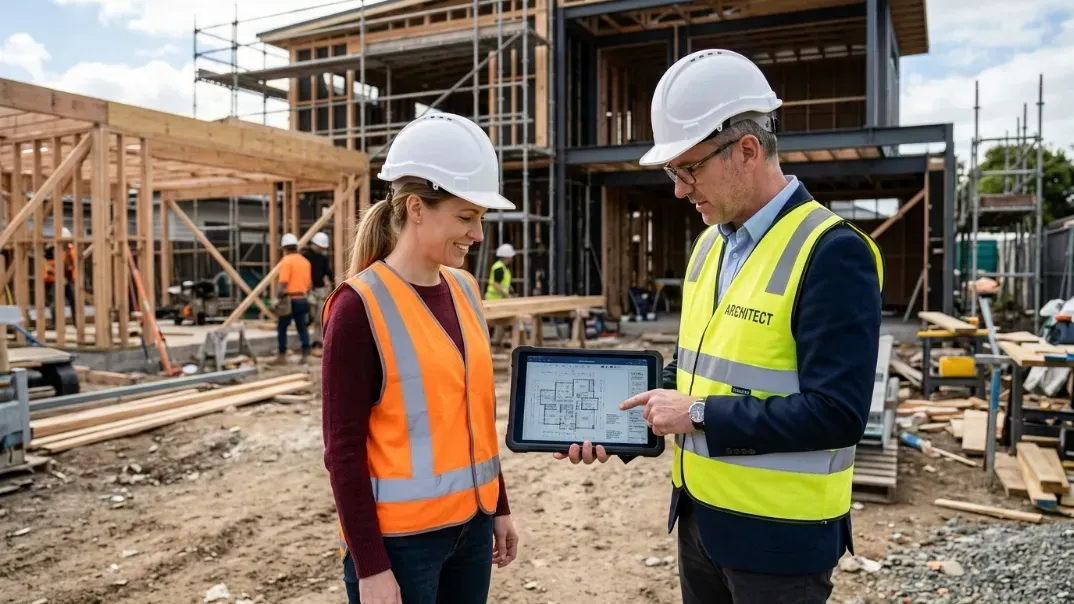
Once you identify a preferred financial institution, preparing a comprehensive application will expedite your approval. Lenders require specific documentation to mitigate their risk exposure. You must provide a highly detailed line item budget prepared by a licensed general contractor. This budget must account for hard costs like lumber and plumbing, alongside soft costs such as architectural fees and municipal permits.
You should also prepare a realistic project timeline. Delays cost money, and lenders want assurance that your contractor can execute the plan efficiently. Supplying a comprehensive portfolio of your contractor's past work can significantly strengthen your application. Ensure your personal financial statements are organized, reflecting adequate liquid reserves to handle unexpected overages. A well prepared borrower commands better terms and faster processing times.
Next Steps for Your Build
Securing the proper funding sets the foundation for your entire residential project. By evaluating localized expertise and demanding transparent communication, you can safeguard your financial interests. If you are ready to discuss your specific 2026 project requirements, we invite you to reach out directly. You can call our team at 323-310-0936 or simply visit our contact page to begin the evaluation process.
Frequently Asked Questions
What dictates the interest rates for construction financing in 2026?
Rates are determined by the broader macroeconomic environment, the specific loan to value ratio of your project, and your personal credit history. Because these products carry higher initial risk than traditional mortgages, the rates generally sit slightly higher during the building phase.
How do draw schedules actually work during a custom build?
A draw schedule is a predetermined timeline for releasing capital. When your builder completes a specific milestone, such as finishing the roof, an inspector verifies the work. The financial institution then releases the exact funds allocated for that specific phase directly to you or the builder.
Can I transition my development loan into a permanent mortgage?
Many financial institutions structure these products to convert into standard permanent mortgages once the property receives a certificate of occupancy. This structure minimizes closing costs and streamlines the transition from the building phase to long term homeownership.