East Los Angeles Construction Loans: Financing Solutions for Real Estate Investors
You can’t fake it in East Los Angeles. Drive down Whittier Boulevard or cruise past the bustle of the Golden Gate Theater, and you see a market that is raw, resilient, and rapidly appreciating. For developers, this isn't just another zip code. It’s a battlefield of opportunity. But finding the right financing here? That’s where most projects die on the vine. Traditional banks don’t get it. They see an older property near the 710 freeway and get nervous. They bury you in paperwork while your option period expires. You need speed. You need a partner who understands that real estate in East LA is about vision, not just checkboxes.
If you are looking to break ground in this historic pocket of Los Angeles County, you need construction financing that moves as fast as the market.

The East LA Reality: Why Local Expertise Matters
East Los Angeles is unique. Unlike the incorporated city limits, much of this area falls under Los Angeles County jurisdiction. This distinction matters. It changes how you pull permits, how you handle zoning variances, and how quickly you can pour concrete. An out-of-town lender won't know that. They won't understand the density requirements near the Gold Line stations or the specific value of a multi-generational ADU (Accessory Dwelling Unit) in Maravilla.
Successful real estate investment here requires navigating the Los Angeles County Department of Regional Planning. The zoning codes are specific. If your capital partner is waiting for a corporate committee in New York to approve a draw because they don't understand the local setbacks, you are losing money.
This is where GRO Los Angeles Hard Money Real Estate separates itself from the pack. We don't just lend; we understand the dirt. We know that a duplex off Atlantic Blvd has a different exit strategy than a commercial refit near the Citadel. Context is cash.
Construction Loans vs. Traditional Mortgages
Let’s cut to the chase. You cannot use a standard 30-year mortgage to build a fourplex. It doesn't work. Construction loans are short-term, higher-interest bridge instruments designed to get you from "before" to "after."
Here is the flow. You buy the land or the teardown. You secure a construction loan. The lender covers a portion of the land cost and 100% of the construction costs, released in stages. These stages are called "draws." You pay interest only on the money you have actually used. Once the Certificate of Occupancy is issued, you refinance into a permanent loan or sell the property for a profit.
It sounds simple. It rarely is. Construction is messy. Costs overrun. Timelines slip. According to the U.S. Census Bureau’s construction spending data, material costs fluctuate wildly month to month. A rigid lender will freeze your funds if you go over budget on lumber. A flexible hard money partner looks at the equity and the end value. They work with you to finish the job.
The "Hard Money" Advantage in Construction
Why choose hard money for construction? Two words: Speed and flexibility. Banks are obsessed with your tax returns from two years ago. Hard money lenders are obsessed with the asset. The deal itself. When you are competing for a distressed property in East LA, you are often up against cash buyers. If you tell a seller, "I need 60 days to close because Wells Fargo is reviewing my DTI," you will lose. Every time.
GRO Los Angeles Hard Money Real Estate provides the liquidity you need to compete with cash. We look at the After Repair Value (ARV). If the numbers make sense, we fund. We don't care if you had a rough year in 2020. We care about the value of the real estate you are building today.
Key Metrics We Analyze
We look at the deal through a developer's lens. Here is what matters:
- Loan-to-Cost (LTC): The percentage of the total project cost we will fund. High LTC means less cash out of your pocket.
- After Repair Value (ARV): What the property is worth once the paint is dry and the landscaping is in.
- Exit Strategy: How do we get paid back? Sale? Refinance? We need a clear path.
Navigating the "Missing Middle" Housing Crisis
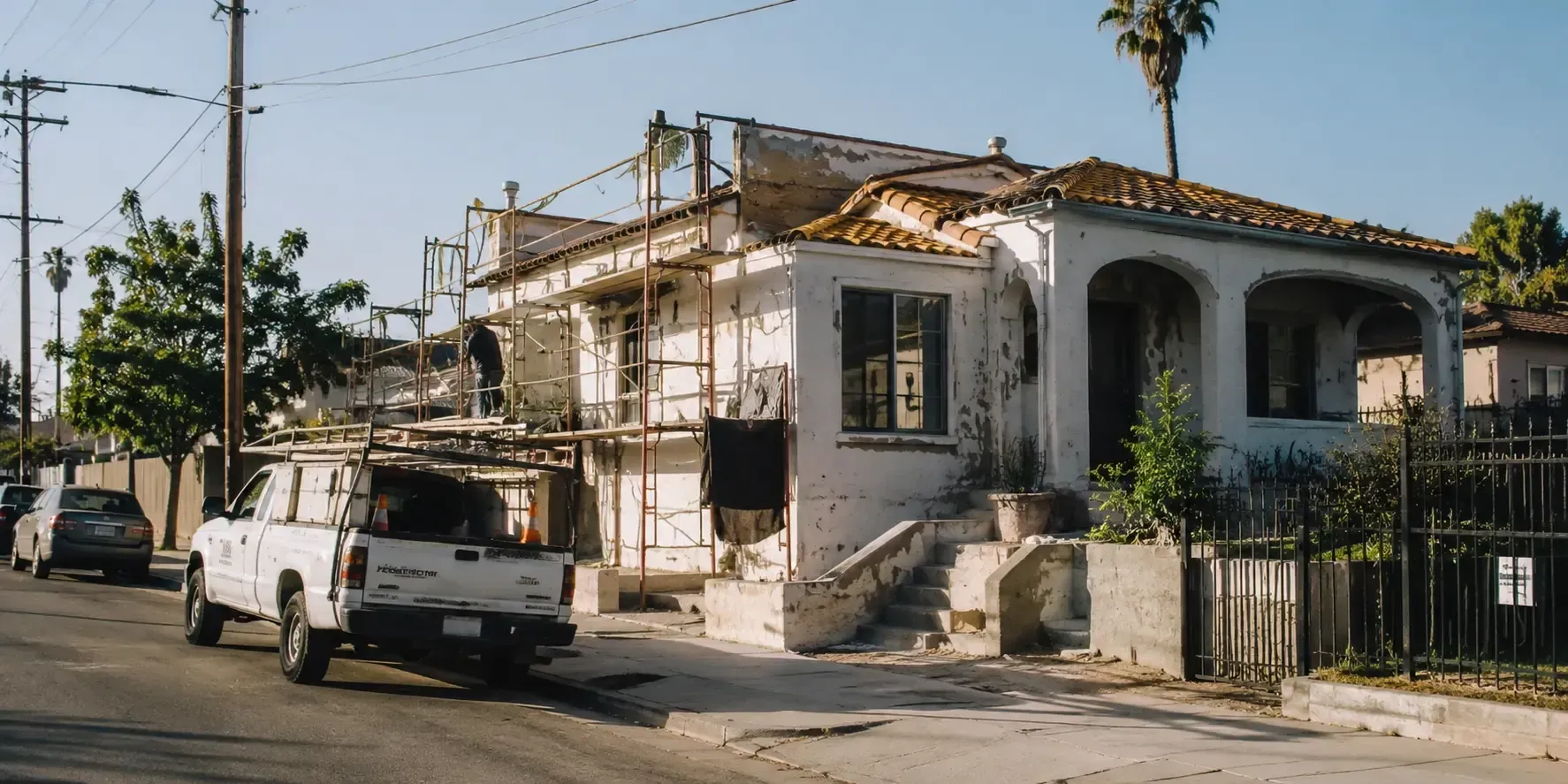
East Los Angeles is ground zero for the "missing middle" housing crisis. There is a massive shortage of medium-density housing—duplexes, triplexes, and townhomes. This is the sweet spot for investors. The California Department of Housing and Community Development has pushed aggressively for more density. Laws like SB 9 allow for lot splits and more units on single-family parcels. This is a gold mine for savvy investors. You can take a standard lot in East LA, tear down a dilapidated shack, and build two pristine units with ADUs.
But ground-up construction is expensive. It is capital intensive. You need a war chest. Financing these infill projects requires a lender who sees the vision. Traditional banks are often years behind the legislative curve. They see "high risk" where we see "high demand." GRO Los Angeles Hard Money Real Estate is actively funding these types of infill projects because we know the demand for housing in Los Angeles is insatiable.
The Application Process: What You Need
Stop wasting time gathering paperwork that doesn't matter. To get a construction loan moving in East LA, focus on the package. A sloppy presentation gets a quick "no." A professional package gets a term sheet.
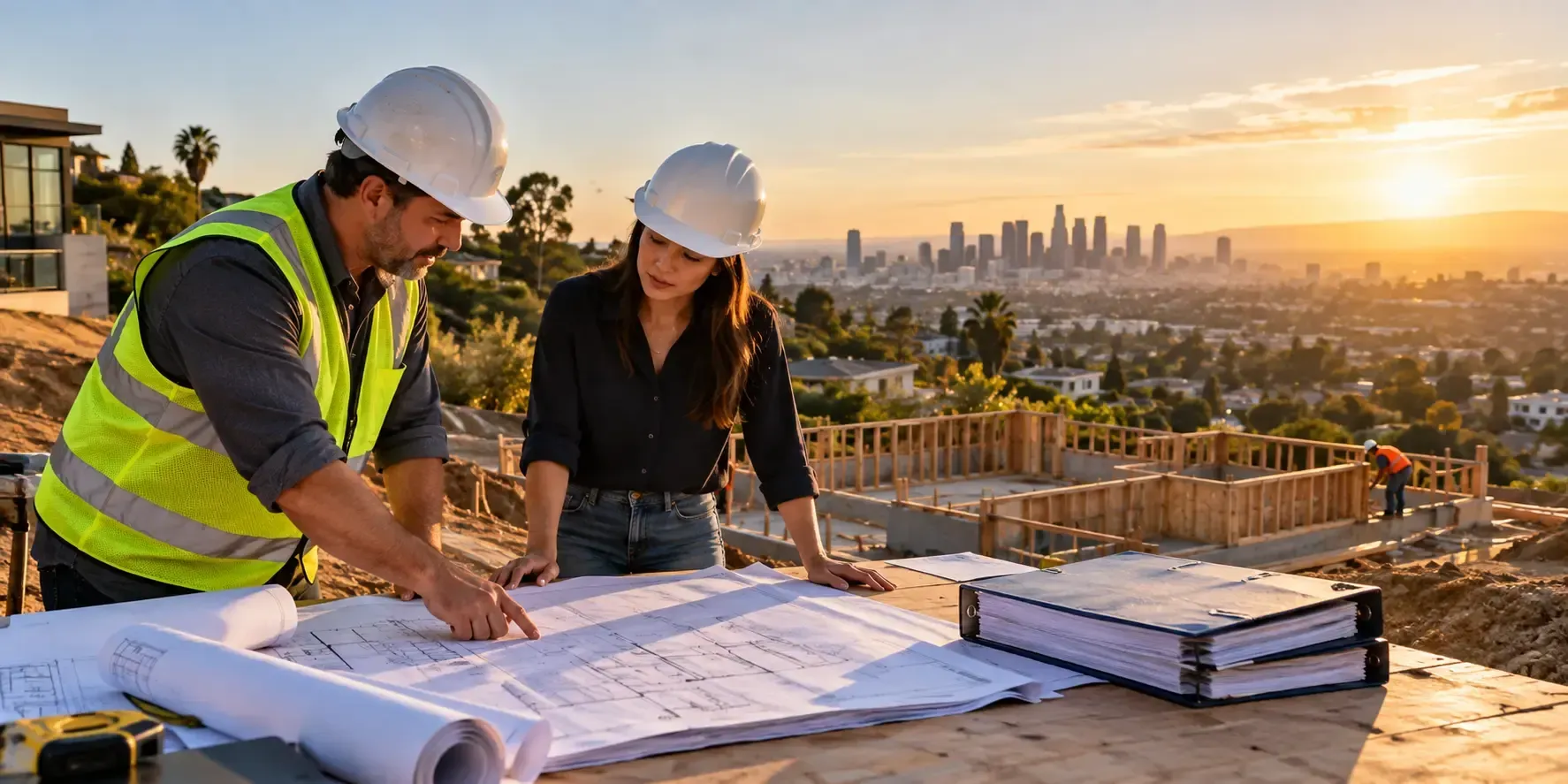
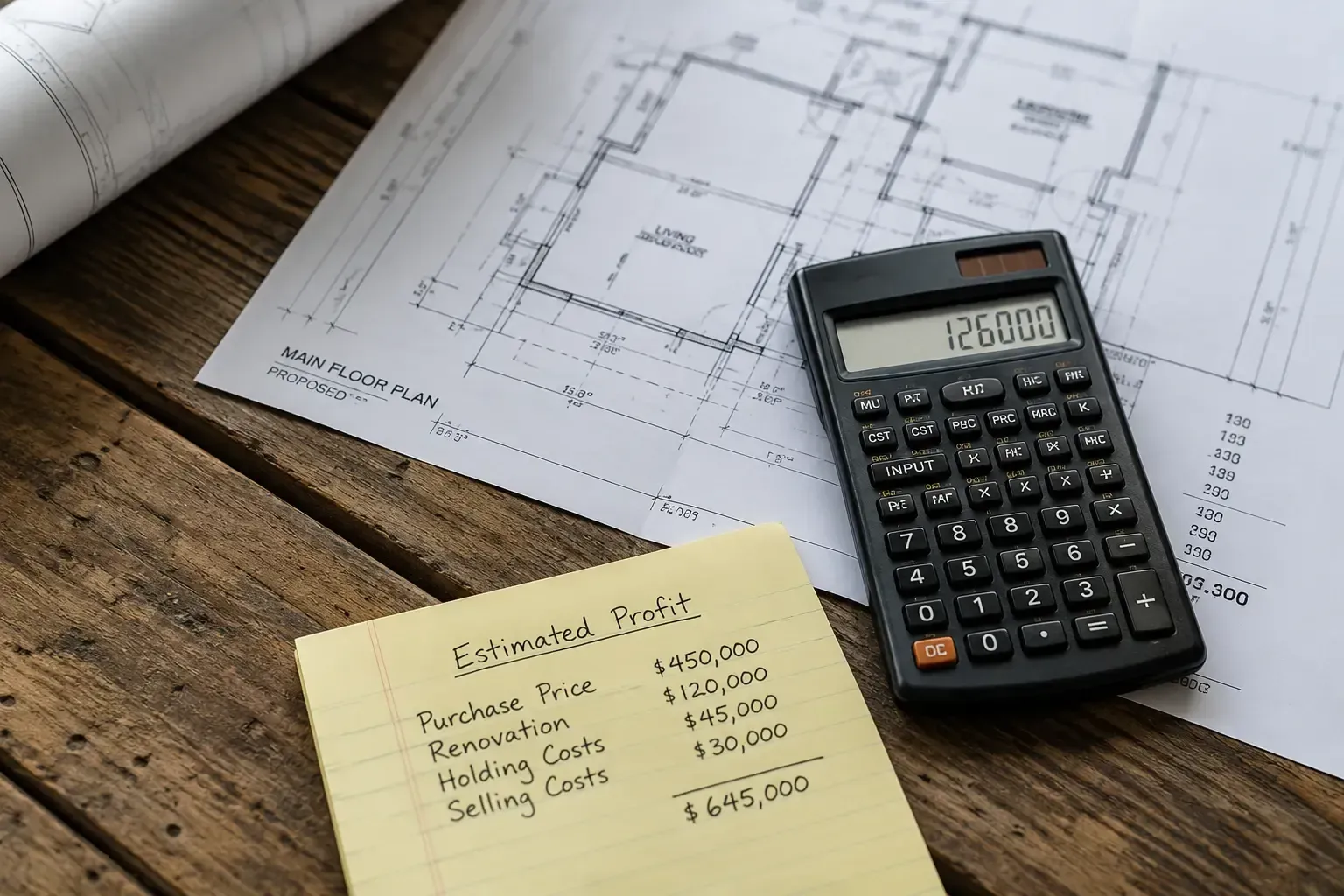
Prepare a detailed Scope of Work. Don't guess. Get quotes. If you say a roof costs $5,000 and it actually costs $15,000, you lose credibility immediately. Use data from sources like RSMeans to validate your estimates. Show us the architectural plans. Show us the timeline. Who is your General Contractor? Have they built in East LA before?
We verify the real estate value, we verify the budget, and we verify the team. If those three align, we move. It’s that transaction-focused.
Why GRO Los Angeles Hard Money Real Estate?
There are plenty of lenders. Most are just brokers shopping your deal to a hedge fund in Connecticut. We are different. We are local. We know the difference between Boyle Heights and East LA. We know the value of a view from the hills versus a flat lot near the commerce center.
We structure loans that protect your cash flow. Interest reserves? We can do that. fast draw processing? Absolute requirement. We treat our borrowers like partners because, in a construction loan, we are partners. If you fail to finish, we both lose. If you succeed, we both win, and you come back for the next deal.
The market in Los Angeles is unforgiving. It rewards the bold and punishes the hesitant. Don't let a slow bank kill your deal. Secure the capital you need to execute your vision.
Common Pitfalls to Avoid
Novice developers often crash on the rocks of "soft costs." They budget for lumber and labor but forget about architectural fees, permits, school fees, and utility hookups. In Los Angeles County, these can run into the tens of thousands. Always carry a contingency fund. A 10% contingency is standard; 15% is safer.
Another killer is the "change order." You change the tile in the bathroom. Then you move a wall. Suddenly, the schedule is delayed by three weeks and the budget is blown. Stick to the plan. Discipline is the most valuable asset in real estate development.
Frequently Asked Questions
What is the typical down payment for a construction loan in East LA?
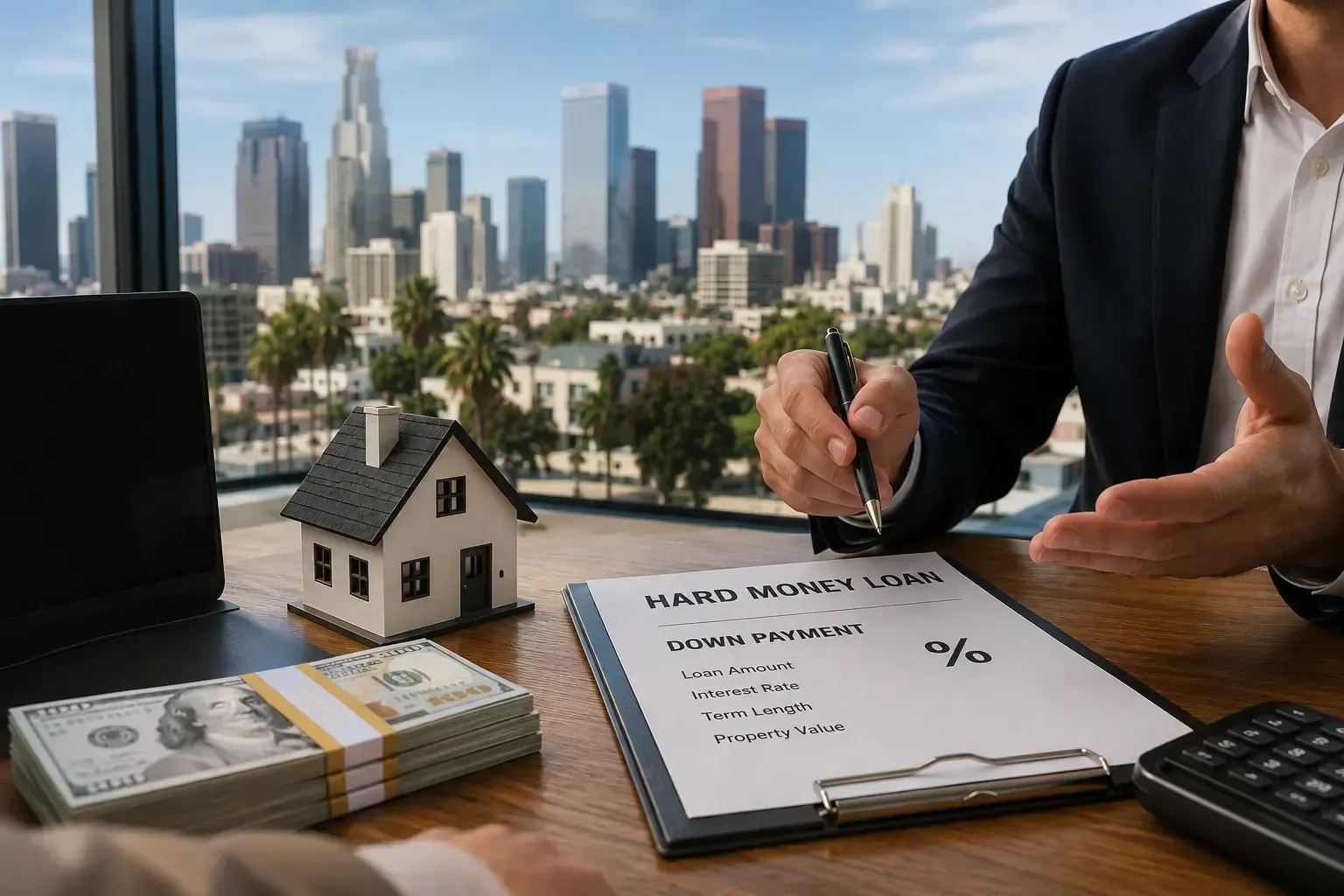
Most private construction lenders require the borrower to have "skin in the game." This typically translates to 20% to 30% of the total project cost. However, if you own the land free and clear, that equity can often serve as your down payment, allowing for 100% financing of the vertical construction costs.
How fast can GRO Los Angeles fund a construction loan?
While traditional banks take 60 to 90 days, hard money construction loans can close in as little as 10 to 14 days, provided the borrower has a clear title, a detailed scope of work, and approved plans. Speed is the primary benefit of private capital.
Can I use a construction loan for an ADU in East Los Angeles?
Yes. Accessory Dwelling Units (ADUs) are a primary focus for many investors in East LA. Construction loans are ideal for covering the costs of building a detached ADU or a garage conversion, significantly increasing the property's rental income and overall value.
Do I pay interest on the full loan amount immediately?
No. With a construction loan, you typically pay interest only on the funds that have been drawn (disbursed). This is known as "Dutch Interest." This structure keeps your monthly carrying costs lower during the early phases of construction before the property generates income.
What happens if construction costs go over budget?
If costs exceed the budget, the borrower is responsible for covering the difference, usually out of pocket. This is why having a substantial contingency fund (10-15%) within the initial loan budget is critical for the safety of both the borrower and the lender.