Mortgage Refinance Loans: Unlock Savings on Your Home Loan Today
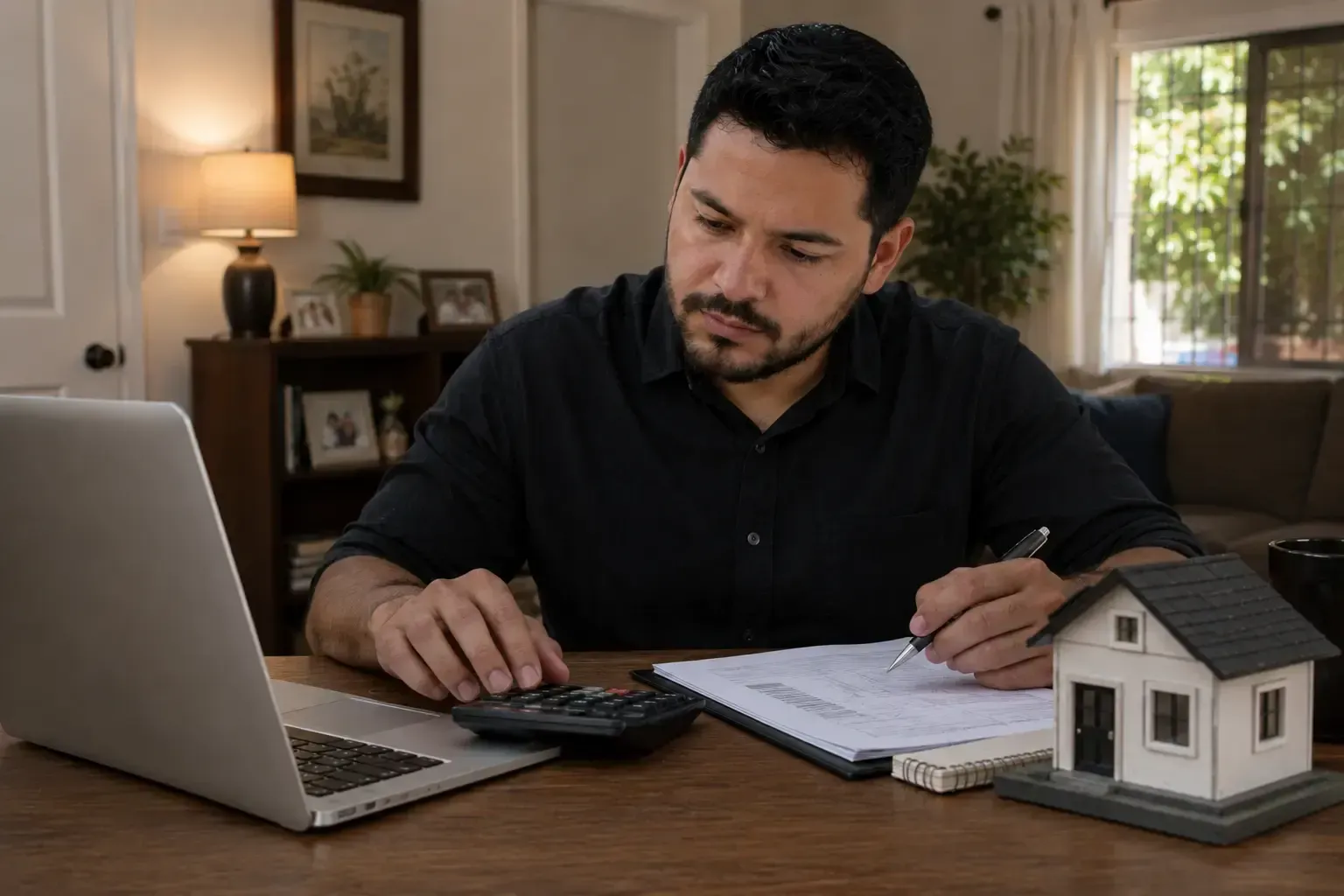
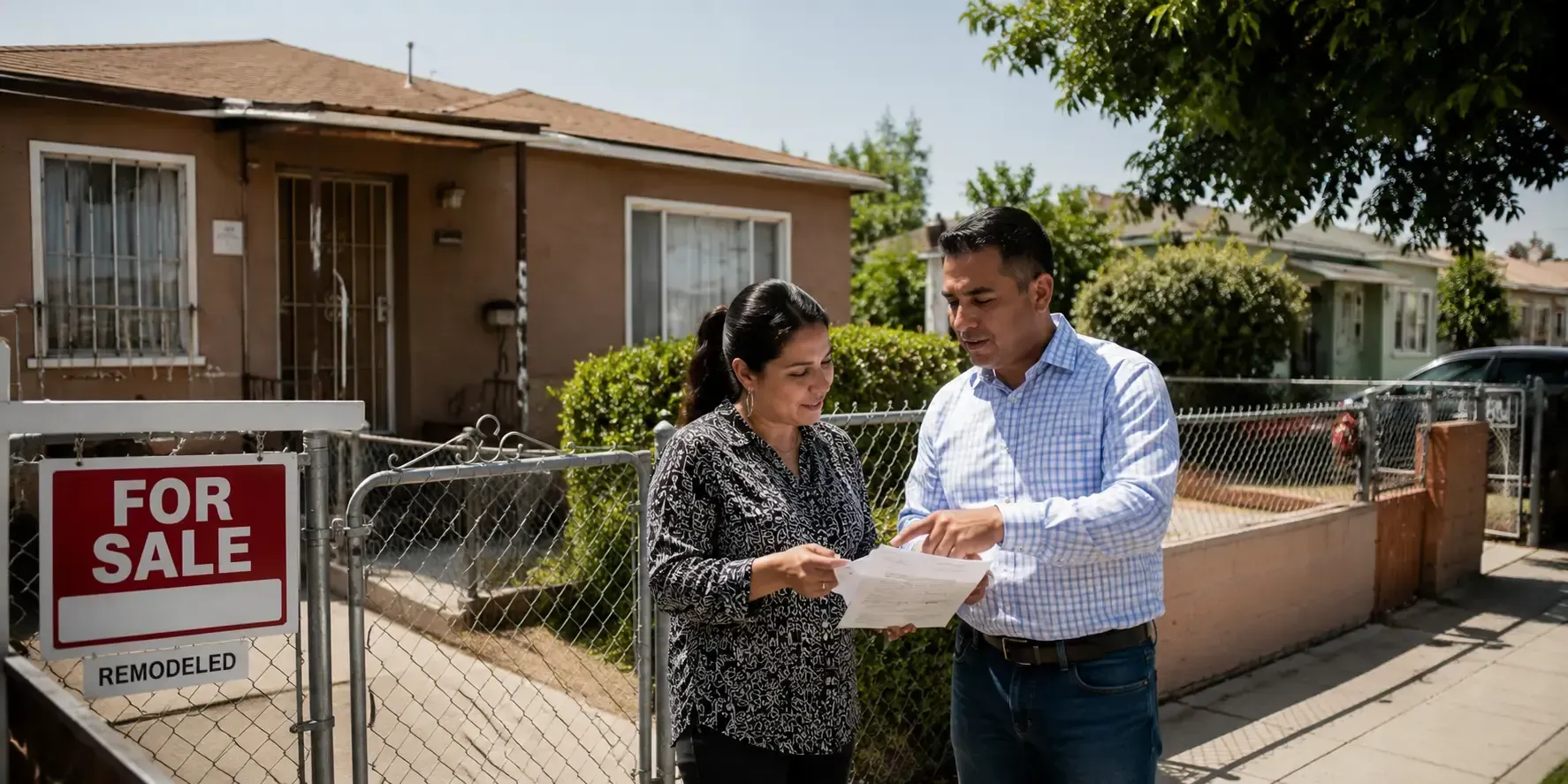
Are you a homeowner watching interest rates fluctuate and wondering if you're getting the best deal on your mortgage? You're not alone. Many homeowners could be saving a significant amount of money each month through mortgage refinance loans. This process might sound complex, but it's essentially replacing your current home loan with a new one that offers better financial terms. Here at GRO Los Angeles Hard Money Real Estate, we believe in empowering homeowners with the knowledge to make smart financial decisions. Let's explore how a home loan refinance can put more money back in your pocket.
What is a Mortgage Refinance and How Does It Work?
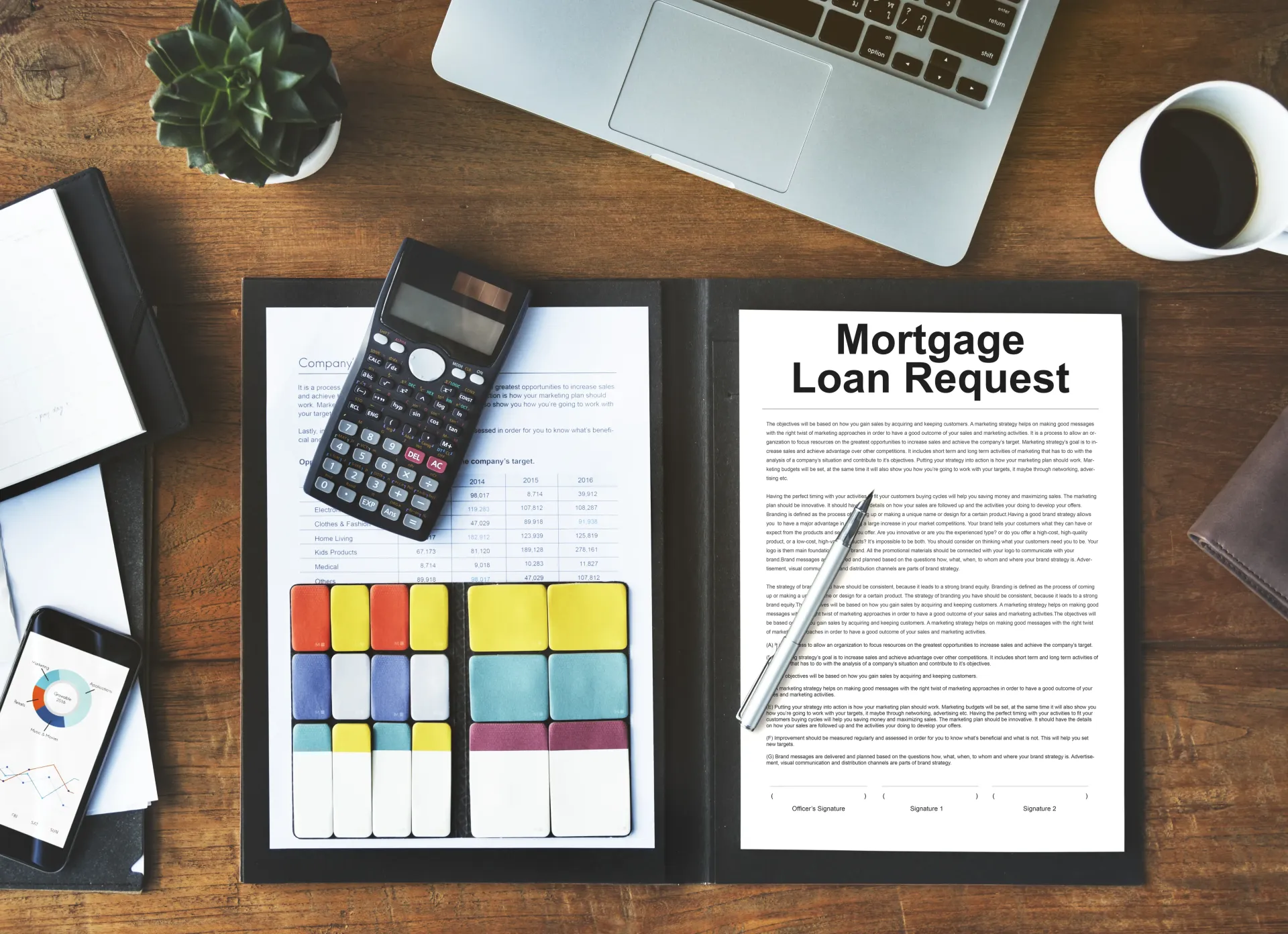
A mortgage refinance is the process of taking out a new loan to pay off your original mortgage. The new loan will have different terms, potentially including a lower interest rate, a shorter or longer loan term, or a change from an adjustable-rate to a fixed-rate mortgage. The primary goal for most people is to save money, either on a monthly basis or over the total life of the loan.
The process is similar to when you first applied for your mortgage. It involves an application, a credit check, and an appraisal of your home to determine its current market value. Your lender will review your financial standing, including your income, assets, and debts, to approve the new loan.
Top Reasons to Consider a Home Loan Refinance
Homeowners choose to refinance for various reasons, all centered around improving their financial situation. Here are some of the most common motivations:
- Secure a Lower Interest Rate: This is the most popular reason for refinancing. If market interest rates have dropped since you got your original loan, you could significantly reduce your monthly payment and the total interest paid over time.
- Shorten Your Loan Term: If your financial situation has improved, you might be able to switch from a 30-year to a 15-year loan. While your monthly payments may increase, you'll pay off your home much faster and save a substantial amount in interest.
- Convert from an ARM to a Fixed-Rate Mortgage: An adjustable-rate mortgage (ARM) can be unpredictable. Refinancing to a fixed-rate mortgage provides the stability of a consistent interest rate and monthly payment for the life of the loan.
- Tap Into Home Equity: A cash-out refinance allows you to borrow against the equity you've built in your home. You receive a lump sum of cash that can be used for home improvements, debt consolidation, or other large expenses.
- Eliminate Private Mortgage Insurance (PMI): If you initially put down less than 20%, you are likely paying PMI. Once you have sufficient equity, refinancing can help you get rid of this extra monthly cost.
Is Now a Good Time for a Mortgage Refinance?
The decision to refinance depends heavily on current interest rates and your personal financial situation. While it's impossible to perfectly time the market, keeping an eye on economic trends is beneficial. Generally, if you can lower your current interest rate by at least one to two percent, refinancing is worth considering.
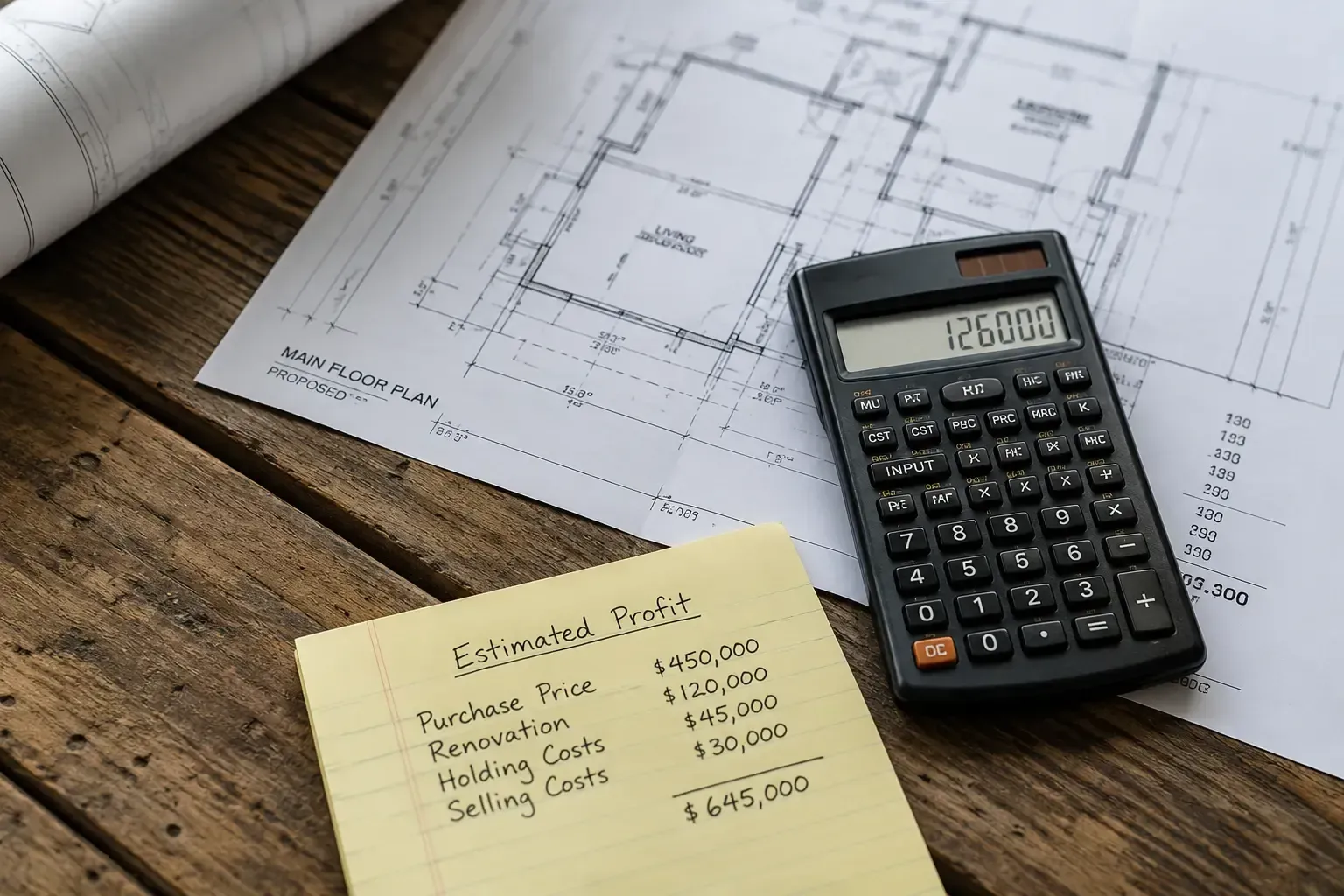
It's also crucial to calculate your break-even point. This is the point at which the savings from your new loan have covered the closing costs. Closing costs for a refinance typically range from 2% to 6% of the new loan amount. If you plan to stay in your home long enough to pass this break-even point, a refinance is likely a sound financial move.
The Refinancing Process: A Simple Overview
While it may seem daunting, the refinancing process can be broken down into a few manageable steps:
- Define Your Goals: Determine what you want to achieve, whether it's a lower payment, shorter term, or cash out.
- Check Your Credit: Your credit score is a major factor in the interest rate you'll be offered.
- Gather Your Documents: You'll need documents like pay stubs, tax returns, and bank statements.
- Shop Around: Compare offers from multiple lenders to ensure you get the best deal.
- Lock in Your Rate: Once you've chosen a lender, you can lock in your interest rate.
- Underwriting and Appraisal: The lender will verify your information and have your home appraised.
- Closing: You'll sign the final paperwork, and your new loan will pay off your old one.
Embarking on a mortgage refinance journey can lead to substantial savings and greater financial freedom. At GRO Los Angeles Hard Money Real Estate, we're committed to helping you navigate your options. If you're considering a home loan refinance and want to explore the possibilities, don't hesitate to reach out. Contact us today at 323-310-0936 to speak with one of our experts and start saving more on your home loan.
Frequently Asked Questions
What are the closing costs for a mortgage refinance?
Closing costs for a refinance typically range from 2% to 6% of the total loan amount. These can include fees for the appraisal, title search, and loan origination. You can often roll these costs into the new loan, but it's important to understand how that will impact your total loan balance and monthly payments.
How much equity do I need to refinance?
Generally, lenders prefer you to have at least 20% equity in your home to refinance, especially if you want to avoid paying Private Mortgage Insurance (PMI). For a cash-out refinance, the amount of equity you have will directly impact how much cash you can take out.
Will refinancing hurt my credit score?
When you apply for a refinance, the lender will perform a hard credit inquiry, which can cause a temporary, small dip in your credit score. However, as you make on-time payments on your new loan, your score should recover and can even improve over the long term.