Outside the Box Financing: How Investors Profit From Deals Traditional Lenders Avoid
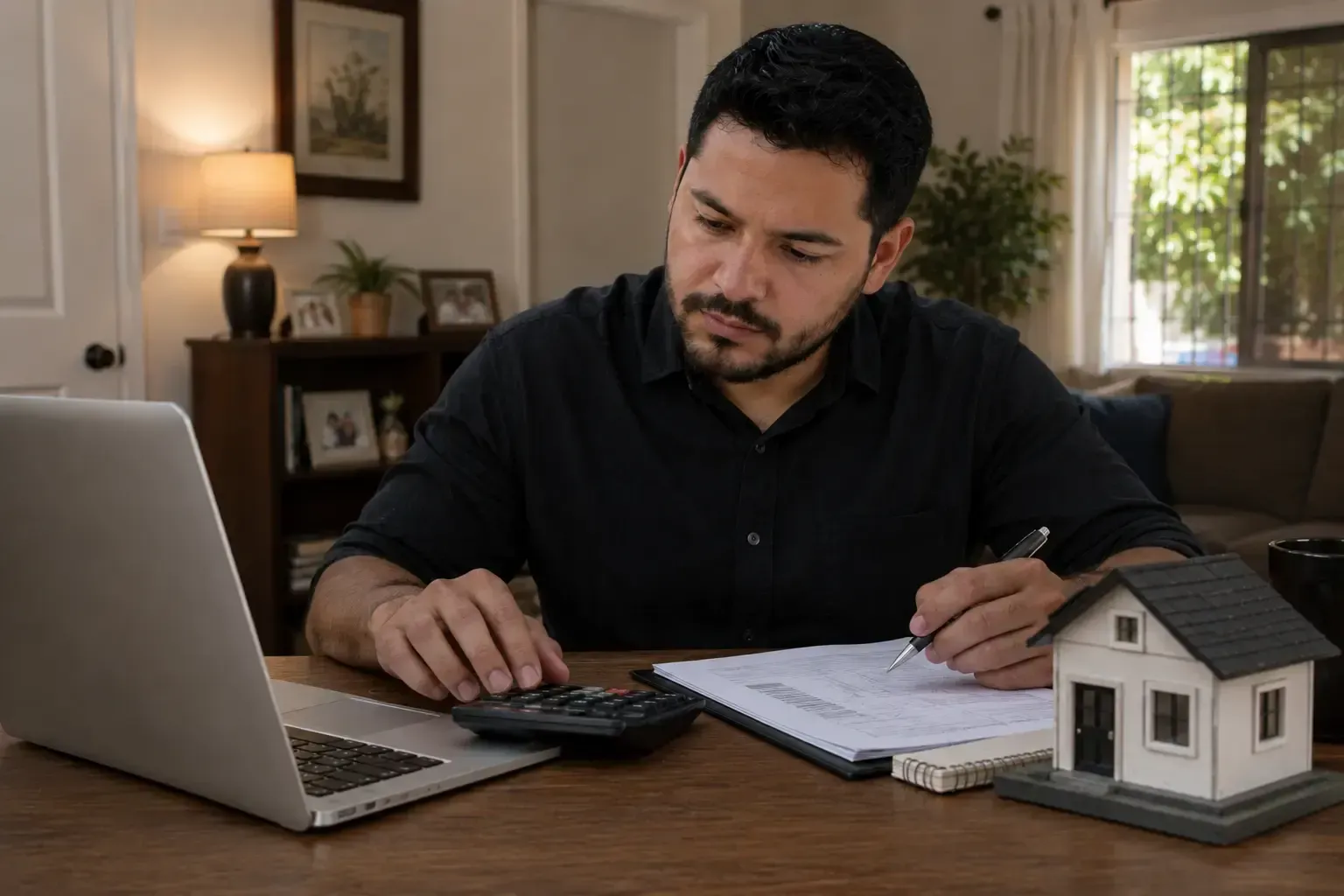
The bank just killed your deal. Again. You spent three weeks courting a loan officer, submitted two years of tax returns, and provided a stack of bank statements thick enough to stop a bullet. Then the email arrived. The property’s condition is "unsatisfactory." Or perhaps your debt-to-income ratio is off by a fraction of a percentage. Whatever the excuse, the result is the same: you lost the property to a cash buyer who closed in seven days. This is the reality of the modern real estate market. If you rely on traditional institutions, you are fighting with one hand tied behind your back.
To win, you have to stop thinking like a consumer and start thinking like a predator. Real estate investing is a game of speed, certainty, and specialized capital. Traditional lenders are built for stability, not profit. They want 30-year commitments from people with W-2 jobs and perfect credit. They don't understand the value of a fire-damaged triplex in Silver Lake or a mid-century fixer-upper in the Valley. That is where a hard money loan becomes your most potent weapon. It isn't just a loan; it is a strategic tool designed to bypass the bureaucratic red tape that strangles most investors.

Why Conventional Banks Hate Your Best Ideas
Banks are risk-averse by design. They operate under a mountain of federal regulations that dictate exactly who they can lend to and what types of collateral they can accept. When you walk into a big-box bank, you aren't talking to a decision-maker. You are talking to a middleman who checks boxes on a screen. If the box for "Property Condition" isn't checked "Excellent," the computer says no. They view a property that needs a kitchen remodel as a liability. A professional investor views it as a gold mine.
This disconnect creates a massive opportunity for those who know how to navigate the world of private capital. While the average buyer is waiting for an appraisal that might take three weeks, the savvy investor is working with hard money lenders who focus on the asset, not just the borrower’s credit score. At GRO Los Angeles Hard Money Real Estate, we see what the banks don't. We see the "after-repair value" (ARV). We see the potential for a forced appreciation play that can net six figures in six months. You can see how we structure these deals on Our Homepage.
Speed is the ultimate currency in real estate. Sellers are often motivated by factors other than the highest price. They might be facing foreclosure, dealing with an inheritance they don't want, or simply needing to move across the country for a new job. In these scenarios, the buyer who can close in ten days wins—even if their offer is lower than the buyer who needs forty-five days for a conventional mortgage. Hard money provides that speed. It turns you into a cash-equivalent buyer.
The Anatomy of a High-Speed Hard Money Loan
What exactly is a hard money loan? Strip away the jargon and it’s simple: it is a short-term loan secured by real estate. Unlike a mortgage from a bank, which is based heavily on your personal income and credit history, hard money is asset-based. The lender cares primarily about the value of the property and your plan to improve it. This shift in focus changes everything. It means you can get funded even if you have a recent bankruptcy, or if you are self-employed and don't show much taxable income on your returns.
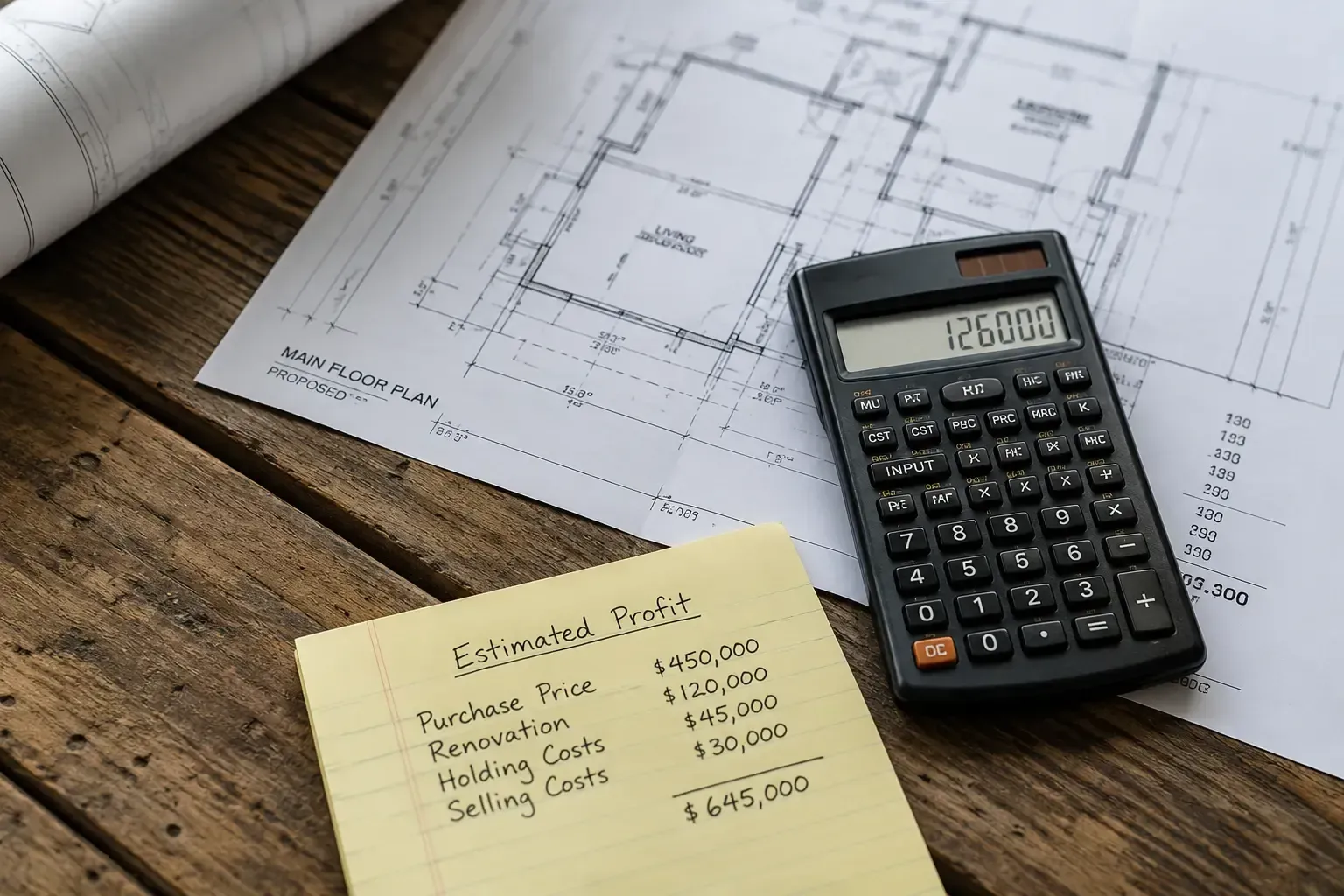
The terms are different, too. You aren't looking for a 30-year fixed rate. You are looking for a bridge. Most hard money loans have terms ranging from six to twenty-four months. The interest rates are higher than conventional loans, but that is the wrong metric to focus on. You shouldn't care about the interest rate; you should care about the profit margin of the deal. If a loan costs you $20,000 in interest but allows you to make $100,000 in profit on a flip you otherwise couldn't have bought, the loan was a bargain. It’s an acquisition cost, not a long-term debt burden.
Working with professional hard money lenders means you are working with partners who understand the local market. They know which neighborhoods are appreciating and which ones are stagnant. They can act as a second set of eyes on your numbers. If a hard money lender won't fund your deal, there’s a good chance the deal isn't as good as you think it is. They are incentivized to ensure the project is viable because the property is their only security. You can find a breakdown of how we evaluate these assets on Our Main Services page.
The "As-Is" Problem and the Private Solution
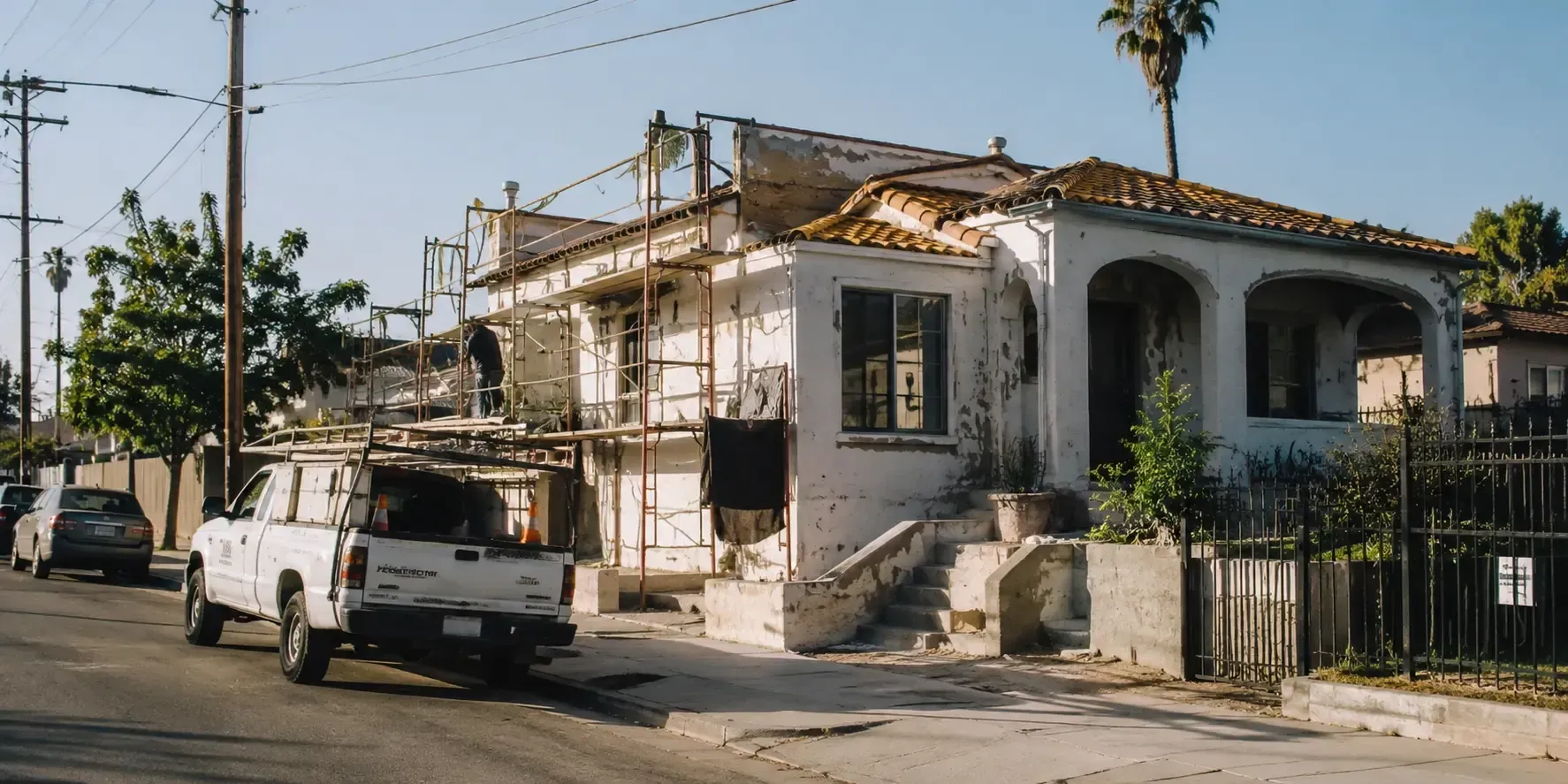
Traditional lenders have a strict definition of "habitable." If a house doesn't have a working stove, a functioning HVAC system, or if it has visible signs of roof damage, it is deemed unloanable. For a bank, these are "distressed assets." For an investor, these are "value-add opportunities." The bank’s refusal to lend on these properties creates a floor for the price. Because most people can't get a loan, the pool of buyers is limited to those with cash or private financing. This lack of competition is where the profit lives.
By using a hard money loan, you can purchase these distressed properties, fund the renovations, and then either sell for a profit or refinance into a long-term, lower-interest loan once the property is in "habitable" condition. This is the core of the BRRRR method (Buy, Rehab, Rent, Refinance, Repeat). You use the expensive, fast money to acquire and fix the asset, then use the cheap, slow money to hold it for the long term. You can't start that process without the initial "outside the box" financing.
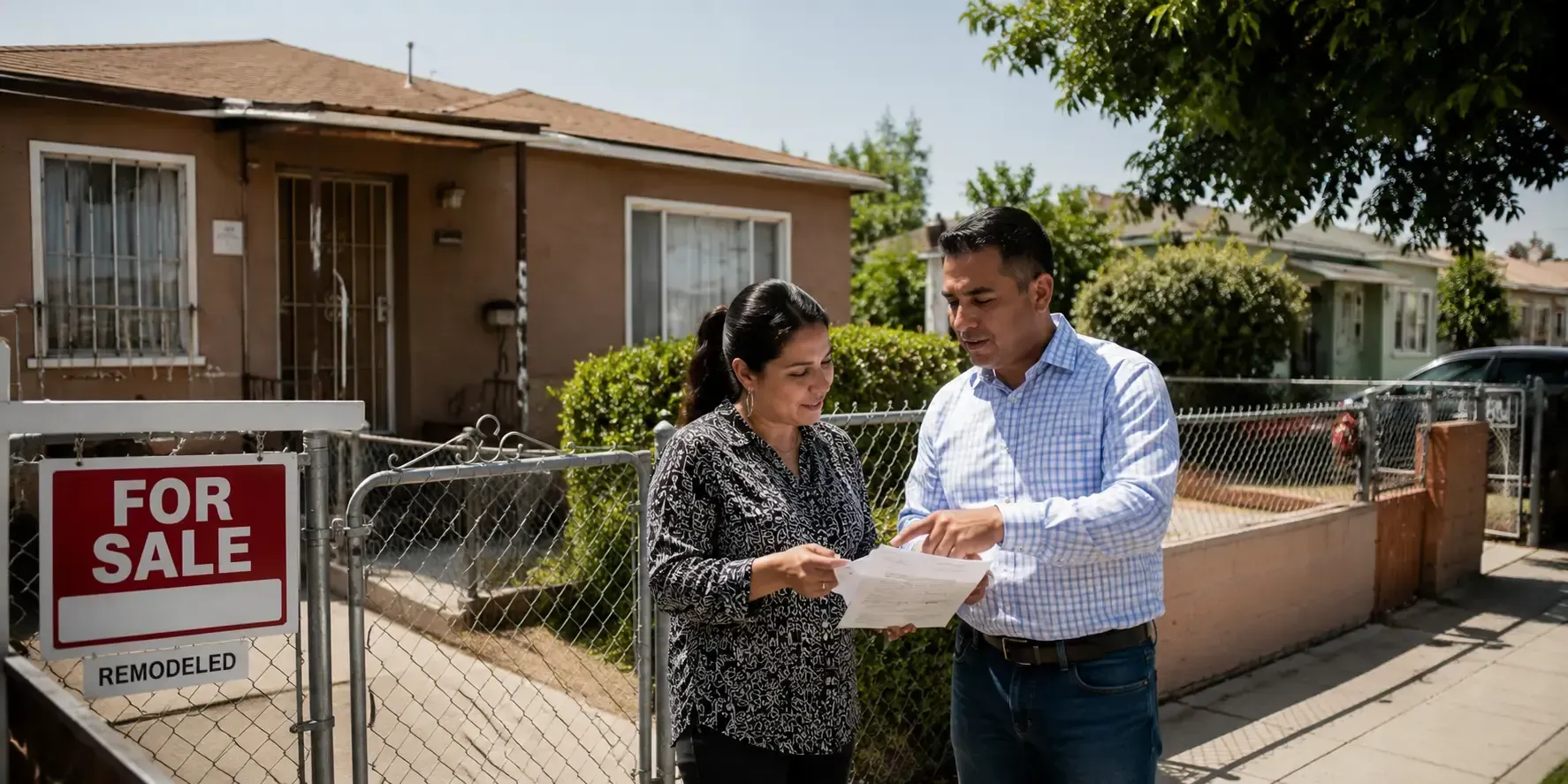
Consider the "Fix and Flip" model. An investor finds a rundown bungalow in a gentrifying area. The purchase price is $500,000, but it needs $100,000 in work. A bank won't touch it. The investor uses a hard money lender to cover 80% of the purchase and 100% of the renovation costs. Within four months, the house is gorgeous and sells for $850,000. After paying back the loan, interest, and closing costs, the investor walks away with a massive return on their initial capital. Without the hard money, that house would still be a neighborhood eyesore, and the investor would still be looking at listings on their laptop.
Finding Hard Money Lenders That Actually Close
Not all lenders are created equal. The market is full of "brokers" who claim to have money but are really just shopping your deal to other people, adding fees at every step. You need to work with direct lenders. You need people who have their own capital and make their own decisions. When you talk to a potential lender, ask them: "Do you service your own loans?" and "How quickly can you issue a proof of funds letter?"
At GRO Los Angeles, we pride ourselves on being a direct source of capital for the Southern California market. We don't send your file to a committee in another state. We know Los Angeles because we live here. We understand the nuances of different zip codes, from the coastal breeze of Santa Monica to the hills of Echo Park. You can learn more About Us and our commitment to the local investing community. We aren't just a bank; we are a part of your team.
The right lender should be transparent about their fees. Look for "points" (prepaid interest) and "origination fees." While these can seem high compared to a mortgage, they are the price of admission for speed and flexibility. A good lender will also help you structure the deal. Sometimes, a deal that looks mediocre can become a home run with the right draw schedule for construction funds. You want a lender who wants you to succeed so you can do ten more deals with them next year.
The Opportunity Cost of Playing it Safe
The biggest risk in real estate isn't the interest rate on a loan. It is the cost of the deals you didn't do. Most people are terrified of "high" interest rates. They stay on the sidelines waiting for rates to drop or for a bank to finally approve them. Meanwhile, the market moves. Prices go up. Other investors are snatching up the inventory. If you wait six months for a bank to approve a 6% loan, but the property value goes up 10% in that time, you’ve actually lost money by waiting.
A hard money loan allows you to strike while the iron is hot. It allows you to take down multiple projects at once. If you have $200,000 in cash, you could buy one property outright. Or, you could use that $200,000 as down payments for four different properties using hard money financing. By utilizing your capital across multiple assets, you diversify your risk and quadruple your potential upside. This is how small-scale flippers become large-scale developers.
The math is simple. If you can earn a 20% return on your capital in four months, you can do that three times a year. That is a 60% annualized return. A conventional bank will never give you the speed required to execute that strategy. They are too busy verifying your high school transcripts (okay, maybe not that bad, but it feels like it). If you are ready to stop waiting and start winning, it is time to Contact Us to discuss your next project.
Common Pitfalls to Avoid with Private Capital
While hard money is a powerful tool, it isn't magic. It requires discipline. Because the money is expensive, you must have a clear exit strategy. You should never take a hard money loan without knowing exactly how you are going to pay it back. Are you selling the property? Are you refinancing? Do you have a backup plan if the market dips? A professional investor always has a Plan B and a Plan C.
Another mistake is underestimating the cost of repairs. Many hard money lenders will fund a portion of the renovation, but they do it through "draws." This means you have to complete the work first, then get reimbursed. You need enough liquidity to cover the first phase of construction. If you run out of cash halfway through a project, you are in a dangerous spot. Always over-budget for both time and money. If you think a kitchen will cost $20,000 and take three weeks, budget $25,000 and five weeks.
Finally, don't fall for the "lowest rate" trap. Some lenders will quote you a low interest rate to get you in the door, then hit you with massive "junk fees" at the closing table. Or worse, they might not have the funds to close when the time comes. In this business, a "cheap" loan that doesn't fund is the most expensive loan of all. Trust and reliability are worth more than a half-point on the interest rate. Work with established hard money lenders who have a track record of performance.
Psychology of the "Outside the Box" Investor
To succeed with non-traditional financing, you have to shed the "borrower" mindset. You aren't asking for a favor. You are offering a lender a secured investment opportunity. This shift in perspective allows you to negotiate from a position of strength. You are a business owner. Your business is finding and improving real estate. Your lender is your capital partner. When you approach the relationship this way, you find that doors open much faster.
This mindset also helps you see deals where others see problems. That house with the foundation issues? That’s a $50,000 discount if you have a contractor who can fix it for $20,000. The bank won't lend on it because they can't quantify the risk. You can. The hard money loan is the bridge that connects your specialized knowledge with the capital required to execute. It’s about calculated risk, not gambling.
Real estate is a contact sport. You need to be in the trenches, making offers, and talking to sellers. You can't do that if you are stuck in an office filling out 50-page loan applications for a bank that might say no anyway. Use private capital to free up your time. Focus on what you do best—finding deals—and let the specialists handle the financing. It is the only way to scale in a competitive market like Los Angeles.
The Future of Real Estate Financing
The gap between traditional banking and the needs of modern investors is only widening. As regulations become more stringent, the role of private capital will continue to grow. We are seeing a move toward more "hybrid" models, but the core of the hard money loan remains the same: it is the fastest, most flexible way to move on a real estate opportunity. Whether you are looking at residential flips, commercial bridge loans, or multi-family value-add plays, the principles are identical.
The technology is changing, too. At GRO Los Angeles, we use data-driven models to help speed up the valuation process, but we never lose the human element. We know that every deal is unique. A computer can't tell you why a specific block in Venice is worth twice as much as the block next to it. Local expertise combined with private capital is an unbeatable combination. We have been the backbone of countless successful projects, and we are ready to be the backbone of yours.
Stop letting the banks dictate your success. If you have the vision and the drive, the capital is available. It might not look like the financing your parents used to buy their house, but the world has changed. "Outside the box" is the only place where the real profit stays. It’s time to step outside and see what you’ve been missing.
Frequently Asked Questions
What is a hard money loan?
A hard money loan is a short-term, asset-based loan secured by real estate. Unlike traditional mortgages, these loans are funded by private investors or companies rather than banks. They focus primarily on the property's value and the borrower's exit strategy rather than credit scores or personal income history.
Why do investors use hard money lenders instead of banks?
Investors use hard money lenders because of speed and flexibility. Most banks take 30-45 days to close, whereas hard money can be funded in as little as 7-10 days. Additionally, hard money lenders will finance distressed properties that conventional banks refuse to touch due to condition or occupancy issues.
What are the typical interest rates for a hard money loan?
Interest rates for hard money typically range from 8% to 12%, depending on the lender, the borrower's experience, and the risk profile of the deal. While higher than bank rates, these loans are designed for short-term use, making the total interest paid a small fraction of the project's profit.
How much of a down payment is required for hard money?
Most hard money lenders require a down payment of 10% to 25% of the purchase price. Some lenders, like GRO Los Angeles, may also fund 100% of the renovation costs. The specific amount depends on the Loan-to-Value (LTV) ratio, usually capped at 70-75% of the after-repair value (ARV).
Can I get a hard money loan with bad credit?
Yes, you can often secure a hard money loan with bad credit because the loan is primarily secured by the equity in the real estate. While lenders may check your credit to look for recent bankruptcies or foreclosures, they are far more interested in the property's potential and your renovation plan.