Winter Construction Loan Options in Los Angeles for Homeowners Building in 2026
Los Angeles winters aren’t about blizzards. They are about mud. They are about atmospheric rivers stalling your foundation pour and city inspectors canceling appointments because traffic on the 5 is backed up to Citadel Outlets. If you are planning a residential build in East Los Angeles for a 2026 completion, the clock is already ticking. Most homeowners think spring is the time to secure financing. They are wrong.
Waiting until the sun comes out to apply for a loan means you will be stuck in the permitting queue behind every other developer in the 90022 zip code. Smart money moves in the winter.
The financing environment for 2026 builds is shifting. Interest rates are volatile, and traditional banks are tightening their grip on construction lending. For property owners near Atlantic Boulevard or tucked away in the residential pockets off Olympic, relying on a big-box bank is often a recipe for a stalled project. You need speed. You need leverage. That is where GRO Los Angeles Hard Money Real Estate steps in.

The "Mud Season" Disadvantage (and Opportunity)
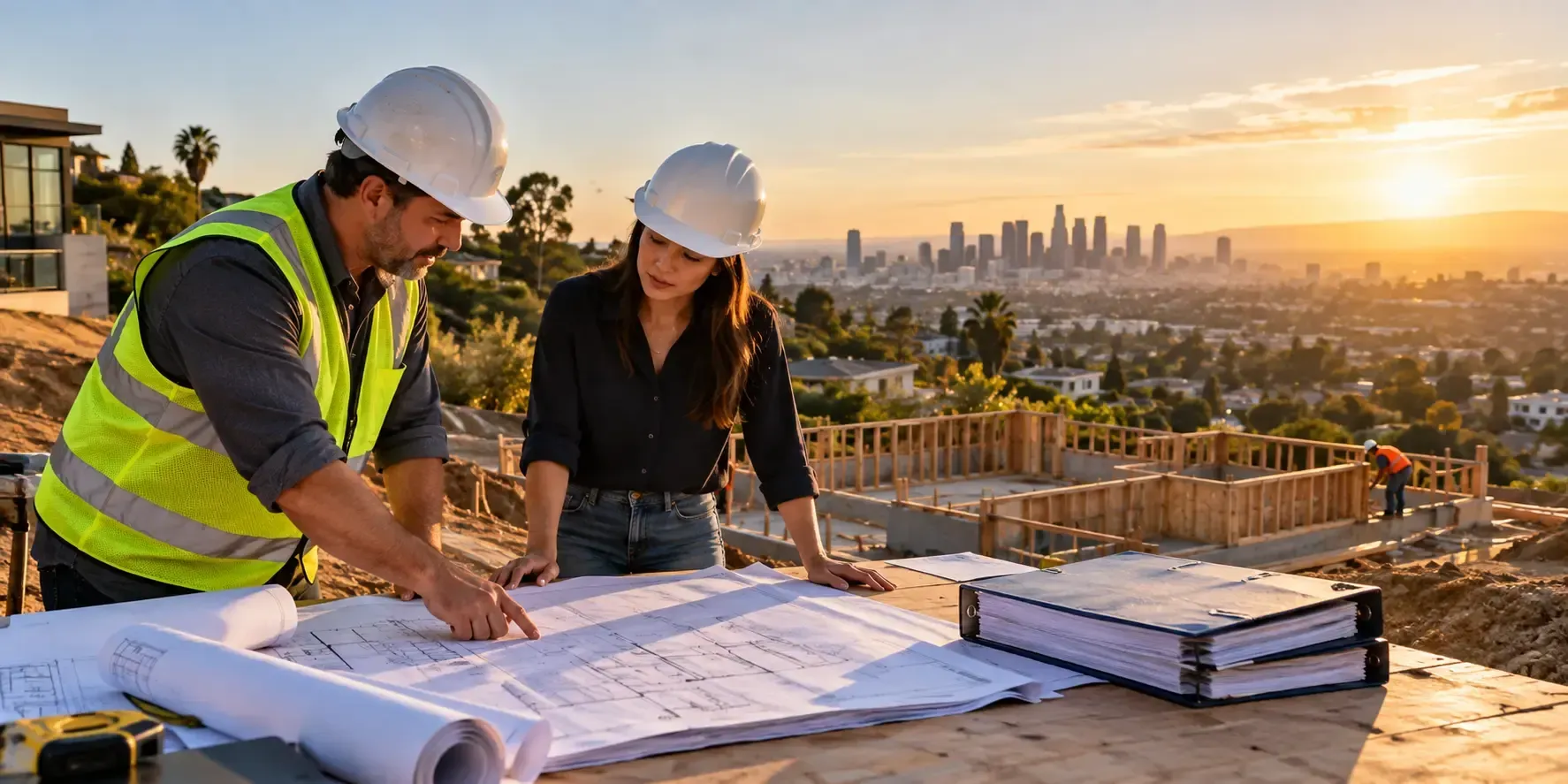
Let’s be real about the timeline. A ground-up construction project in Los Angeles County takes 18 to 24 months from concept to occupancy. If you want keys in hand by 2026, you need capital committed now.
Winter in East LA presents a specific set of logistic hurdles. The
Los Angeles Department of Building and Safety (LADBS) slows down during the holidays. Rain delays excavation. However, this downtime is the perfect window to finalize your capital stack. While other builders are waiting for the ground to dry, you should be closing your loan.
Banks hate this season. They see "weather risk" and "holiday delays" as reasons to drag their feet on approvals. A private lender looks at the equity in the dirt and the vision for the structure. We don't care if it's raining; we care if the numbers work.
Comparing Your Loan Options for 2026 Builds
You generally have three paths. One is slow, one is restrictive, and one is built for speed.
1. Traditional Construction-to-Permanent Loans
This is the standard product from major banks. It combines construction financing and a mortgage into one closing. Sounds convenient? It is, until you see the underwriting criteria.
Banks require pristine credit (720+), low debt-to-income ratios, and a builder with a thick portfolio of completed projects. If you are an owner-builder in East LA trying to put up a duplex or an ADU-heavy compound, the bank will likely classify you as "high risk." They often undervalue properties in 90022 compared to the Westside, leading to appraisal gaps that kill deals.
2. Government-Backed Loans (FHA/VA One-Time Close)
These offer low down payments. That is the only upside. The downside is bureaucratic hell. The inspections are rigorous, the contractor approval process is invasive, and the timelines are glacial. According to recent data from the Mortgage Bankers Association, government-backed construction loans have some of the longest closing times in the industry. If you want to break ground before 2026, avoid this red tape.
3. Private Money / Hard Money Loans
This is the GRO Los Angeles specialty. We look at the "After Repair Value" (ARV) or "Completed Value." We understand that a lot near the Gold Line extension or the Commerce border has immense potential value that a generic bank algorithm misses.
Hard money construction loans are bridge loans. They are short-term (12-24 months), interest-only, and designed to get the structure built fast. Once the house is finished and a Certificate of Occupancy is issued, you refinance into a conventional 30-year mortgage at a lower rate. You pay a higher rate during the build for the privilege of speed and flexibility.
Why East Los Angeles (90022) is Different
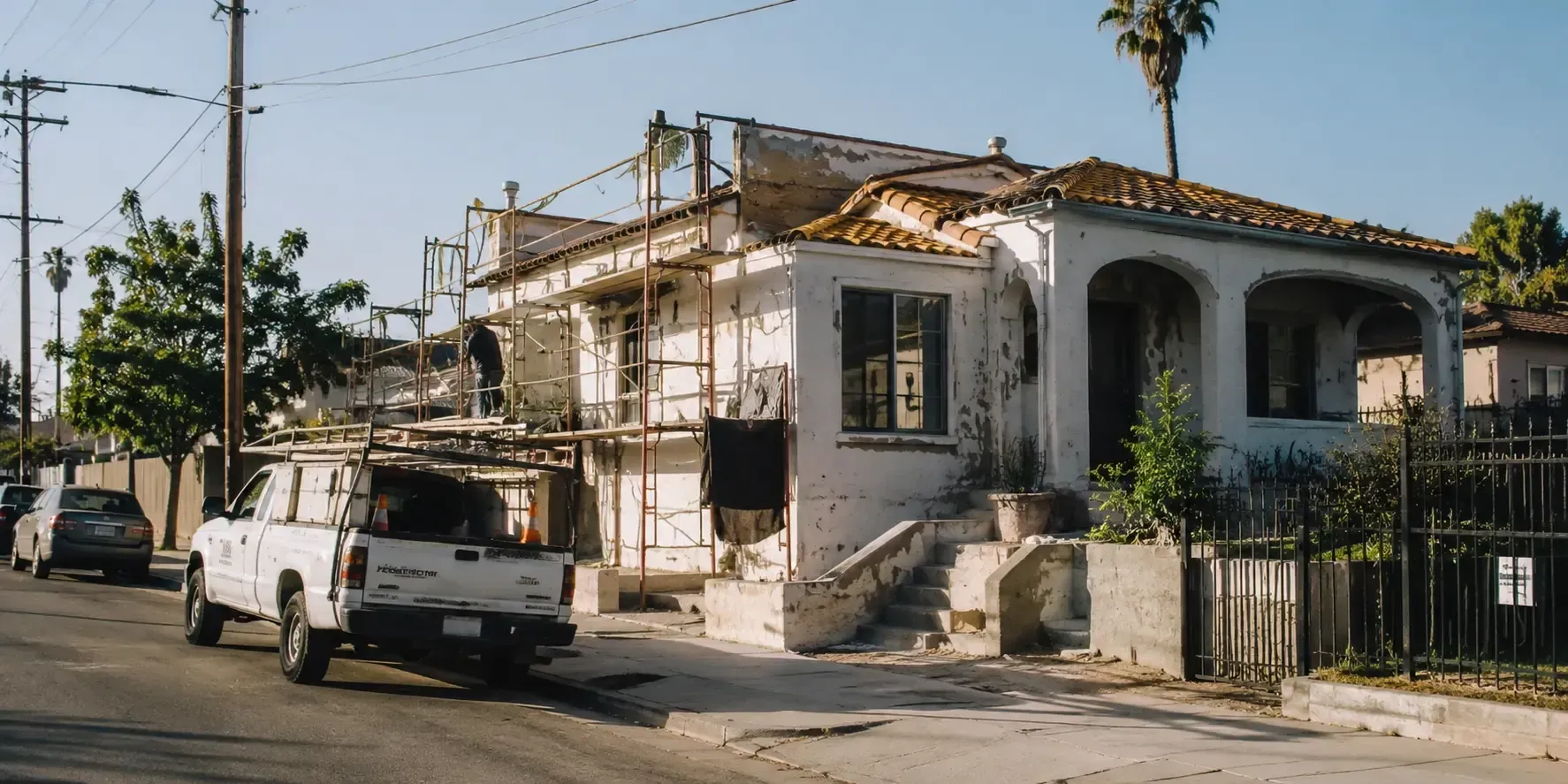
East LA isn't Santa Monica. The zoning here is unique. We see a massive uptick in multi-generational housing projects—families adding second stories or detached ADUs to keep parents and kids on the same lot.
Traditional lenders struggle with these "unconventional" builds. They want cookie-cutter single-family homes. GRO Los Angeles understands the local density laws. We know that a property near Whittier Boulevard isn't just a home; it's often a mixed-use opportunity or a multi-family income generator.
Furthermore, the
Contractors State License Board (CSLB) has been cracking down on unlicensed work. Banks will demand a General Contractor with a spotless record. Private lenders allow for more flexibility with "owner-builder" scenarios, provided you have a competent project manager.
The GRO Los Angeles Advantage: Speed Kills (Competitors)
In construction, time is money. Literally. Every month your project sits idle waiting for a bank draw, you are paying property taxes, insurance, and carrying costs without generating value.
Here is the reality of the 2026 market: Materials costs are stabilizing, but labor costs are rising. You cannot afford a four-month closing process.
GRO Los Angeles Hard Money Real Estate focuses on:
Asset-Based Decisions: We lend on the project's potential, not just your tax returns.
Quick Draws: When you finish the framing, you need money for the electrical now, not in three weeks. Our draw process is streamlined.
Local Expertise: We know East LA. We know the value of a corner lot in this specific grid.
Preparing for the 2026 Build Cycle
If you are aiming for a 2026 completion, your winter checklist is simple:
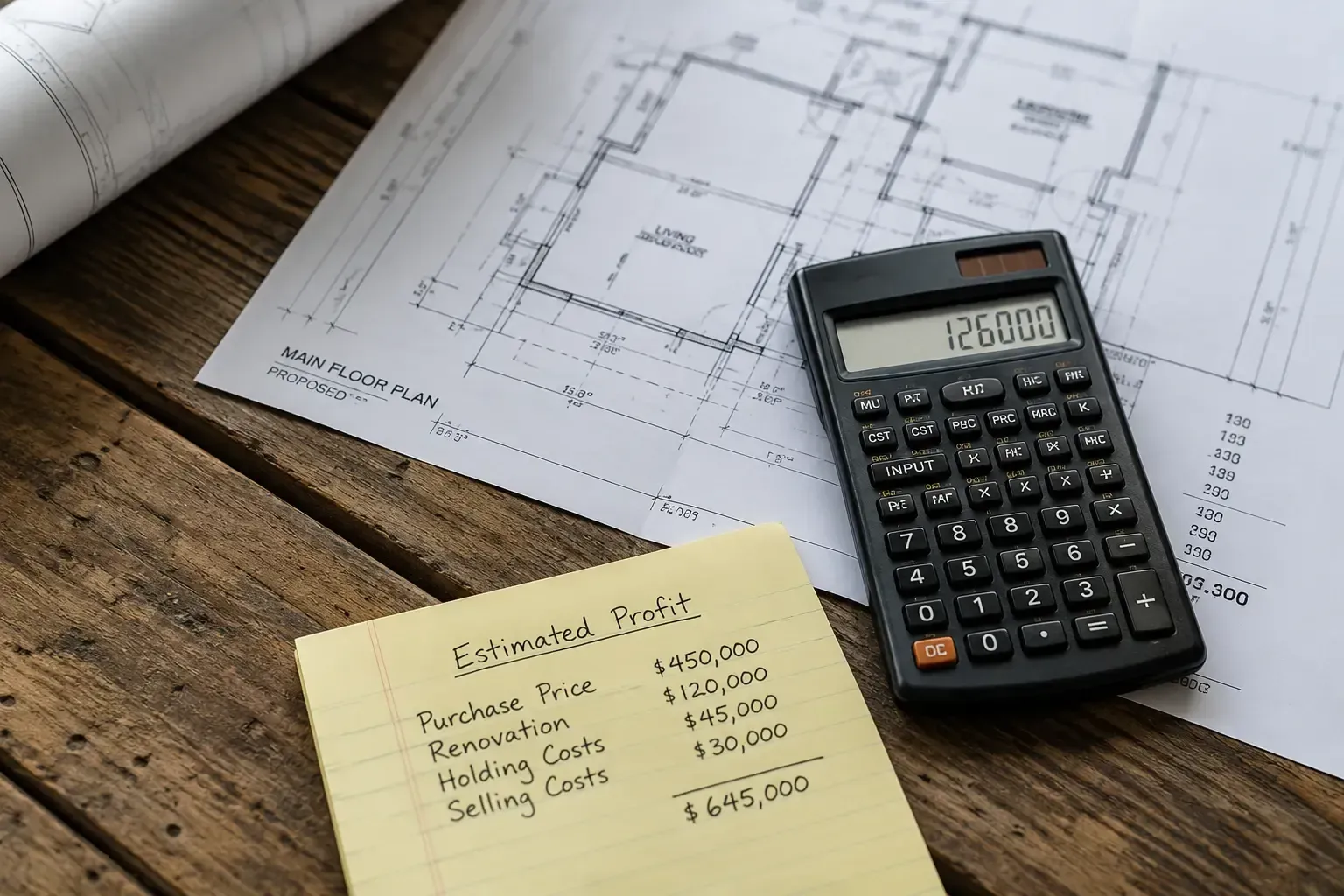
Finalize Plans: Get your blueprints stamped by the county.
Secure the Bid: Get a hard quote from a contractor, not an estimate.
Close the Loan: Secure your hard money financing with GRO before the spring rush tightens liquidity.
Don't let the winter rain dampen your momentum. While the big banks are hibernating, smart developers in East LA are pouring foundations.
Frequently Asked Questions
Can I get a construction loan with bad credit in East Los Angeles?
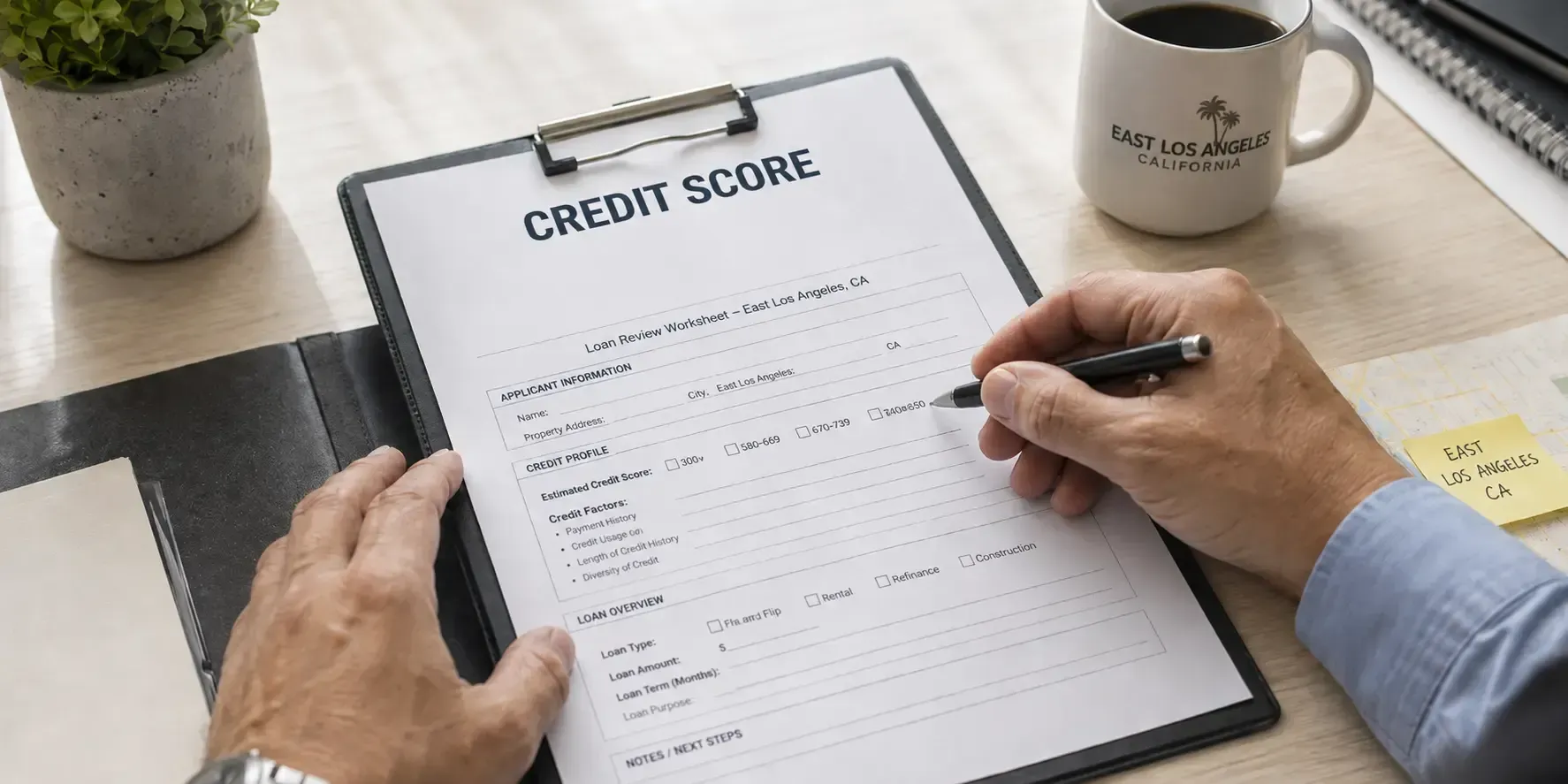
Yes, but typically only through hard money lenders like GRO Los Angeles. Traditional banks usually require a 700+ credit score. Private lenders focus on the collateral—the land and the future value of the building—rather than your personal FICO score, making them the viable option for credit-challenged borrowers.
How much down payment is required for a construction loan?
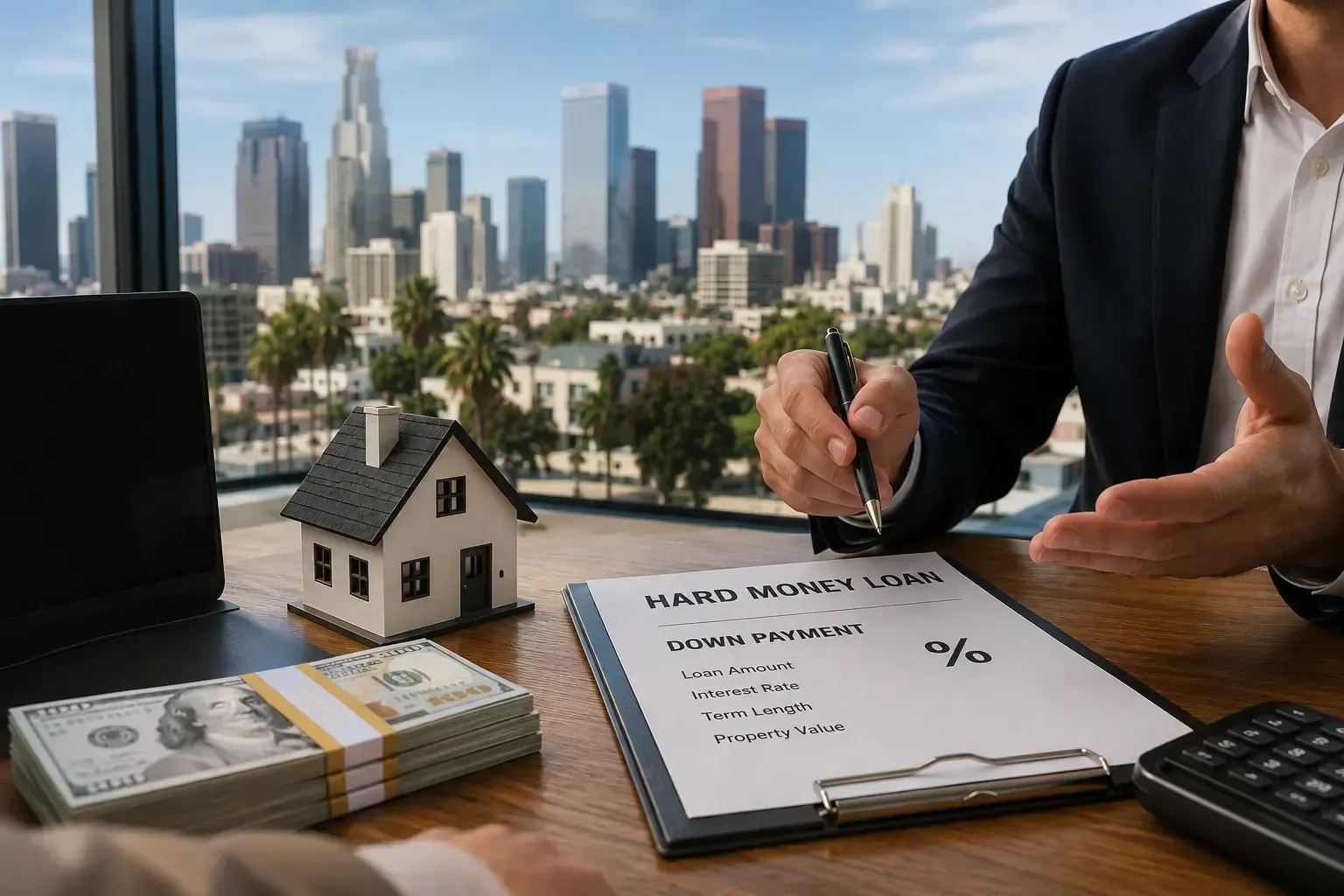
It depends on the lender type. Banks often demand 20-30% down based on the total project cost. Hard money lenders may finance up to 100% of construction costs if you own the land free and clear, or require a smaller "skin in the game" contribution depending on the Loan-to-Cost (LTC) ratio.
What is the difference between a construction loan and a rehab loan?
A rehab loan (fix-and-flip) covers the renovation of an existing structure. A construction loan covers "ground-up" building where no structure currently exists or the existing one is demolished. Construction loans are generally considered higher risk and released in "draws" as building milestones are completed.