Need Fast Real Estate Financing in Los Angeles? Here’s How a Hard Money Lender Can Help
The Los Angeles real estate market is notoriously fast-paced and competitive. With median home prices hovering around $1 million, opportunities wait for no one. For real estate investors and aspiring homeowners, the ability to secure financing quickly can be the deciding factor between closing a dream deal and watching it slip away. While traditional banks involve a lengthy and often rigid approval process, there’s a powerful alternative that savvy investors use to gain an edge: hard money loans.
If you're looking to move quickly on a property, a hard money lender in Los Angeles might be your ideal partner. Here at
GRO Los Angeles Hard Money Real Estate, we specialize in providing fast, asset-based financing solutions to help you seize opportunities in this dynamic market.

What Exactly is a Hard Money Loan?
A hard money loan is a type of short-term financing that is secured by real estate. Unlike conventional loans from banks that heavily scrutinize a borrower's credit score and income history, hard money lenders focus primarily on the value of the property being used as collateral. This asset-based approach streamlines the underwriting process, making it significantly faster than traditional financing routes.
These loans are typically offered by private investors or specialized lending companies rather than traditional financial institutions. The term "hard" refers to the tangible asset—the property—that backs the loan. This focus on collateral is what allows for greater flexibility and speed.
Key Benefits of Using a Hard Money Lender in the LA Market
In a market as competitive as Los Angeles, speed is paramount. Hard money loans offer several distinct advantages that are perfectly suited for the challenges and opportunities of LA real estate.
- Speed of Funding: This is the most significant benefit. While a traditional mortgage can take 30 to 60 days to close, a hard money loan can often be funded in a matter of days. This allows investors to make competitive, near-cash offers that are highly attractive to sellers.
- Flexible Underwriting: Hard money lenders are more flexible with their lending criteria. If you have a less-than-perfect credit history, are self-employed, or have a unique property (like a fixer-upper that banks won't finance), a hard money loan can be an accessible option. The primary concern is the property's value and your equity in the deal.
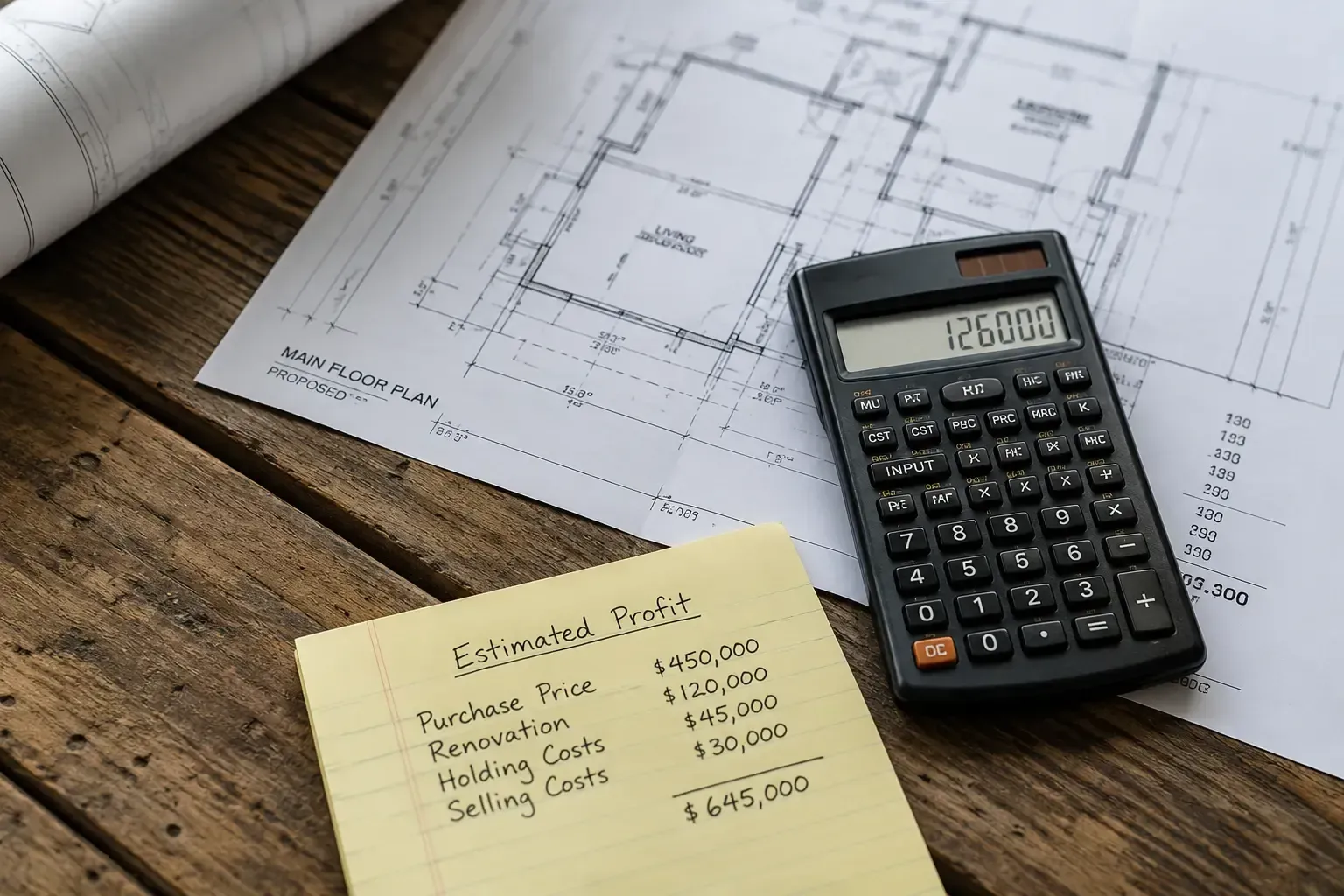
- Ideal for Investment Projects: These loans are a popular choice for real estate investors, especially those involved in fix-and-flip projects. The quick financing allows them to acquire, renovate, and sell a property within the short loan term, typically ranging from six months to a few years.
- Bridge Financing Solution: Hard money loans can also serve as bridge loans, providing a short-term solution for homeowners who need to purchase a new home before selling their current one.
How Does the Hard Money Loan Process Work?
The process for securing a hard money loan is designed for efficiency. It generally involves fewer steps and less paperwork than a conventional loan.
- Initial Application: The borrower submits a loan application, which focuses on the property details and the purpose of the loan.
- Property Valuation: The lender will assess the value of the property that will serve as collateral. For fix-and-flip projects, this often includes evaluating the After Repair Value (ARV).
- Loan Structuring: The lender will present loan terms, including the interest rate, points (origination fees), and repayment schedule. Hard money loans typically have higher interest rates than traditional loans to compensate for the higher risk and shorter term.
- Funding: Once the terms are agreed upon and the necessary documents are signed, the loan is funded, and you can close on your property purchase.
Is a Hard Money Loan Right for You?
A hard money loan is an excellent tool for specific situations. Consider this option if you:
- Are a real estate investor needing to close a deal quickly.
- Are purchasing a property that needs significant renovations.
- Have difficulty qualifying for a traditional loan due to credit or income verification issues.
- Need to bridge the financial gap between buying a new property and selling an old one.
While the interest rates are higher, the strategic advantage of speed and flexibility in the Los Angeles market can often outweigh the additional cost, leading to a profitable investment.
Your Partner for Fast Financing in Los Angeles
Navigating the Los Angeles real estate market requires a financing partner who understands the need for speed and certainty. At GRO Los Angeles Hard Money Real Estate, we pride ourselves on a straightforward and transparent lending process. We work with you to understand your project and provide the quick capital you need to succeed.
Don't let a slow loan process cause you to miss out on your next big opportunity. If you need fast, reliable real estate financing, we're here to help. Ready to get started? Contact GRO Los Angeles Hard Money Real Estate today at 323-310-0936 to discuss your financing needs.
Frequently Asked Questions
What is the main difference between a hard money loan and a traditional mortgage?
The primary difference lies in the approval criteria and speed. Traditional mortgages are heavily based on the borrower's credit score and income, with a lengthy underwriting process. Hard money loans are asset-based, focusing on the property's value, which allows for much faster approval and funding, often within days.
Can I get a hard money loan if I have bad credit?
Yes, it's often possible. Because hard money lenders prioritize the property's equity and value over the borrower's credit history, individuals with lower credit scores may still qualify. Lenders are more concerned with the quality of the real estate deal itself.
What types of properties are typically financed with hard money loans?
Hard money loans are versatile and can be used for various property types, including single-family homes, multi-family properties, commercial buildings, and land. They are particularly common for investment properties, such as fix-and-flips or rental acquisitions that require quick closing.