From Purchase to Profit: The Power of Fix and Flip Loans
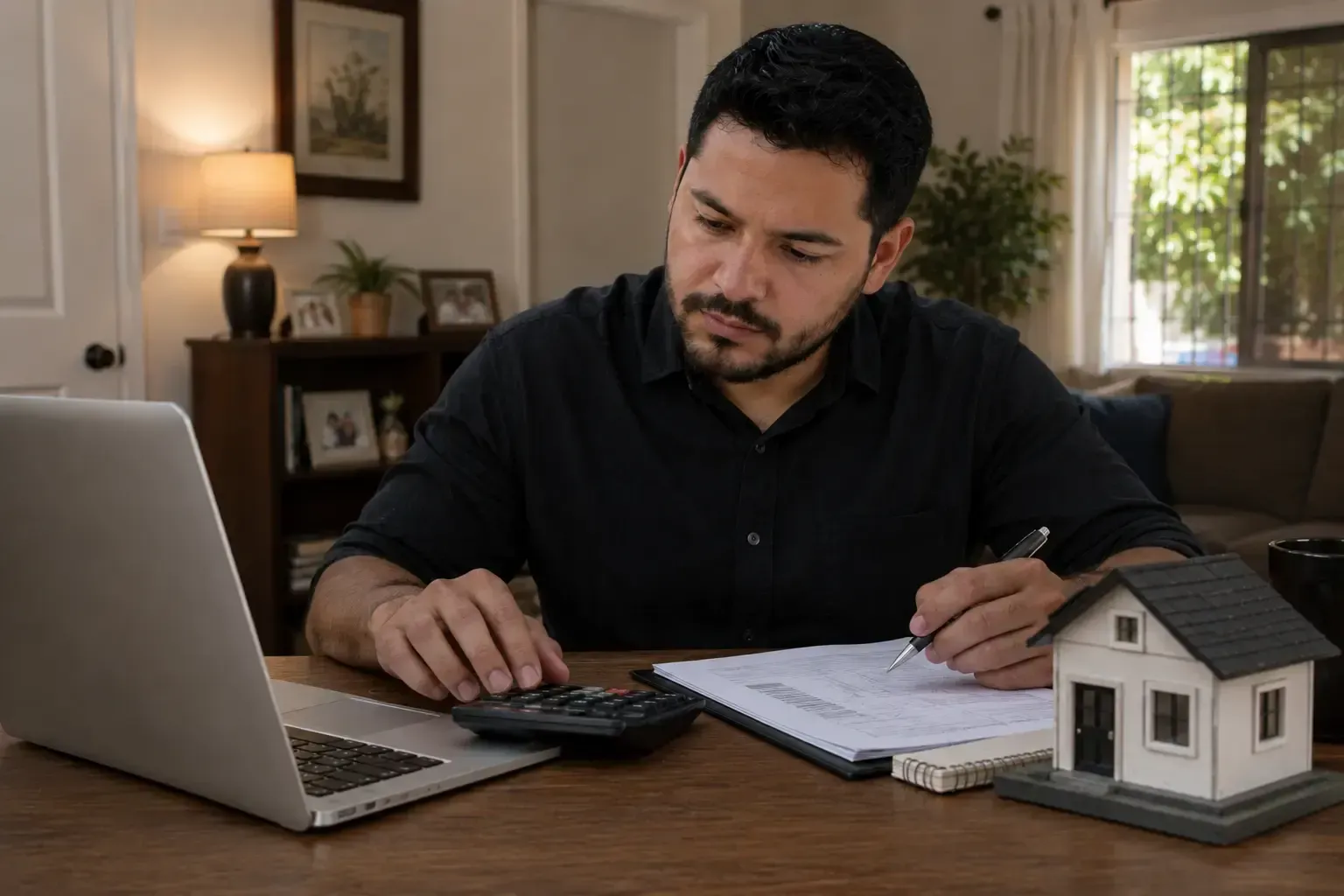
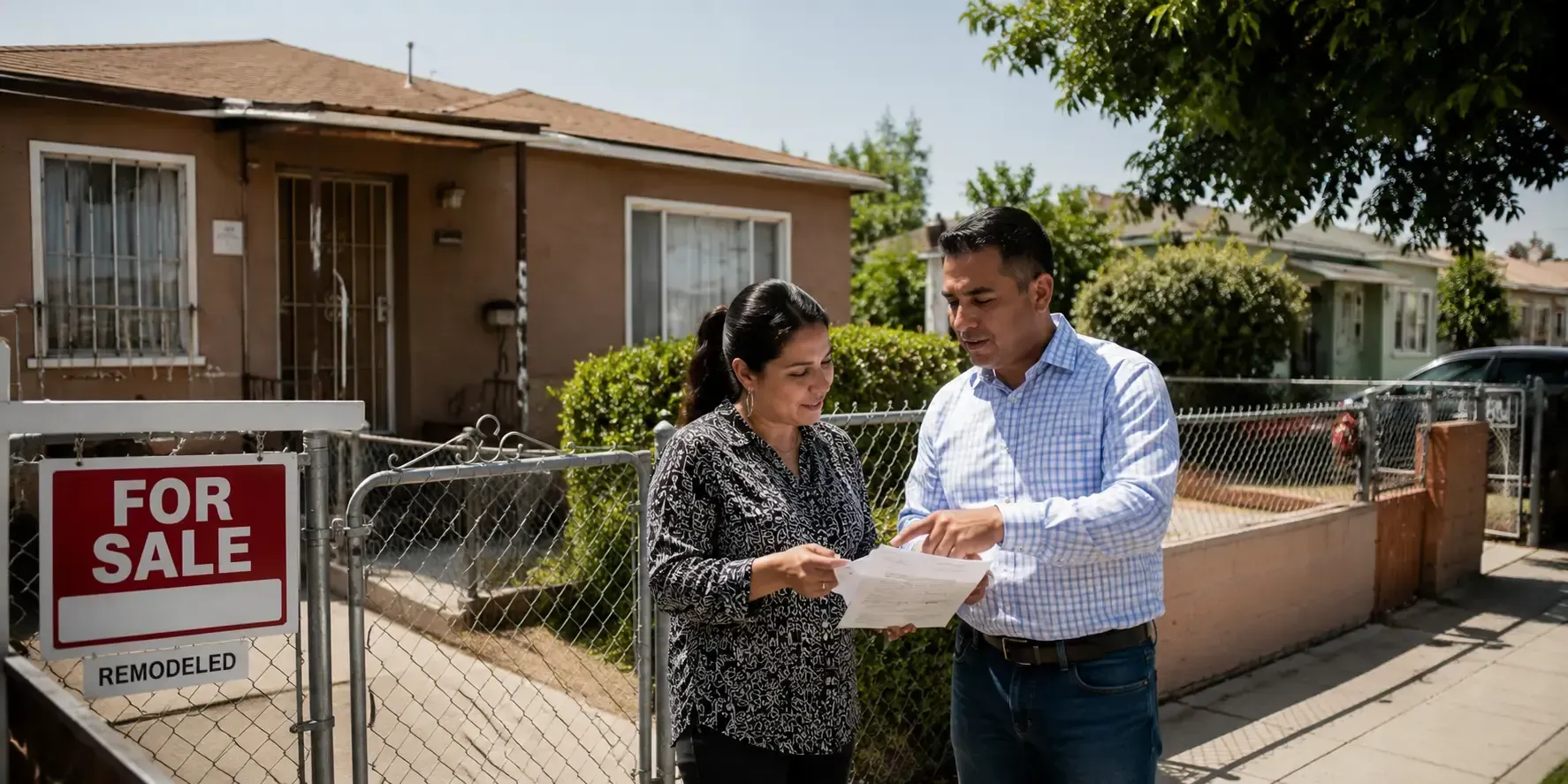
The world of real estate investing offers a tantalizing prospect: turning a run-down property into a profitable asset. This strategy, popularly known as "fix and flip," has captured the imagination of many aspiring investors. However, the journey from a distressed property to a desirable home requires significant capital. This is where fix and flip loans emerge as a crucial tool, providing the necessary real estate funding to transform potential into profit. Here at GRO Los Angeles Hard Money Real Estate, we've seen firsthand how this specialized financing can empower investors to achieve remarkable real estate profits

Understanding Fix and Flip Loans: The Engine of Your Investment
A fix and flip loan is a short-term financing option designed specifically for purchasing and renovating a property with the intention of selling it quickly for a profit. Unlike traditional mortgages, which are long-term commitments, these loans typically have terms ranging from six to 18 months, aligning perfectly with the timeline of a flipping project. The primary focus of lenders offering these loans is often the property's after-repair value (ARV)—its estimated worth once renovations are complete—rather than solely the borrower's credit history.
This emphasis on the property's potential is a game-changer for many in the real estate investing world. It opens doors for investors who may not qualify for conventional loans but have a solid plan for transforming a property. The quick approval and funding process, often taking days instead of weeks, is another significant advantage, allowing investors to act fast in a competitive market.
Maximizing Your Real Estate ROI with Smart Funding
The ultimate goal of any fix and flip project is to achieve a substantial real estate ROI (Return on Investment). Fix and flip loans play a pivotal role in this equation. By covering not just the purchase price but often up to 100% of the renovation costs, these loans minimize the investor's out-of-pocket expenses. This allows you to leverage your capital across multiple projects, potentially accelerating your wealth creation.
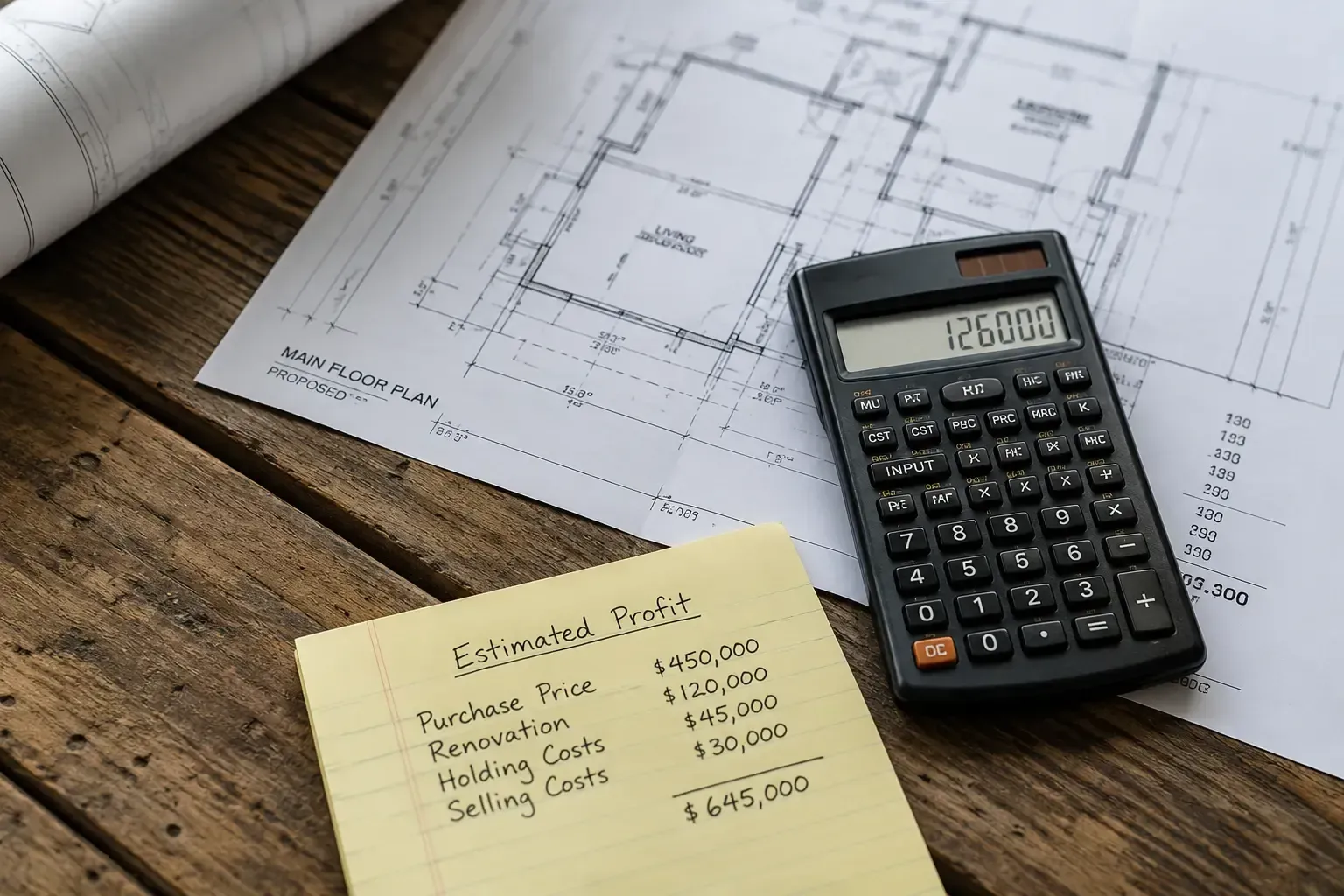
Calculating your potential ROI is a critical first step. The basic formula is:
ROI = (Net Profit / Total Investment Cost) x 100
Your total investment includes the purchase price, renovation costs, holding costs (like taxes and insurance), and selling costs. A carefully planned budget and a clear understanding of market trends are essential for an accurate ROI projection. Focusing on high-impact upgrades, such as kitchens and bathrooms, can significantly increase the property's value and, consequently, your profit margin.
Navigating the Risks and Reaping the Rewards
While the potential for real estate profits is high, it's crucial to acknowledge the risks involved in fix and flip investing. Unexpected renovation costs, delays in the project timeline, and fluctuations in the real estate market can all impact your bottom line. This is why partnering with an experienced lender is so important. At GRO Los Angeles Hard Money Real Estate, we understand the nuances of the local market and can provide the flexible real estate funding solutions you need to navigate these challenges.
Successful real estate investing in the fix and flip arena requires a combination of market knowledge, a solid renovation plan, and the right financing. Fix and flip loans provide the financial backbone for these ventures, enabling investors to seize opportunities and turn them into tangible profits. By understanding how these loans work and strategically planning your projects, you can harness their power to build a successful real estate portfolio.
Ready to take the next step in your real estate investing journey? Contact GRO Los Angeles Hard Money Real Estate today at 323-310-0936 to discuss how our tailored fix and flip loan solutions can help you achieve your financial goals.
FREQUENTLY ASKED QUESTIONS:
What is the typical term for a fix and flip loan?
Fix and flip loans are short-term financing solutions, with typical repayment periods ranging from 6 to 18 months. This timeframe is designed to align with the project timeline of purchasing, renovating, and selling the property.
How much can I typically borrow with a fix and flip loan?
Lenders often finance a significant portion of the project costs. It's common for these loans to cover up to 90% of the property's purchase price and, in some cases, 100% of the renovation costs. The loan amount is largely based on the property's after-repair value (ARV).
What are the main advantages of a fix and flip loan over a traditional mortgage?
The key advantages include faster approval and funding times, which are crucial in a competitive market. Additionally, the lending decision is often more heavily weighted on the property's potential value rather than solely on the borrower's credit score, making them more accessible to some investors.