Forge Ahead: How Building Early Relationships with Hard Money Lenders Unlocks Faster, Stronger Real Estate Deals
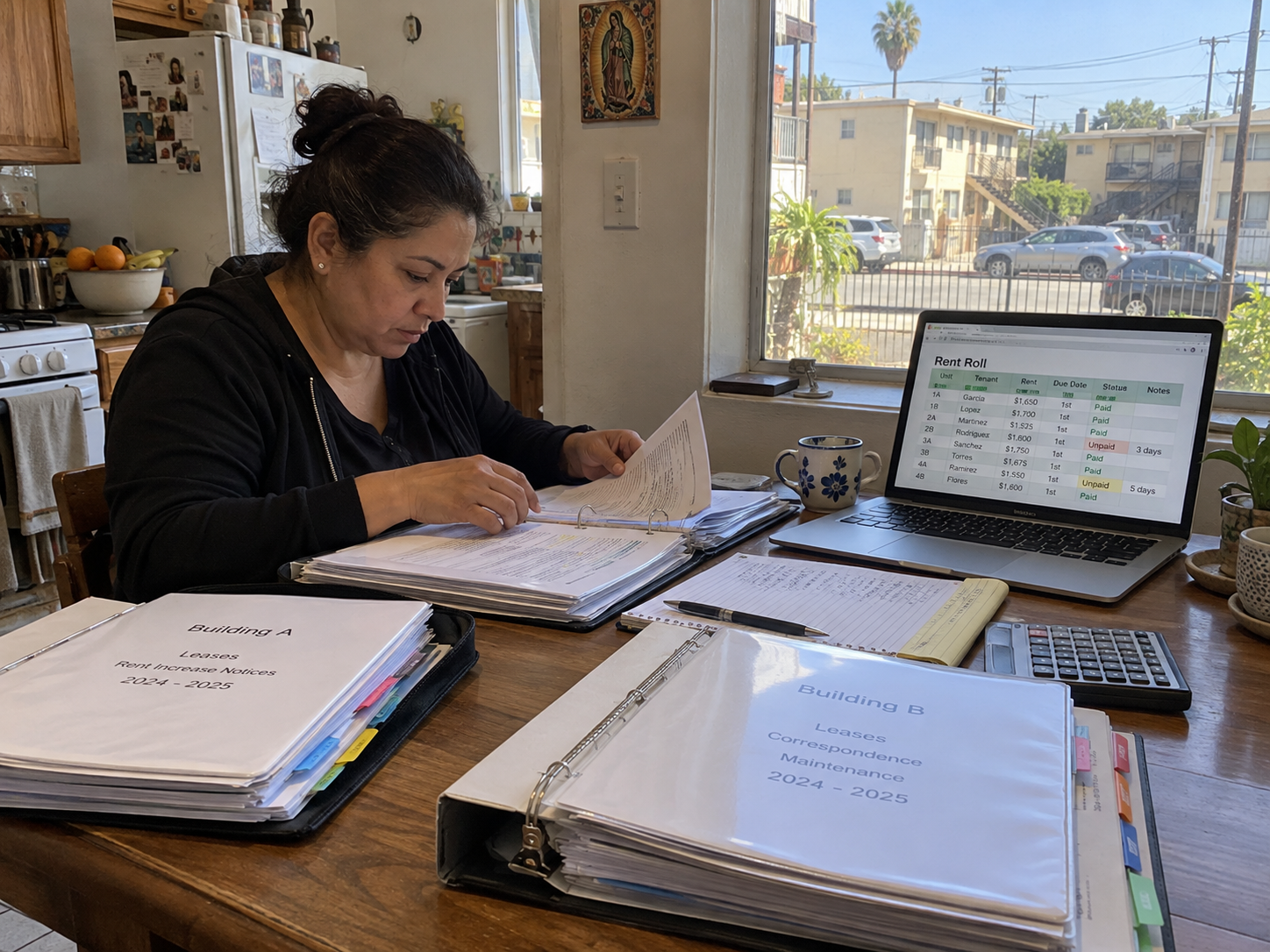
In the fast-paced world of real estate investment, speed is more than a luxury—it's a critical competitive advantage. The best deals, the ones with the most potential for profit, don't wait around. They're snapped up by decisive investors who have their ducks in a row. And the most important duck? Reliable, fast financing. Too many investors, both new and experienced, make the critical mistake of treating financing as the last step in the process. They find a deal, then scramble to find a loan. This transactional approach is not only stressful but often results in lost opportunities and less favorable terms.
There's a better way. A strategic approach that transforms your lender from a mere capital provider into a powerful partner in your success. It’s about building a relationship with a hard money lender before you need them. Here at GRO Los Angeles Hard Money Real Estate, we've seen firsthand how investors who cultivate these relationships consistently close faster, secure stronger deals, and scale their portfolios more effectively. This guide will explore why this relational approach is a game-changer and provide a clear roadmap for building these invaluable partnerships.

The Transactional Trap: Why Waiting Until You Need a Loan is Too Late
Imagine this scenario: You find the perfect fix-and-flip property. It's underpriced, in a great neighborhood, and has solid comps. You need to close in 10 days to beat out competing offers. You start frantically calling lenders, submitting applications, and sending documents to strangers. Each lender has a different process, a different set of requirements, and a different timeline. The clock is ticking.
This is the transactional trap. When you only engage a lender when you have a deal on the line, you're operating from a position of weakness. You face several significant disadvantages:
- Lost Time: The underwriting process for a new client takes time. The lender needs to vet you, your experience, your financials, and the deal itself from scratch. This delay can be the difference between winning and losing the property.
- Unfavorable Terms: Lenders are assessing risk. A brand-new client with an urgent request presents a higher perceived risk than a known, trusted partner. This can translate to higher interest rates, more points, and a lower loan-to-value (LTV) ratio.
- Increased Uncertainty: Without a pre-existing relationship, you have no real certainty that the loan will be approved until the very end. This uncertainty makes it impossible to make the kind of confident, non-contingent offers that sellers love.
- Missed Opportunities: The time you spend shopping for a loan is time you're not spending looking for your next deal. The stress and administrative burden of last-minute financing can be a massive drain on your resources.
The Power of Partnership: Adopting a Relational Approach
A relational approach flips the script. Instead of viewing a hard money loan as a one-off product, you view the lender as a long-term member of your real estate team, alongside your agent, contractor, and attorney. This is about mutual trust, understanding, and aligned goals. A relational lender, like us at GRO Los Angeles Hard Money Real Estate, invests time in understanding your business model, your investment strategy, and your long-term vision.
This isn't just a philosophical difference; it has concrete, bottom-line implications. Let's compare the two approaches:
Transactional vs. Relational Lending: A Head-to-Head Comparison
| Factor | Transactional Approach | Relational Approach |
|---|---|---|
| Speed of Funding | Slow. Full underwriting from scratch for every deal. | Fast. Lender already knows you; focus is on the property. |
| Loan Terms | Standard, often less flexible. Higher perceived risk. | More favorable and flexible. Based on trust and track record. |
| Deal Certainty | Low. Approval is uncertain until the final stages. | High. You know your funding is secure before making an offer. |
| Lender's Role | Capital Provider. | Strategic Partner & Advisor. |
| Investor Confidence | Hesitant. Unable to make aggressive, non-contingent offers. | High. Can bid aggressively and with conviction. |
The 5 Key Benefits of Building a Lender Relationship Early
Investing time in building a relationship with a hard money lender pays dividends across your entire investment career. Here are the most significant advantages.
1. Unprecedented Speed and Agility
When your lender already has your file—your entity documents, financial statements, and a clear understanding of your experience—the loan process is dramatically accelerated. When a hot deal comes across your desk, you can make one phone call. Instead of asking, "Who are you?" your lender asks, "Tell me about the property." The focus shifts from vetting you to vetting the deal, allowing for funding in a matter of days, not weeks.
2. Access to Better, More Flexible Terms
Trust is the most valuable currency in lending. As you successfully complete deals with a lender, you build a track record of reliability and execution. This proven performance de-risks you as a borrower in the lender's eyes. The result? They are more willing to offer you better terms, such as:
- Lower interest rates or origination fees.
- Higher LTV or Loan-to-Cost (LTC) ratios, requiring less cash out of pocket.
- More flexible draw schedules for construction projects.
- Creative solutions for complex or non-standard deals.
3. A Strategic Partner in Your Corner
An experienced hard money lender is more than just a source of capital. They are seasoned real estate professionals who see hundreds of deals and business plans every year. A good relational lender becomes a sounding board. You can run potential deals by them for a second opinion on the numbers, the scope of work, or the ARV (After Repair Value). They've seen what works and what doesn't. Our team, for example, is passionate about the success of our clients; you can learn more about our philosophy on our About Us page. They can also be a source of networking, connecting you with reputable contractors, agents, or even other investors.
4. The Confidence to Make Bolder, Winning Offers
In a competitive market, a financing contingency is a major weakness in an offer. Sellers want certainty and a quick, hassle-free closing. When you have a standing relationship with a lender who has pre-vetted you, you can confidently make offers with no financing contingency and a short closing window. This immediately puts your offer at the top of the pile, even if it's not the highest price. You're not just buying a property; you're selling the seller on a smooth, guaranteed transaction.
5. Streamlined Processes and Reduced Friction
Every loan requires paperwork, but a relationship drastically reduces the redundant effort. You're not starting from zero on every single deal. The due diligence process is smoother and faster. The draw process for rehab funds is built on trust, not on endless inspections and receipts (within reason, of course). This reduction in administrative friction frees up your most valuable asset: your time. It allows you to focus on finding the next deal and managing your projects, which is where you truly create value.
Your Blueprint: How to Build a Strong Relationship with a Hard Money Lender
Convinced? Great. Here’s a step-by-step guide to finding and nurturing the right lending partnership.
- Do Your Homework: Not all lenders are created equal. Look for local lenders with a strong reputation, extensive experience in your market, and a philosophy that aligns with yours. Read reviews, ask for referrals, and explore their services to see if they fit your investment strategy (e.g., fix-and-flip, new construction, bridge loans).
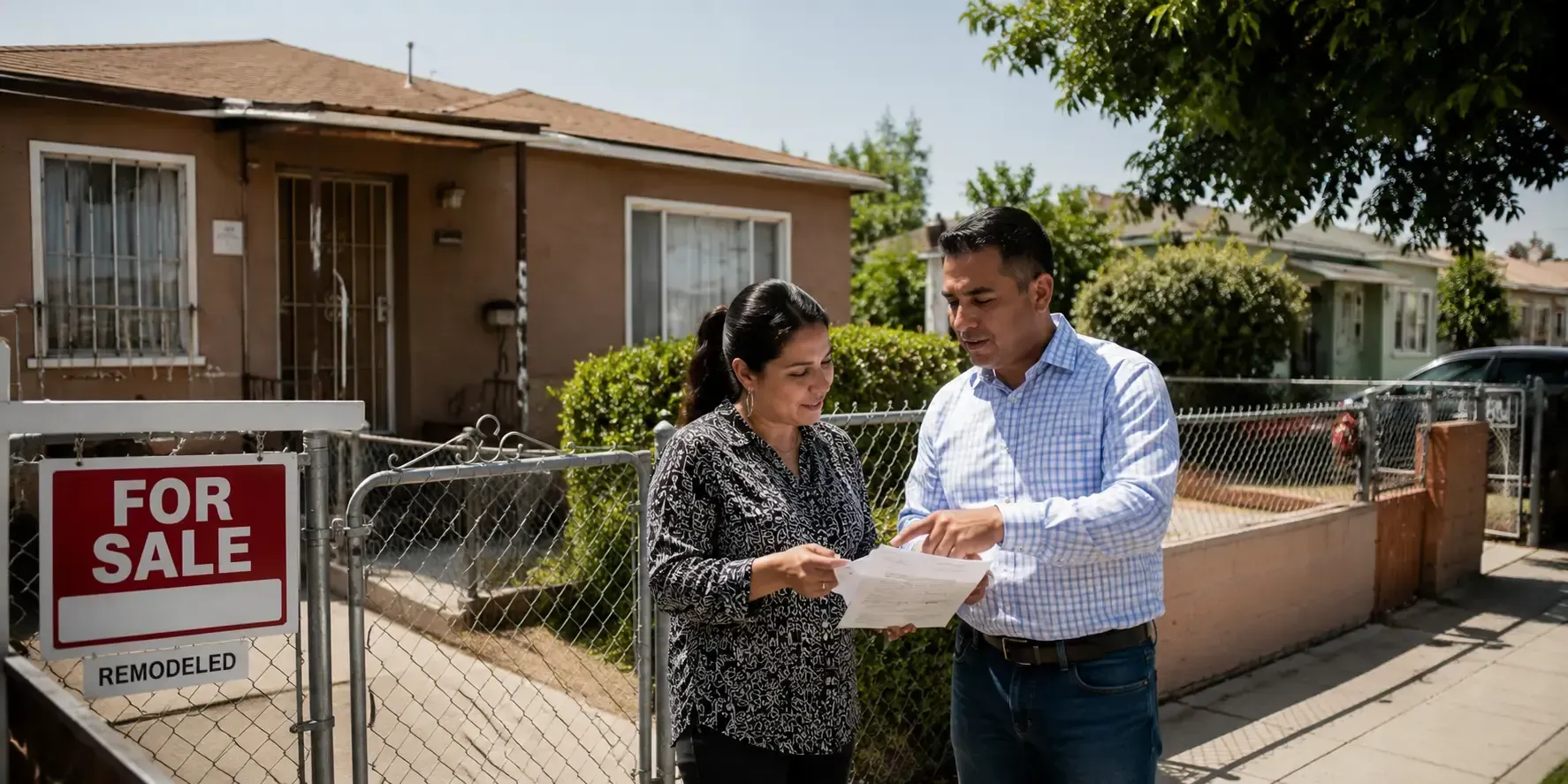
- Schedule an Introductory Meeting: Reach out before you have a deal. Frame it as an introductory meeting. Your goal is to learn about their process and, more importantly, to introduce yourself and your business plan. Come prepared to discuss your experience, your goals for the next 1-5 years, and the types of projects you target.
- Be Transparent and Professional: Present a clean, organized package of your financial information. Be upfront about your strengths and weaknesses. If you're a new investor, don't hide it—frame it as an opportunity to grow with them. Honesty builds the foundation of trust.
- Execute Flawlessly on Your First Deal: Your first loan is your audition. Ensure the project is well-planned, your budget is accurate, and you communicate proactively throughout the process. A smooth, successful first deal is the fastest way to solidify a lender's confidence in you.
- Nurture the Relationship: Don't just call when you need money. Keep your lender updated on your completed projects (send them the successful MLS listing!). If you see a deal that isn't for you but might fit another of their clients, pass it along. Treat them like the valued partner you want them to be.
Conclusion: Stop Transacting, Start Partnering
The secret to scaling in real estate isn't just about finding good deals; it's about building a robust, reliable team that can execute on those deals. Your hard money lender is one of the most critical members of that team. By shifting from a last-minute, transactional mindset to a proactive, relational one, you build a powerful competitive moat around your business. You gain speed, flexibility, and the confidence to seize opportunities that your competitors, still scrambling for a loan, can only watch from the sidelines.
The best time to build a relationship with a hard money lender was a year ago. The second-best time is today. If you're ready to build a partnership that can fuel your real estate ambitions, we invite you to start the conversation. Contact GRO Los Angeles Hard Money Real Estate today, and let's discuss how we can help you close faster, stronger deals.
Frequently Asked Questions
What's the best way to approach a hard money lender for the first time?
The best approach is to be proactive and professional. Contact them before you have a live deal and request an introductory meeting. Come prepared with a summary of your experience, your real estate investment strategy, your financial situation, and your long-term goals. This shows you are a serious investor planning for the future, not just scrambling for a one-time loan.
Do I need a specific deal in hand to start a relationship with a lender?
No, and it's actually better if you don't. Reaching out when you aren't under the pressure of a closing deadline allows for a more thorough, less rushed conversation. It gives both you and the lender time to determine if you're a good fit for a long-term partnership without the stress of a ticking clock.
How does a relationship with a hard money lender differ from one with a traditional bank?
The key difference is partnership and speed. Banks typically have rigid underwriting criteria and act as a commoditized service provider. A relational hard money lender, especially a local one, acts more like a strategic partner. They understand local market nuances, offer more flexible and creative solutions, and can move much faster because the relationship is built on a deep understanding of your business, not just a checklist.
Can a good lender relationship help me get a higher loan-to-value (LTV)?
Yes, absolutely. LTV is fundamentally about the lender's assessment of risk. A new, unknown borrower presents a higher risk. An investor with a proven track record of successful projects and on-time payments with that specific lender is a much lower risk. This trust often translates directly into the lender's willingness to offer a higher LTV, requiring you to bring less cash to closing.
How often should I communicate with my hard money lender?
During a live project, communication should be regular and proactive—provide updates on progress, especially around draw requests. Between deals, it's good practice to check in every quarter or so. A quick email with an update on your business, a link to a recently sold project, or even just to say hello keeps the relationship warm. This ensures you stay top-of-mind, so when you do have a deal, you're treated like the valued partner you are.