LA Hard Money Loans Demystified: The Right Loan for Your Fix & Flip, Rental, or New Construction Project
The Los Angeles real estate market is a world of its own. It's fast, fiercely competitive, and full of immense opportunity for savvy investors. But in a landscape where deals can materialize and vanish in a matter of hours, traditional financing often can't keep pace. This is where hard money loans become an indispensable tool. They offer the speed and flexibility needed to seize opportunities that bank loans would miss. However, not all hard money loans are created equal, and the right one for a quick fix-and-flip in Silver Lake is vastly different from one needed for a new build in the Hollywood Hills.
Understanding the nuances between different types of hard money loans is crucial for maximizing your return on investment and ensuring your project's success. This guide will break down the three primary categories of hard money loans for LA real estate investors: fix-and-flip, rental property bridge loans, and new construction loans. We'll explore the unique features of each, helping you identify the perfect financing vehicle for your next venture. Here at GRO Los Angeles Hard Money Real Estate, we specialize in tailoring loan products to the specific needs of our clients, and our goal is to empower you with the knowledge to make the best decision.

What Exactly is a Hard Money Loan?
Before diving into the specific types, let's establish a clear foundation. A hard money loan is a short-term, non-conforming loan secured by real estate. Unlike traditional mortgages from banks, which heavily scrutinize a borrower's credit score, income, and debt-to-income ratio, hard money lenders focus primarily on the value of the property—the 'hard asset.' This asset-based approach allows for significantly faster underwriting and funding, often closing in days rather than the weeks or months required by banks.
This speed is the primary advantage in a market like Los Angeles. When you're competing against multiple all-cash offers, having the ability to close quickly can make your offer just as attractive, giving you the leverage you need to win the deal.
1. The Fix & Flip Loan: Built for Speed and Value-Add
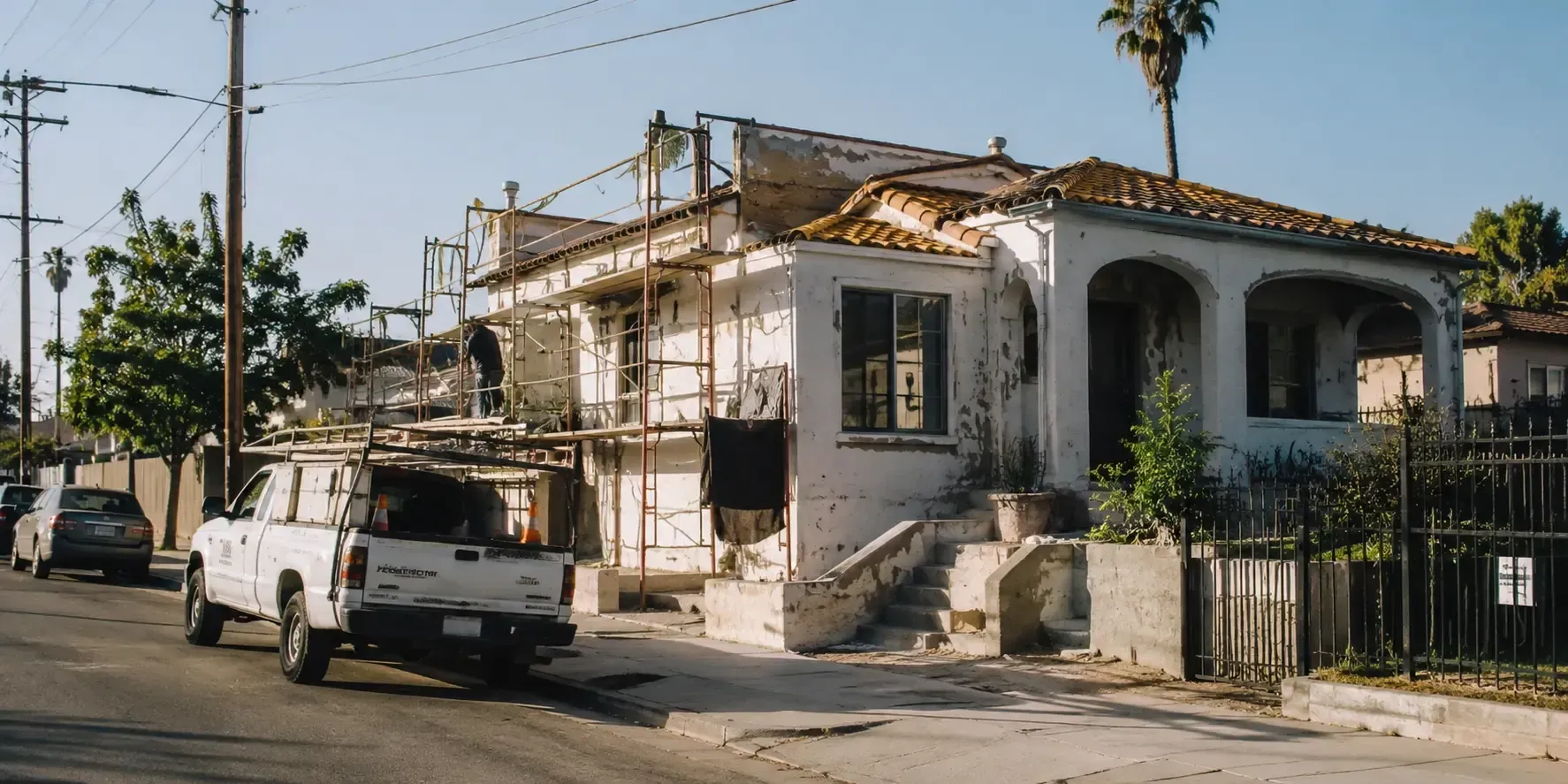
The fix-and-flip is the quintessential real estate investment strategy, and hard money is its perfect financial partner. These loans are designed for investors who plan to purchase a distressed or undervalued property, renovate it quickly, and sell it for a profit.
Key Features:
- Fast Closing: The most critical feature. Fix-and-flip deals require immediate action. Hard money loans can often be funded in 7-10 days, allowing you to compete with cash buyers.
- Loan-to-Cost (LTC) Financing: Many hard money lenders, including us, can finance a percentage of both the purchase price AND the renovation budget. This is a game-changer, as it significantly reduces the amount of cash you need to bring to the table. For example, a lender might offer 85% of the purchase price and 100% of the rehab costs.
- Short-Term Nature: These loans typically have terms of 12-24 months, aligning perfectly with the project timeline of a standard flip. The goal is to get in, renovate, sell, and pay off the loan without incurring long-term interest.
- Interest-Only Payments: To keep monthly carrying costs low during the renovation phase when there is no rental income, these loans are often structured with interest-only payments.
Who is it for?
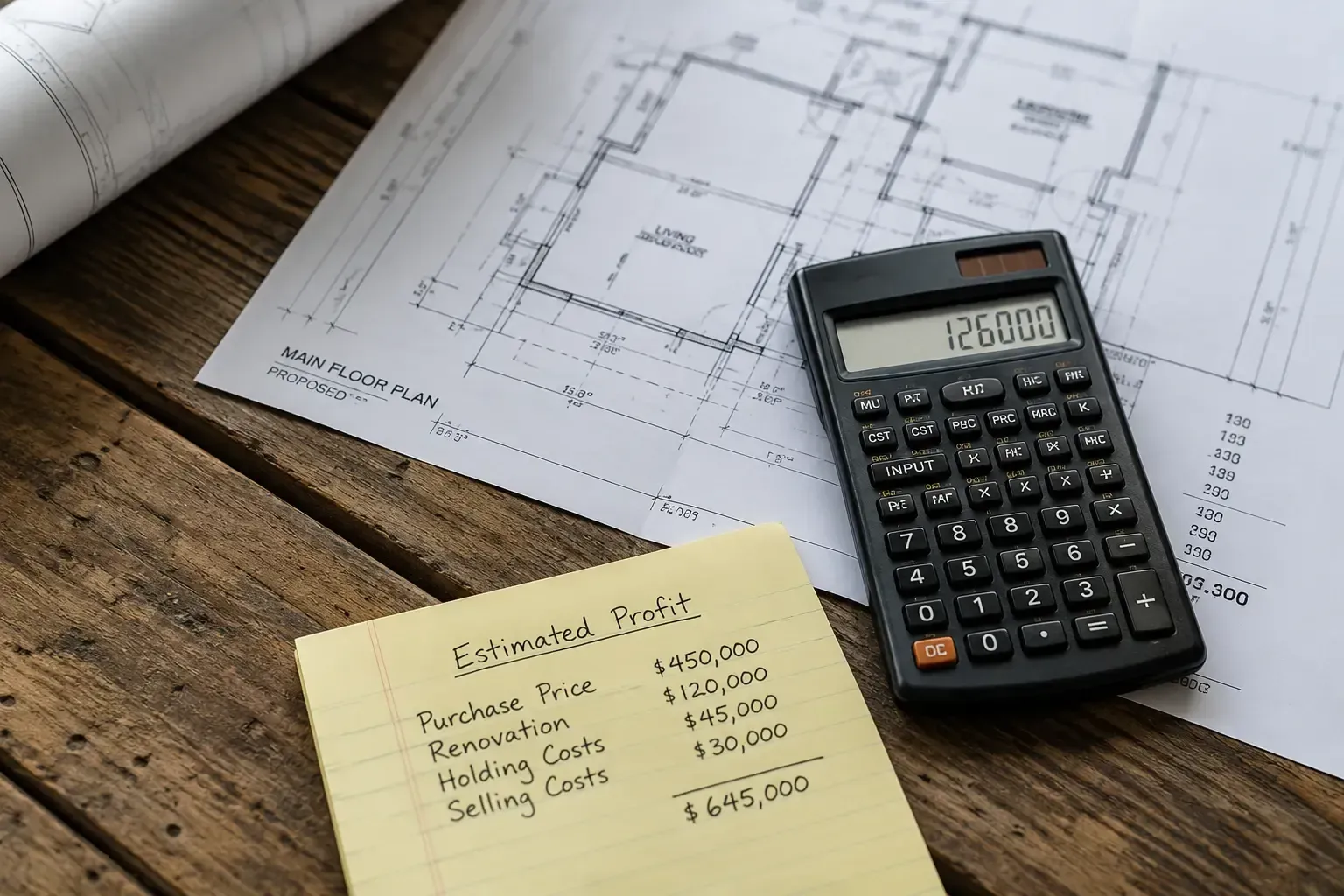
This loan is ideal for the investor who has a clear plan to add value to a property through renovations and has a strong exit strategy to sell the property within a short timeframe. You need a solid contractor team, an accurate renovation budget (ARV - After Repair Value), and a good understanding of the local LA submarket you're investing in.
2. The Rental Property (Bridge) Loan: Securing Your Long-Term Asset
What if your goal isn't a quick sale but long-term cash flow from a rental property? This is where the BRRRR (Buy, Rehab, Rent, Refinance, Repeat) strategy comes in, and a hard money bridge loan is the essential first step.
Many properties with great rental potential are not 'turn-key.' They may need significant repairs to be habitable and financeable by a traditional bank. A hard money bridge loan allows you to acquire and renovate such a property.
Key Features:
- Acquisition & Renovation Funding: Similar to a fix-and-flip loan, this loan can cover the purchase and rehab costs to get the property rent-ready.
- A Bridge to Stability: The loan acts as a 'bridge' to get you from the initial purchase to a point where the property is stabilized (renovated and occupied by a tenant).
- Clear Refinancing Exit: Once the property is stabilized, its value has increased. You can then approach a traditional lender for a long-term, lower-interest-rate mortgage. This new mortgage pays off the hard money loan, and you can often pull out some of your initial capital in the process.
- Flexible Terms: While still short-term (typically 1-3 years), these loans might offer slightly longer terms than a pure fix-and-flip loan to allow time for renovations and tenant placement.
Who is it for?
This is for the buy-and-hold investor looking to build a portfolio of cash-flowing rental properties in Los Angeles. It’s perfect for acquiring properties that banks won't touch initially but that have excellent long-term potential after some strategic improvements. It requires a clear understanding of both renovation costs and local rental market rates.
3. The New Construction Loan: Building from the Ground Up
For the ambitious developer, a new construction loan is the most complex but potentially most rewarding form of hard money financing. This loan funds the entire process of building a new structure, from an empty lot to a finished home or multi-unit property.
Key Features:
- Covers Land and Construction: These loans can often include financing for the initial land acquisition as well as the 'vertical' construction costs.
- Draw Schedule: Unlike other loans where you receive a lump sum, construction funds are disbursed in stages, or 'draws.' As you complete a phase of construction (e.g., foundation, framing, plumbing), you submit a draw request. The lender inspects the progress and then releases the funds for the next phase. This protects both the borrower and the lender.
- Requires Deep Experience: Lenders will heavily scrutinize the borrower's experience and the viability of the project. You'll need a detailed budget, architectural plans, permits, and a proven general contractor. Here at GRO Los Angeles Hard Money Real Estate, our experience with LA's building codes and development landscape is a key asset we bring to our clients.
- Higher Stakes, Higher Scrutiny: Due to the inherent risks of ground-up construction, these loans involve more intensive oversight from the lender.
Who is it for?
This loan is exclusively for experienced real estate developers and builders. If you have a track record of successfully completed construction projects and are looking to capitalize on LA's demand for new housing, this is the financial tool designed for you. It is not for first-time investors.
Comparison at a Glance: Which LA Hard Money Loan is for You?
To make it even clearer, here’s a table summarizing the key differences:
| Feature | Fix & Flip Loan | Rental (Bridge) Loan | New Construction Loan |
|---|---|---|---|
| Primary Goal | Quick resale for profit | Long-term hold for cash flow | Build and sell or hold a new asset |
| Typical Term | 12-24 months | 1-3 years | 18-36 months |
| Funding Structure | Lump sum for purchase + rehab budget | Lump sum for purchase + rehab budget | Draw schedule based on construction milestones |
| Exit Strategy | Sale of the property | Refinance into a long-term mortgage | Sale of the new property or refinance |
| Key Metric | After Repair Value (ARV) | Stabilized Value & Rental Income | As-Completed Value & Project Budget |
| Borrower Profile | New to experienced flippers | Buy-and-hold investors | Experienced developers/builders |
Choosing the Right Lender is as Important as Choosing the Right Loan
Once you've identified the right loan type, your work isn't done. The lender you partner with can make or break your project. In a market as unique as Los Angeles, local expertise is non-negotiable. A lender who understands LA's diverse neighborhoods, zoning laws, and construction costs can provide invaluable insight beyond just the capital. When evaluating lenders, look for transparency in fees, a proven track record of closing on time, and a willingness to understand the specifics of your project. Explore our full range of hard money loan services to see how we cater to each of these investment strategies.
Conclusion: Your Project Dictates Your Financing
The world of hard money lending in Los Angeles offers a powerful set of tools for real estate investors. The key is to match the tool to the task. For rapid-turnaround projects, the fix-and-flip loan provides the necessary speed and leverage. For building a long-term rental portfolio, a bridge loan paves the way to stable, traditional financing. And for the seasoned developer, a new construction loan provides the structured capital needed to bring a vision to life. By understanding these distinctions and partnering with an experienced, local lender, you can confidently navigate the LA market and turn your real estate ambitions into profitable realities.
Ready to discuss your next project? Whether it's a cosmetic flip in the Valley or a multi-unit build in West LA, our team has the expertise to guide you. Contact GRO Los Angeles Hard Money Real Estate today for a personalized consultation.
Frequently Asked Questions
How fast can I get a hard money loan in Los Angeles?
One of the biggest advantages of hard money loans is speed. While timelines can vary depending on the complexity of the deal and the completeness of your documentation, it's common for hard money loans in LA to be funded in as little as 7 to 14 business days, compared to the 30-60 days typical for conventional bank loans.
Is my credit score the most important factor for a hard money loan?
No, it is not. While lenders will still look at your credit score as part of their overall risk assessment, the primary focus is on the value of the real estate asset securing the loan. A strong deal with a low Loan-to-Value (LTV) ratio can often get approved even with a less-than-perfect credit history. The property's potential is the key factor.
What is the typical down payment for a hard money loan in LA?
This is usually expressed as a Loan-to-Value (LTV) or Loan-to-Cost (LTC) ratio. For most fix-and-flip or bridge loans, lenders typically finance up to 80-90% of the purchase price, meaning you would need a down payment of 10-20%. For construction loans, the requirements can be higher. The exact amount depends on the deal's strength and your experience level.
Can I use a hard money loan to buy a primary residence?
Generally, no. Hard money loans are considered commercial loans intended for business or investment purposes only. They are not designed for owner-occupied residential properties due to federal regulations like the Dodd-Frank Act, which provides consumer protections not covered by these types of loans. They are strictly for investment properties.