Fast Real Estate Funding: Bridge Loans in East Los Angeles, CA Help Property Investors Close Deals Without Delays

John Constantine • March 8, 2026

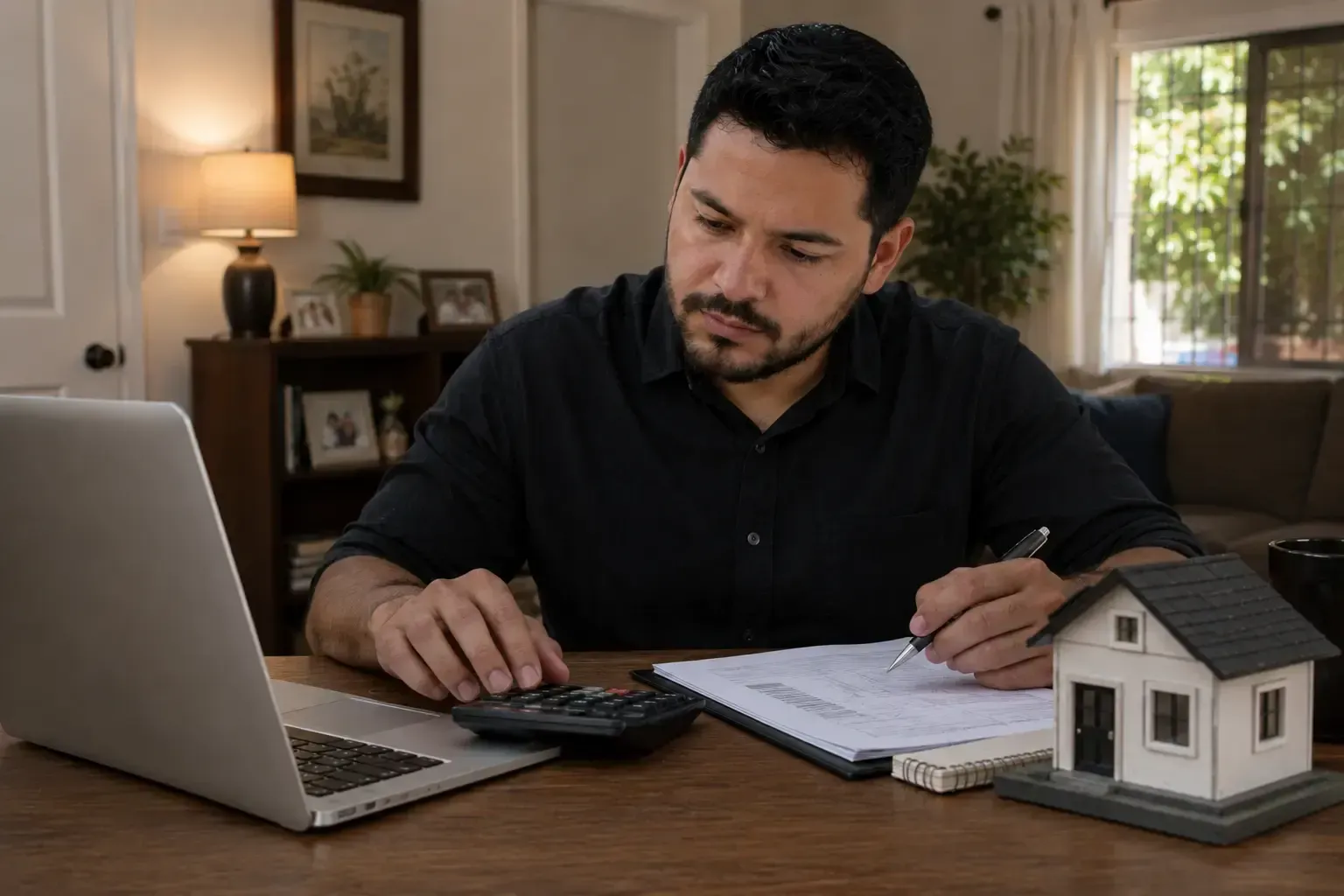
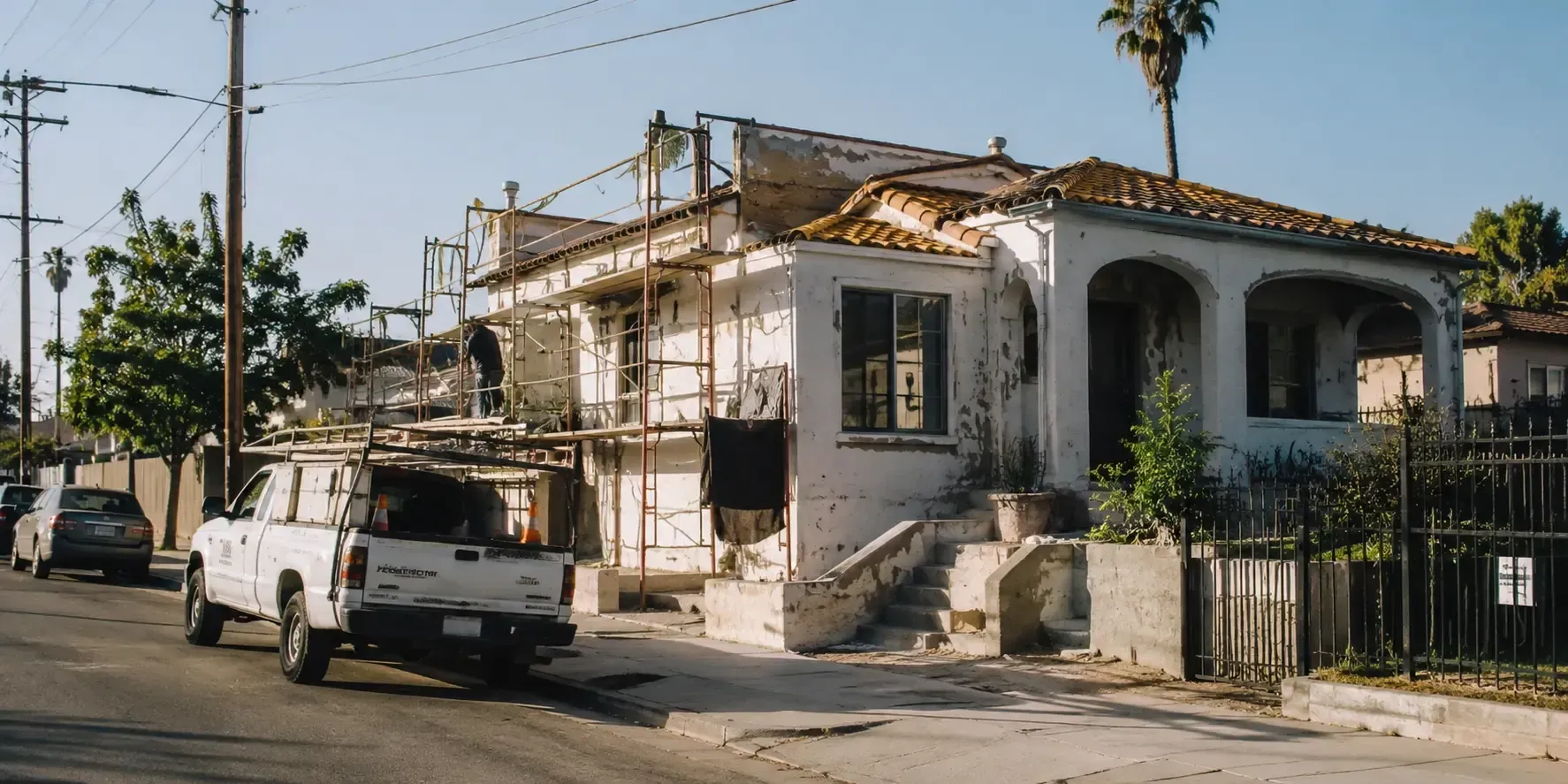
The deal of the decade just hit the MLS in City Terrace. It’s a distressed Spanish Colonial with good bones, sitting on a hill with a view of downtown. You know the numbers work. You know the renovation costs. But while you’re scrambling to get a conventional bank manager on the phone, a cash buyer has already submitted an offer. Game over.  This happens every day in the East Los Angeles real estate market. Speed isn't just a luxury here; it is the currency. If you are waiting 45 days for a traditional mortgage approval, you aren't investing; you're spectating.


This is where bridge loans shatter the bottleneck. For investors targeting the vibrant, high-velocity neighborhoods from Boyle Heights to the edges of Montebello, bridge financing provides the liquidity needed to secure properties immediately. It’s not about cutting corners. It’s about cutting the red tape that strangles profitability.

The Mechanics of Speed: What is a Real Estate Bridge Loan?

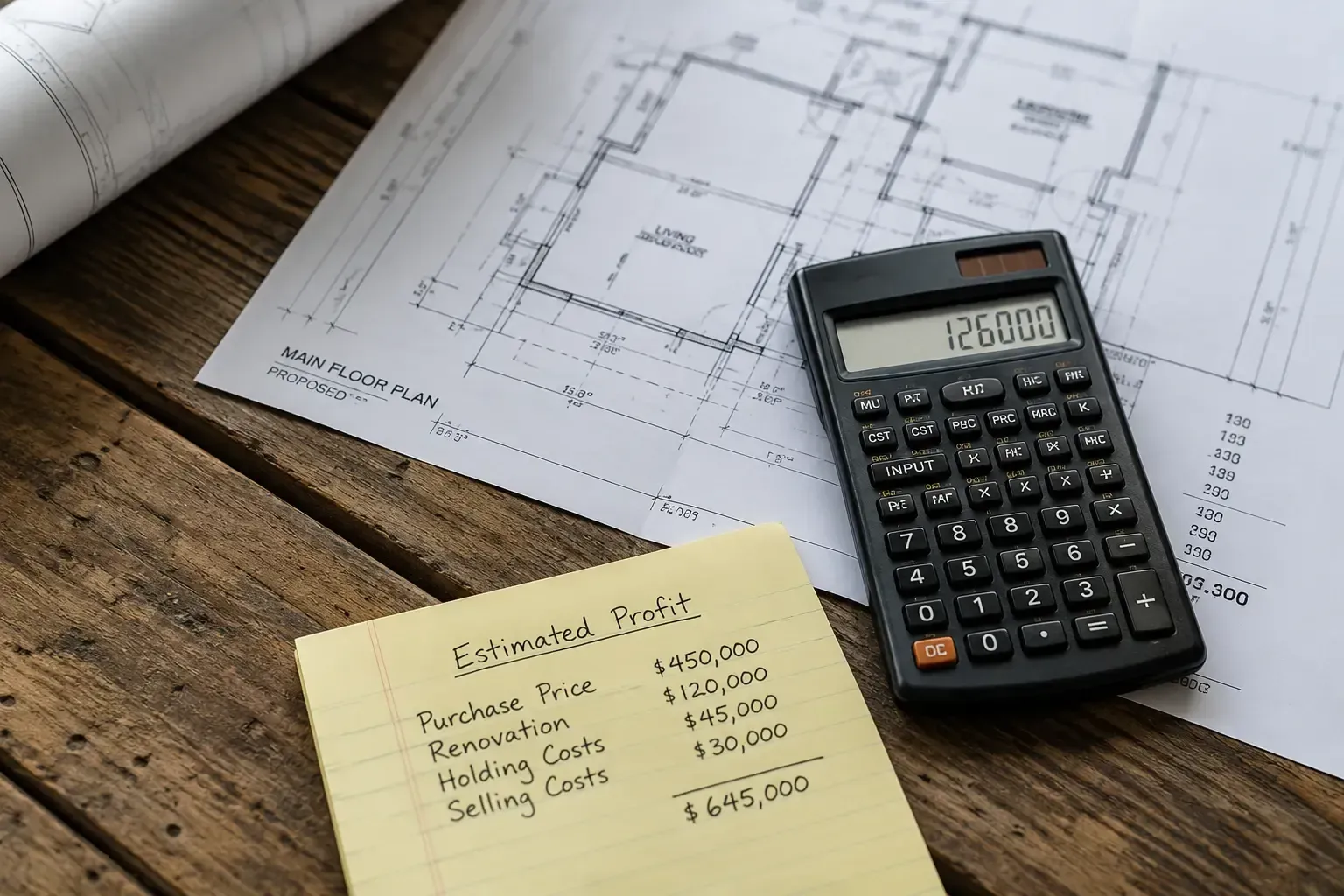
Think of a bridge loan as a financial pontoon. It gets you from point A (needing the property) to point B (securing permanent financing or selling the asset) without getting wet. Unlike a 30-year conventional mortgage that scrutinizes your personal debt-to-income ratio, a bridge loan focuses primarily on the asset itself. In the context of real estate investing, these are short-term loans—usually running six to twelve months—designed for acquisition and renovation. The interest rates are higher than a standard bank loan. That is the trade-off for speed. But savvy investors know that paying a few extra percentage points is irrelevant if the loan allows you to capture $50,000 to $100,000 in equity that you would have otherwise missed.


When you work with a specialized lender like GRO Los Angeles Hard Money Real Estate, the underwriting process is streamlined. We don't care about your tax returns from 2019. We care about the property's After Repair Value (ARV) and your plan to execute the flip.


Why East Los Angeles Demands Faster Capital

East LA is unique. It’s a dense, historic urban fabric where multi-generational homes sit next to newly renovated flips near the Gold Line. According to recent market data, the inventory in zip codes like 90022 and 90063 moves incredibly fast. The "days on market" metric here is often lower than the national average due to high demand for relatively affordable Los Angeles housing.

Investors face specific challenges here:


  • Age of Inventory: Many homes were built in the 1920s and 30s. They often fail traditional bank inspections due to electrical or plumbing issues. Bridge loans don't require the property to be pristine; they fund the fix.
  • Competition: You are competing against seasoned flippers and institutional buyers.
  • Zoning Nuances: Adding ADUs (Accessory Dwelling Units) is a massive value-add strategy in East LA. Bridge loans cover these construction costs.


If you are trying to buy a fixer-upper near Whittier Boulevard, a conventional lender will likely balk at the peeling paint or the unpermitted garage. A hard money lender sees potential revenue. That perspective shift is critical.


The GRO Los Angeles Advantage: Local Expertise Matters

Money is a commodity. You can get a loan from a faceless algorithm in New York, or you can partner with a lender who knows the difference between Maravilla and Belvedere. GRO Los Angeles Hard Money Real Estate operates with a distinct philosophy: we fund deals we believe in.


Local knowledge impacts the appraisal speed. We know that a property closer to the 710 freeway access or the Metro line holds value differently than one buried deep in a residential pocket with difficult parking. This granular understanding of the East Los Angeles real estate map allows for quicker decisions. While big banks send files to a committee, local lenders issue term sheets.


From Application to Closing: The Timeline

How fast is fast? In the traditional real estate world, "fast" is 30 days. In the bridge loan sector, we measure time in hours and days.

The process generally follows this trajectory: You identify a property. You submit the address, purchase price, and renovation budget. A lender like GRO analyzes the deal immediately. If the numbers make sense, a term sheet goes out the same day. Once accepted, title work begins. Funding can happen in as little as 5 to 7 days. Compare that to the bureaucratic slumber of a commercial bank.


This speed gives you leverage. When you make an offer on a property, checking the "cash or hard money" box tells the seller you are serious. It removes the financing contingency, which is the number one reason pending home sales fall through.


Mitigating Risk: When Not to Use a Bridge Loan

It would be irresponsible to paint bridge loans as a magic bullet for every scenario. They are a power tool. If mishandled, you can get hurt. These loans are not for owner-occupiers looking for a forever home; they are for investors executing a business plan. The risk lies in the exit strategy. Since the loan term is short, you must be confident in your ability to refinance or sell the property quickly. If the East LA market cools suddenly, or your contractor disappears mid-renovation, holding costs can erode profits. Successful investors always have a Plan B, such as refinancing into a DSCR (Debt Service Coverage Ratio) rental loan if the flip market stalls.


Understanding these financing dynamics is what separates amateurs from professionals. The cost of capital is simply a line item on the spreadsheet. If the profit margin is wide enough, the higher interest rate is negligible compared to the opportunity cost of losing the deal entirely.


The Future of East LA Investing

The trajectory for East Los Angeles remains upward. As downtown LA continues to develop, the ripple effect pushes value eastward. The demand for quality housing is insatiable. Investors who can modernize the aging housing stock while preserving the community's character will win.


To participate in this growth, you need agility. You need a partner who moves at the speed of the market. Bridge loans are not just about money; they are about timing. And in real estate, timing is everything.


Frequently Asked Questions

  • What is the typical interest rate for a bridge loan in California?

    Interest rates for bridge loans in California generally range from 9% to 12%, depending on the borrower's experience and the loan-to-value (LTV) ratio. While higher than conventional mortgage rates, the cost is offset by the speed of funding and the ability to secure distressed properties that traditional banks will not finance.


  • How quickly can GRO Los Angeles fund a real estate deal?

    GRO Los Angeles Hard Money Real Estate typically funds deals within 7 to 10 business days. In urgent scenarios where title work is clear, funding can occur even faster. This speed allows investors to compete directly with all-cash buyers in competitive markets like East Los Angeles.


  • Do bridge loans require a down payment?

    Yes. most lenders require the borrower to have "skin in the game." Typically, this means a down payment of 10% to 20% of the purchase price. However, many bridge loans cover 100% of the renovation costs, which helps preserve the investor's liquidity during the construction phase.


  • Can I use a bridge loan for an owner-occupied home?

    Generally, no. Bridge loans and hard money loans are primarily designed for investment properties (non-owner occupied). Regulations like TRID make it difficult to issue these types of high-interest, short-term loans for primary residences due to consumer protection laws.


  • What happens if I can't sell the property before the loan term ends?

    If the property hasn't sold, investors usually refinance into a long-term loan, such as a DSCR loan, or request a loan extension. Extensions are often granted if the borrower is in good standing and the project is nearing completion, though this may incur additional fees.


By John Constantine April 1, 2026
For homeowners in East Los Angeles, the transition from managing a primary residence to building an investment portfolio requires strategic financing. Traditional mortgages rely heavily on personal income, debt-to-income ratios, and extensive tax documentation. This creates a significant bottleneck for those looking to scale their property holdings quickly. Debt Service Coverage Ratio (DSCR) loans provide a highly practical alternative. By evaluating the cash flow potential of the investment property rather than the borrower's personal income, these loans allow ambitious homeowners to acquire new assets efficiently. Holding income-producing assets is a proven method for combating inflation and generating generational wealth. Partnering with GRO Los Angeles Hard Money Real Estate ensures you have the local expertise necessary to navigate this specialized financing landscape and secure the right capital for your acquisitions. 
By John Constantine March 24, 2026
East Los Angeles is sitting on a goldmine of underdeveloped dirt. Period. Look past the iconic arches of El Mercadito or the bustling stretch of Whittier Boulevard. What do you see? Pure opportunity. The real estate market here is shifting. Older properties with massive lots are begging for modernization. But cash is tight. Traditional banks move at a glacial pace. You need capital. Fast. That is exactly where specialized construction loans step in. 
By John Constantine March 21, 2026
East Los Angeles isn't for amateurs. The competition is brutal. Inventory is tight. Margins demand absolute precision. You either move fast, or you get left behind holding a pre-approval letter from a bank that doesn't understand the assignment. Real estate investing in this specific pocket of Southern California requires grit. It also requires the right capital. Investors targeting neighborhoods like Boyle Heights, Lincoln Heights, or El Sereno know exactly what they are up against. A dilapidated duplex hits the market. Within 48 hours, it has ten cash offers. How do you compete if you aren't sitting on a mountain of liquid cash? You deploy the exact same financial weapons the heavy hitters use. Fix and flip loans. 
By John Constantine March 18, 2026
East Los Angeles doesn't wait for slow banks. You spot a distressed multi-family property near City Terrace. The numbers make sense. The After Repair Value is solid. But traditional lenders want 45 days to close. That is a deal-killer. In the hyper-competitive local real estate market, speed isn't just an advantage. It is the entire game. Drive down Whittier Boulevard or through the winding streets of El Sereno. You will see it firsthand. Real estate investors are aggressively competing for limited inventory. According to recent data from the California Association of Realtors , Southern California housing inventory remains historically tight. When a good deal pops up, cash buyers and experienced flippers pounce. If your capital is tied up in another project, you miss out. Period. 
By John Constantine March 9, 2026
Your House Is a Bank Vault. Open It. Your house is sitting on a goldmine. Literally. Property values across East Los Angeles have skyrocketed over the last decade, transforming everyday homeowners into paper millionaires. But paper wealth is completely useless. It does not fund your next business venture. It will not cover emergency property renovations. It certainly does not buy your next investment property. To get actual cash, you have to extract that equity. Let me show you exactly how the professionals do it.  The real estate market in East LA is fiercely competitive. From the historic commercial stretches of Whittier Boulevard to the quiet residential pockets around Belvedere Park, long-term owners are holding massive amounts of equity. Amateurs stare at their estimated home values online and do nothing. Professionals pull that capital out and put it to work. You essentially have three primary paths to extract this cash. A standard bank refinance, a Home Equity Line of Credit (HELOC), or a hard money refinance. One of these options is vastly superior for serious investors.
By John Constantine February 21, 2026
You’re sitting in traffic on the I-5 or staring at a seven-figure price tag for a fixer-upper in East Los Angeles, and the math just doesn't add up. The cap rates are compressed. The margins are razor-thin. This is why the smart money isn't staying put. It’s moving. Specifically, it is flowing toward the Gulf Coast of Florida. Bradenton isn't just a retirement waiting room anymore. It is a high-velocity rental market fueled by migration, tourism, and a massive shift in how people view the Florida lifestyle. But finding the deal is only half the battle. Funding it is where the amateurs get separated from the pros. If you are still walking into a big box bank asking for a conventional mortgage with your tax returns in hand, you’ve already lost time. And in real estate, time kills deals. Here is the reality of securing rental property loans in Bradenton, FL, and why investors—even those watching from the West Coast—are turning to specialized financing to scale their portfolios. 
By John Constantine February 11, 2026
You can’t fake it in East Los Angeles. Drive down Whittier Boulevard or cruise past the bustle of the Golden Gate Theater, and you see a market that is raw, resilient, and rapidly appreciating. For developers, this isn't just another zip code. It’s a battlefield of opportunity. But finding the right financing here? That’s where most projects die on the vine. Traditional banks don’t get it. They see an older property near the 710 freeway and get nervous. They bury you in paperwork while your option period expires. You need speed. You need a partner who understands that real estate in East LA is about vision, not just checkboxes.  If you are looking to break ground in this historic pocket of Los Angeles County, you need construction financing that moves as fast as the market.
By John Constantine February 3, 2026
The bank just killed your deal. Again. You spent three weeks courting a loan officer, submitted two years of tax returns, and provided a stack of bank statements thick enough to stop a bullet. Then the email arrived. The property’s condition is "unsatisfactory." Or perhaps your debt-to-income ratio is off by a fraction of a percentage. Whatever the excuse, the result is the same: you lost the property to a cash buyer who closed in seven days. This is the reality of the modern real estate market. If you rely on traditional institutions, you are fighting with one hand tied behind your back.  To win, you have to stop thinking like a consumer and start thinking like a predator. Real estate investing is a game of speed, certainty, and specialized capital. Traditional lenders are built for stability, not profit. They want 30-year commitments from people with W-2 jobs and perfect credit. They don't understand the value of a fire-damaged triplex in Silver Lake or a mid-century fixer-upper in the Valley. That is where a hard money loan becomes your most potent weapon. It isn't just a loan; it is a strategic tool designed to bypass the bureaucratic red tape that strangles most investors.
By John Constantine January 28, 2026
Rain keeps the amateurs away. While the average investor is hibernating, waiting for the spring bloom, the sharks are swimming. Winter in Los Angeles—specifically in the gritty, high-demand pockets of East LA like zip code 90022—is not a time to retreat. It is the season to acquire. The market slows down. That is a fact. But price softening in Q4 and Q1 creates a buying window that vanishes by April. The problem? Most financing dries up just as the deals surface. Traditional banks act like bears in winter. They sleep. Their underwriting processes grind to a halt due to holiday schedules and end-of-year book balancing. If you are relying on a conventional mortgage to snag a duplex near Whittier Boulevard, you will lose. You need speed. You need a rental property loan designed for agility, not bureaucracy.
By John Constantine January 27, 2026
Interest rates don't hibernate. Neither should your capital. While the rest of the country freezes over, the Phoenix real estate market enters its most deceptive phase: the winter lull. It looks quiet. It feels slow. But for the savvy investor or homeowner, this is exactly when the real money moves. Most people wait for spring. They wait for the "perfect" rate drop. They wait until the market is flooded with competition. Don't be most people. If you are sitting on equity in the Valley of the Sun, you have options right now that can reposition your portfolio for a massive 2025. Whether you are looking to pull cash out for renovations, consolidate high-interest debt, or bridge the gap to your next investment, the winter window is open. From our headquarters in East Los Angeles, looking specifically at the Southwest expansion, we see the data clearly. Phoenix is ripe.